
In May 2025, Robert Francis Prevost was installed as Pope Leo XIV. This change followed the passing of Pope Francis in April of the same year. The new Pope thus assumed a special responsibility in a world seeking peace and reconciliation. His first months in office were marked by efforts to build bridges between different cultures and denominations. He paid particular attention to the African continent, where he visited several countries already in the first year of his pontificate.
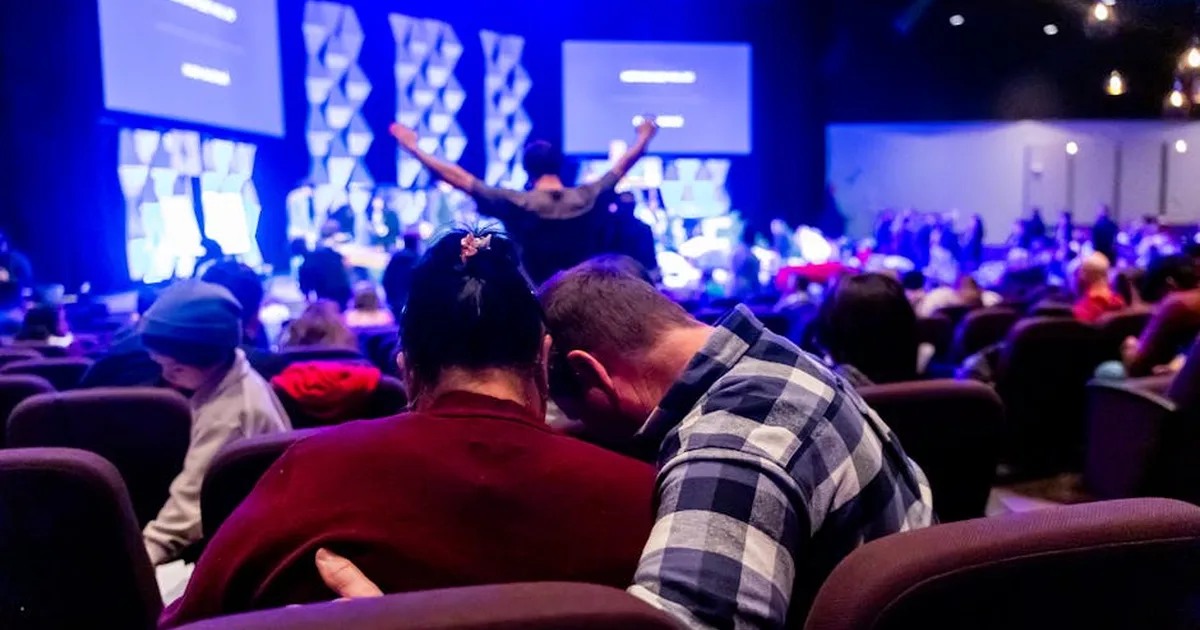
Pope Leo XIV's travels follow in the tradition of his predecessors, who always sought dialogue between peoples and religions. He emphasizes the shared responsibility of all Christians for peace and justice. His approach is characterized by pastoral care and the desire to encourage people in difficult situations. This attitude corresponds to the ecumenical spirit that also shapes our platform EncuentraIglesias.com.
The Biblical Foundation of Peace
Holy Scripture offers numerous impulses for peaceful coexistence. In Matthew's Gospel we find the Beatitudes, which remain guiding principles today. Jesus Christ himself says:
"Blessed are the peacemakers, for they will be called children of God." (Matthew 5:9 NIV)These words form an important foundation for Christian action in conflict-ridden times. They remind us that peacemaking is not only a political but above all a spiritual task.
The prophet Isaiah describes a vision of peace that continues to inspire Christians today:
"The wolf will live with the lamb, the leopard will lie down with the goat, the calf and the lion and the yearling together; and a little child will lead them." (Isaiah 11:6 NIV)This prophetic vision shows that true peace means more than just the absence of war. It involves profound reconciliation that overcomes even natural enmities. Such biblical images can help us develop concrete steps toward peace in our time.
Peace as an Active Process
Peacebuilding requires active engagement and persistent effort. The apostle Paul exhorts the Romans:
"If it is possible, as far as it depends on you, live at peace with everyone." (Romans 12:18 NIV)This exhortation makes clear that peacemaking doesn't happen passively but requires our active participation. Every Christian is called to seek and preserve peace in their personal environment.
Many churches already have initiatives that promote reconciliation and dialogue. These can take various forms:
- Prayer groups for peace in conflict regions
- Interreligious encounters and conversations
- Practical aid projects in crisis areas
- Educational work on nonviolent conflict resolution
Challenges and Signs of Hope
In various regions of the world, including parts of Africa, violent conflicts persist. These often directly affect Christian communities and demand special steadfastness from them. In such situations, it becomes clear how important it is to hold fast to faith while working for reconciliation. Pope Leo XIV's visits to conflict regions aim to convey precisely this dual message: comfort for those suffering and encouragement for peace.
Yet there are also many positive developments that give hope. In numerous churches, Christians of different denominations engage together in peace projects. Ecumenical initiatives show that the search for peace unites Christians across denominational differences. This joint witness has special power in a fragmented world.
Our Responsibility as Communities
The call to be peacemakers isn't limited to religious leaders. Every Christian community is invited to reflect on how it can contribute to peace in its local context. This begins with reconciliation within the community itself and extends to the wider social environment. Small gestures of understanding and dialogue can have a multiplying effect.
At EncuentraIglesias.com, we believe every community has a unique role to play in building God's Kingdom, where justice and peace embrace. By following the example of leaders like Pope Leo XIV and, above all, the teachings of Jesus Christ, we can become instruments of reconciliation in our time.


Comments