
In the beautiful tapestry of the Christian faith, we sometimes find ourselves separated by geography, culture, or tradition. Yet the heart of our calling remains the same: to love God and love our neighbors as ourselves. When churches from different regions come together in partnership, they embody the scriptural truth that we are all members of one body. This unity across distances reflects the prayer of Jesus that his followers would be one, just as he and the Father are one.
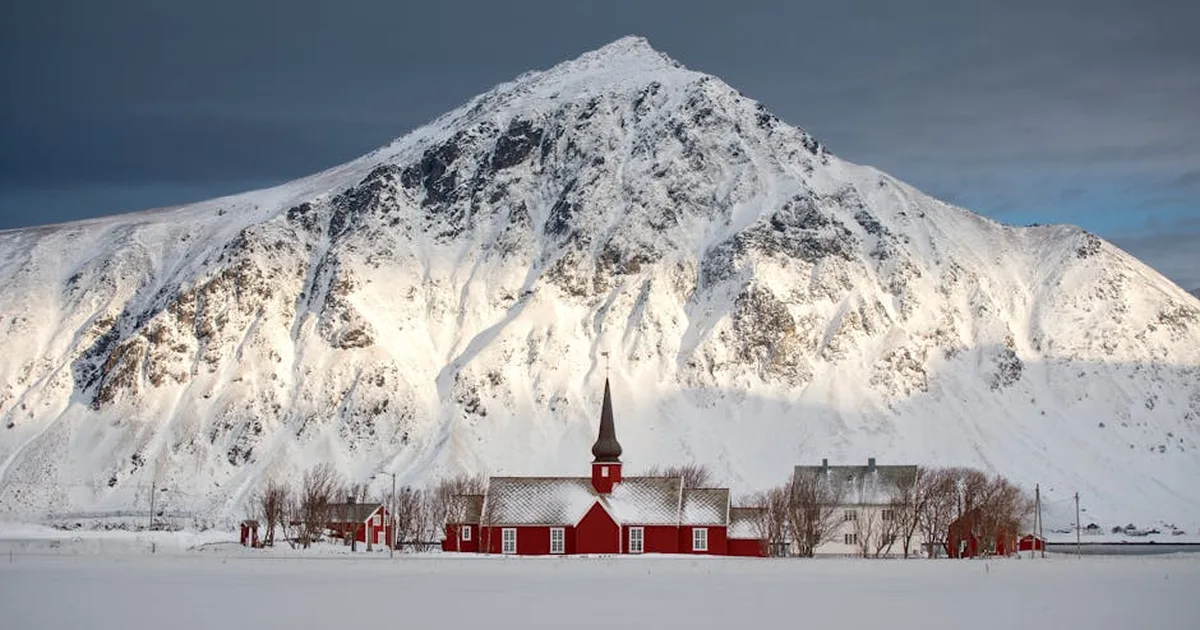
Recently, we've witnessed inspiring examples of southern congregations reaching out to support ministry in northern regions. These partnerships aren't about one group having all the answers, but rather about mutual learning and shared growth. They remind us that every community has unique gifts to offer and unique challenges to face. When we come together across geographical divides, we enrich one another's understanding of what it means to live out the gospel in different contexts.
Such collaborations echo the early church's practice of supporting one another across regions. The Apostle Paul frequently wrote about the collection for the church in Jerusalem, demonstrating how different Christian communities could support one another materially and spiritually. These connections weren't just practical arrangements—they were expressions of the unity we have in Christ that transcends any human boundary.
"There is neither Jew nor Gentile, neither slave nor free, nor is there male and female, for you are all one in Christ Jesus." (Galatians 3:28, NIV)
The Gift of Mutual Learning
When churches from different regions connect, something beautiful happens: everyone learns. Southern congregations often bring resources, experience, and fresh perspectives to northern ministries. Meanwhile, northern communities offer profound insights about faithfulness in challenging environments, resilience in the face of isolation, and creative approaches to ministry with limited resources. This exchange isn't a one-way street but a reciprocal relationship where both parties grow.
Consider how these partnerships often reveal different aspects of God's character. In urban southern churches, we might see God's provision through abundance and community. In remote northern ministries, we might witness God's faithfulness through perseverance and simplicity. Both are true pictures of our Lord, and when we share these experiences, our understanding of God expands. We begin to see that the body of Christ is far more diverse and beautiful than our local experience might suggest.
These connections also help break down stereotypes and assumptions. Southern Christians might discover that northern ministries aren't "needy" in the way they imagined, but rather resourceful and innovative. Northern Christians might find that southern churches aren't just about programs and numbers, but about deep relationships and spiritual formation. Through genuine relationship, we move beyond caricatures to see one another as brothers and sisters in Christ.
Practical Expressions of Partnership
What does this kind of partnership look like in practice? Sometimes it involves clergy exchanges, where pastors spend time ministering in each other's contexts. Other times it includes musicians sharing their gifts across regions, bringing different worship styles and traditions. Often it involves simple acts of presence—being with one another, listening to one another's stories, and praying together.
These practical expressions matter because faith isn't just about ideas—it's about lived experience. When a southern choir sings in a northern chapel, they're not just performing music; they're embodying the unity of Christ's church. When a northern pastor shares wisdom with southern congregations, they're not just giving advice; they're demonstrating that God speaks through all parts of his body. These tangible connections make our spiritual unity visible and real.
Such partnerships also create space for unexpected blessings. Southern churches might rediscover the beauty of simplicity through their northern partners. Northern ministries might gain new tools for outreach through their southern connections. Most importantly, everyone involved remembers that they're part of something bigger than their local congregation—they're part of the global body of Christ that spans continents, cultures, and climates.
Biblical Foundations for Cross-Regional Ministry
The Bible offers rich examples of God's people supporting one another across geographical boundaries. In the Old Testament, we see tribes helping one another, even when they were separated by significant distance. In the New Testament, the early church maintained connections between Jerusalem, Antioch, Corinth, Rome, and beyond. These weren't casual relationships but intentional partnerships rooted in their shared identity in Christ.
Paul's missionary journeys demonstrate this principle beautifully. He didn't just plant churches and move on; he maintained connections, sent representatives, wrote letters, and collected offerings for churches in need. These actions created a web of relationships that sustained the early church through persecution and growth. They showed that Christian community isn't limited by geography but is sustained by the Holy Spirit who connects all believers.
Jesus himself modeled crossing boundaries to minister to others. He traveled from region to region, engaging with Samaritans, Gentiles, and Jews from different areas. His ministry wasn't confined to one location but reached across cultural and geographical divides. As his followers, we're called to similar openness—to see beyond our immediate context and recognize our connection to Christians everywhere.
"And let us consider how we may spur one another on toward love and good deeds, not giving up meeting together, as some are in the habit of doing, but encouraging one another—and all the more as you see the Day approaching." (Hebrews 10:24-25, NIV)
The Role of Leadership in Fostering Connections
Church leaders play a crucial role in fostering these cross-regional connections. When pastors, priests, and ministers prioritize relationships with other Christian communities, they set an example for their congregations. They demonstrate that our faith isn't parochial but universal, not limited by location but expansive in its embrace.
Good leadership in this area involves humility and curiosity. It means approaching other Christian communities not as experts with all the answers, but as learners eager to understand how God is at work in different places. It involves listening more than speaking, asking questions more than giving advice, and recognizing that every community has wisdom to share.
This leadership also requires persistence. Building genuine relationships takes time, especially across geographical distance. It means following through on commitments, maintaining communication even when it's challenging, and showing up consistently. Through such faithful leadership, churches can build partnerships that last for years and bear fruit for generations.
Challenges and Blessings of Northern Ministry
Ministry in northern regions often faces unique challenges that southern Christians might not immediately understand. Geographic isolation can mean that pastors serve multiple communities spread across vast distances. Harsh climates can affect everything from church attendance to building maintenance. Smaller populations might mean fewer resources and volunteers for ministry programs.
Yet these challenges often give rise to remarkable blessings. Northern ministries frequently develop deep resilience and creativity. When resources are limited, communities learn to rely more fully on God and one another. When distances are great, they discover new ways to maintain connection. These ministries remind us that God's strength is made perfect in weakness, and that the church often grows most beautifully in difficult soil.
Southern churches partnering with northern ministries have the privilege of witnessing this faithfulness firsthand. They see how God provides in unexpected ways, how small congregations can have outsized impact, and how the gospel takes root in particular cultural contexts. These observations can then enrich their own ministry back home, as they bring lessons about simplicity, resilience, and community back to their southern contexts.
Practical Application: Building Your Own Bridges
As you reflect on these stories of cross-regional partnership, consider how you might build bridges in your own Christian journey. You don't need to organize a major exchange program to start—small steps can make a meaningful difference. Perhaps you could pray regularly for Christians in a different region. Maybe your Bible study could learn about ministry challenges in other parts of the country. You might even explore how your church could develop a relationship with a congregation in a different geographical context.
Remember that building bridges starts with curiosity and humility. Approach other Christian communities with questions rather than assumptions. Listen to their stories before offering solutions. Recognize that every community has both gifts to share and needs to express. Through such openness, we participate in the beautiful work of knitting together Christ's body across all boundaries.
Finally, let these stories remind you of our shared hope. As Pope León XIV has emphasized in his early ministry, we are called to be a church that goes out, that reaches across divides, that builds bridges rather than walls. Whether we serve in north or south, city or country, we share one Lord, one faith, one baptism. May we continually seek ways to make that unity visible in our relationships, our partnerships, and our shared ministry.
Reflection Question: What is one practical step you could take this month to build a connection with Christians in a different geographical context? How might this enrich your understanding of God's work in the world?




Comments