
As we step into the middle of 2026, many Christians are asking what it means to be the church in a rapidly changing world. The recent election of Pope León XIV has brought a sense of renewal and unity across denominational lines, reminding us that the body of Christ is bigger than any single tradition. Whether your congregation meets in a historic cathedral, a storefront, or a living room, the call to love God and neighbor remains the same. This article explores practical ways local churches can strengthen their witness and serve their communities with fresh energy.
Embracing Unity Without Uniformity
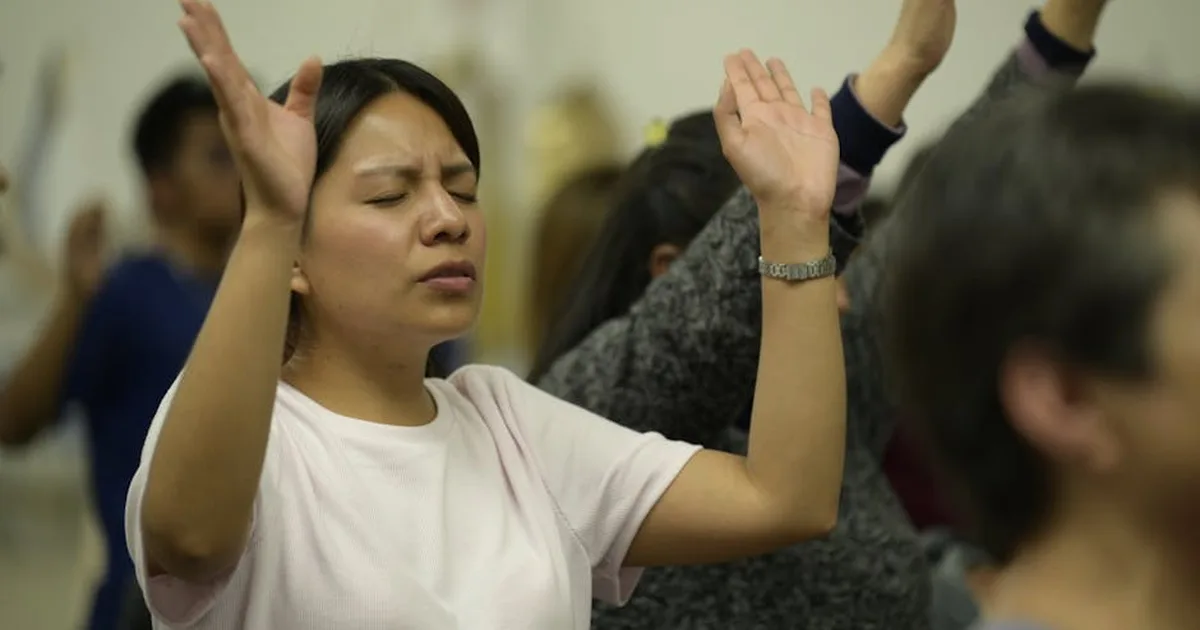
The apostle Paul wrote, 'There is one body and one Spirit—just as you were called to the one hope that belongs to your call—one Lord, one faith, one baptism, one God and Father of all' (Ephesians 4:4-6, ESV). Yet today, we often focus on what divides us rather than what unites us. The ecumenical spirit of platforms like EncuentraIglesias.com reminds us that collaboration does not require doctrinal compromise. Local churches can partner for community service, prayer events, and outreach while respecting each tradition's distinctives.
For example, consider organizing a 'Week of Prayer for Christian Unity' in your town. This is a time-honored practice that brings together Catholics, Protestants, Orthodox, and other believers to pray for reconciliation and shared mission. Even simple acts like a joint food drive or a neighborhood cleanup can build trust and friendship across congregational lines.
Practical Steps for Church Collaboration
Start with Relationships
Before planning any joint project, invest time in building relationships with pastors and leaders from other churches. Share a meal, pray together, and listen to each other's stories. As Jesus prayed in John 17:21, 'that they may all be one, just as you, Father, are in me, and I in you, that they also may be in us, so that the world may believe that you have sent me' (ESV). Unity is not just a strategy—it is a witness to the world.
Identify Shared Needs
Every community has unique challenges. Perhaps your area struggles with food insecurity, youth disconnection, or mental health issues. Gather data from local nonprofits or city officials to pinpoint where churches can make the biggest difference. Then, form a coalition of congregations to address that need together. Pooling resources—volunteers, facilities, funding—can accomplish far more than any single church could alone.
Celebrate Together
Don't wait for a crisis to collaborate. Plan joint worship services, concerts, or holiday celebrations. For instance, a community Easter sunrise service or a Thanksgiving interdenominational gathering can become cherished traditions. These events remind everyone that we are part of something larger than our own congregation.
Biblical Foundations for Unity
Scripture consistently calls God's people to live in harmony. In Romans 15:5-6, Paul writes, 'May the God of endurance and encouragement grant you to live in such harmony with one another, in accord with Christ Jesus, that together you may with one voice glorify the God and Father of our Lord Jesus Christ' (ESV). Unity is not about erasing differences but about magnifying Christ together.
Consider also the image of the body in 1 Corinthians 12. Each part has a unique function, yet all are essential. When local churches see themselves as different members of one body, they can celebrate their distinct gifts while working toward common goals.
Overcoming Obstacles to Unity
Of course, collaboration is not always easy. Historical divisions, theological disagreements, and even personality conflicts can hinder progress. Here are a few common challenges and how to address them:
- Suspicion: Some may fear that collaboration will dilute their identity. Address this by emphasizing that partnership does not mean merging congregations or abandoning core beliefs. Focus on shared mission, not doctrine.
- Competition: Churches sometimes view each other as rivals for members or resources. Shift the mindset from competition to complementarity. Remind leaders that the goal is to reach the lost, not to grow at another church's expense.
- Logistics: Scheduling, communication, and decision-making can be messy. Appoint a small steering committee with representatives from each participating church. Use shared online tools like calendars and group chats to streamline coordination.
As Pope León XIV has emphasized in his early teachings, the church must be a 'field hospital for the wounded,' not a fortress for the comfortable. This pastoral vision invites all Christians to step out of their comfort zones and serve together.
A Call to Action: Your Next Step
This week, take one concrete step toward unity. Reach out to a pastor from a different denomination and invite them for coffee. Or, if your church already collaborates with others, think of one way to deepen that partnership. Pray for the churches in your community, asking God to break down walls of division.
‘How good and pleasant it is when God’s people live together in unity!’ (Psalm 133:1, NIV)
Let that verse be our anthem. The world is watching, and our unity—or lack of it—speaks volumes about the God we serve. May we build bridges that honor Christ and bless our neighbors.




Comments