
In a time when world events and public debates often polarize, Christian communities face the special task of preserving unity and neighborly love. Recent developments in international dialogue have shown how quickly different positions can lead to deep divisions. As believers, we are called to look beyond political differences and find our common ground in faith in Jesus Christ. The Bible reminds us: "All the believers were one in heart and mind" (Acts 4:32, NIV). This unity is tested especially when external circumstances threaten to divide us.
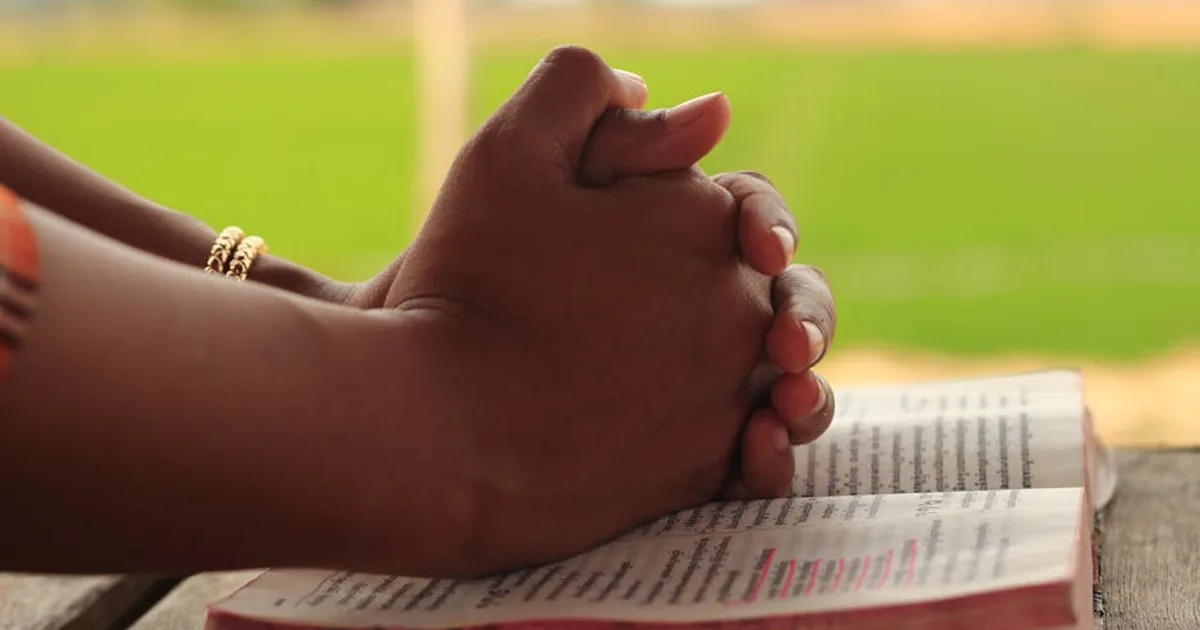
Throughout the centuries, the Christian community has repeatedly experienced political upheavals and social changes. From the first communities in the Roman Empire to today's globalized world, believers have faced the challenge of living their faith in various political contexts. Church history shows that true unity lies not in agreement on all worldly matters, but in common orientation toward Christ. The apostle Paul writes to the community in Ephesus: "Make every effort to keep the unity of the Spirit through the bond of peace" (Ephesians 4:3, NIV).
The Role of Church Leadership in Difficult Times
Since the election of Pope León XIV in May 2025, the Catholic Church has been in a phase of continuity and renewal. Following the late Pope Francis, who led the Church until his death on April 21, 2025, Pope León XIV assumed the Petrine ministry in a time of global challenges. The transition of papal ministry is always a moment of reflection for all Christendom—an opportunity to consider the enduring values of faith that transcend individual persons.
Church leaders bear special responsibility for building bridges and promoting reconciliation. In the Bible we find numerous examples of leaders who pointed to paths of peace in times of conflict. The prophet Isaiah proclaimed: "They will beat their swords into plowshares and their spears into pruning hooks. Nation will not take up sword against nation, nor will they train for war anymore" (Isaiah 2:4, NIV). This prophetic vision remains both a challenge and a promise for all who serve in church leadership roles.
Historical Perspectives on Church Leadership
Church history shows that times of transition and change often provide opportunities to reflect on essential matters of faith. From the early councils that clarified fundamental questions of faith to modern ecumenical efforts, the search for unity has always been a central concern. This is not about uniformity, but about recognizing diversity within the one Church of Christ. Different Christian traditions enrich the common witness when they respect each other and learn from one another.
Practical Ways to Preserve Community
How can communities concretely contribute to promoting unity and overcoming divisions? A first step is consciously cultivating common prayer. When Christians of different political convictions pray together, they remember that they are siblings before God. Jesus' prayer for his disciples remains guiding: "My prayer is not for them alone. I pray also for those who will believe in me through their message, that all of them may be one" (John 17:20-21, NIV).
Another important aspect is respectful dialogue. In community events, small groups, and personal conversations, spaces can be created where different perspectives can be expressed with love and attentive listening. The practice of dialogue seeks not to win arguments, but to understand the other and recognize their dignity as children of God. The apostle James exhorts us: "Everyone should be quick to listen, slow to speak and slow to become angry" (James 1:19, NIV).
Communities can also foster unity through joint service. When Christians from different backgrounds work together on community service projects—feeding the hungry, visiting the sick, or supporting the marginalized—they experience unity in action. This practical service transcends political differences and embodies Christ's love in the world. As Paul wrote to the Galatians: "There is neither Jew nor Gentile, neither slave nor free, nor is there male and female, for you are all one in Christ Jesus" (Galatians 3:28, NIV).
Finally, it is essential to remember that our primary identity is in Christ, not in temporary political affiliations. Amid heated debates and social divisions, the church is called to be a sign of reconciliation and hope. By keeping our eyes fixed on Jesus, the author and perfecter of our faith, we can navigate turbulent times with grace and purpose, building bridges where others see only divisions.




Comments