
In a time of social transformation and demographic change, Christian communities are asking about their role in the social fabric. Discussions about intergenerational justice and social security systems touch on fundamental values rooted in Christian faith. Even in the early church, there were clear structures for caring for widows, orphans, and those in need, as documented in the Book of Acts. This tradition of social responsibility continues to the present day and finds expression in various church institutions.
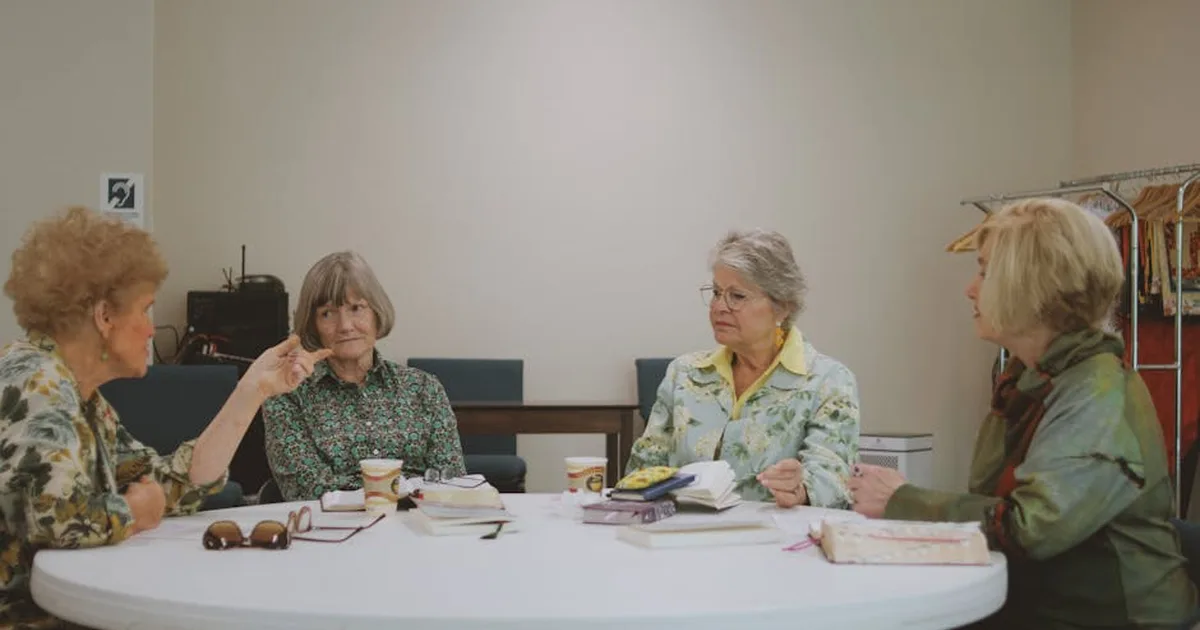
The current debate about pensions and social security systems invites reflection on core Christian values. Solidarity between generations, justice, and the dignity of every person – regardless of age or life achievements – are central concerns of the Gospel. In this context, it's worthwhile to bring biblical principles into conversation with contemporary social challenges.
The apostle Paul writes in his letter to the Galatians:
"Let us not become weary in doing good, for at the proper time we will reap a harvest if we do not give up." (Galatians 6:9 NIV)This verse reminds us that Christian action requires perseverance and long-term commitment – values that are also relevant for cohesion between generations.
Biblical Foundations for Intergenerational Solidarity
The Bible offers numerous insights for relationships between generations. In the Old Testament, we find clear instructions about caring for parents in old age, as in the book of Exodus:
"Honor your father and your mother, so that you may live long in the land the Lord your God is giving you." (Exodus 20:12 NIV)This command goes beyond individual family relationships and points to a fundamental attitude of appreciation toward the older generation.
In the New Testament, this attitude is further developed through the example of the early church. Acts describes how the first Christian community shared their possessions and cared for those in need. This practice of mutual support wasn't limited to blood relationships but encompassed the entire faith community. It shows how Christian solidarity can take institutional forms that extend beyond family bonds.
The first letter to Timothy contains specific instructions about caring for widows, which can be considered an early example of church social work. These texts make clear that caring for the weaker and older members isn't a secondary concern but an essential part of Christian community practice. They offer guidance points for today's discussions about social security systems.
The Church's Role in Social Questions
Historically, Christian communities and religious orders have repeatedly produced social innovations – from hospitals to schools to retirement homes. This tradition shows that faith and social responsibility are inseparably connected. Today, many communities continue this tradition through concrete projects: visitation services for seniors, intergenerational meeting spaces, or help navigating bureaucratic challenges.
Pope Francis emphasized during his papacy the importance of solidarity with society's most vulnerable. His successor, Pope León XIV, continues this line and reminds us in his addresses of Christian responsibility for the common good. Both point to the social implications of the Gospel without falling into political partisanship.
This ecclesial perspective can contribute to enriching social debates with a vision that values both justice and compassion. Churches have the opportunity to be spaces where different generations meet, listen to each other, and support one another. In a world where individualism often prevails, Christian communities can witness to an alternative way of living together based on love of neighbor.
Current demographic challenges require creative and committed responses. Churches, with their long tradition of service and foundation in Gospel values, are called to contribute to building a more just and intergenerationally solidary society. It's not just about assistance programs but about cultivating authentic relationships that recognize the dignity of every person at all stages of life.




Comments