
In a world marked by tensions and disagreements, news about nations sitting down to talk always brings a breath of hope. Recently, European countries have shown interest in opening negotiation channels to resolve complex issues affecting important maritime routes. This movement reminds us of a fundamental principle of Christian faith: the value of dialogue and the pursuit of peace.
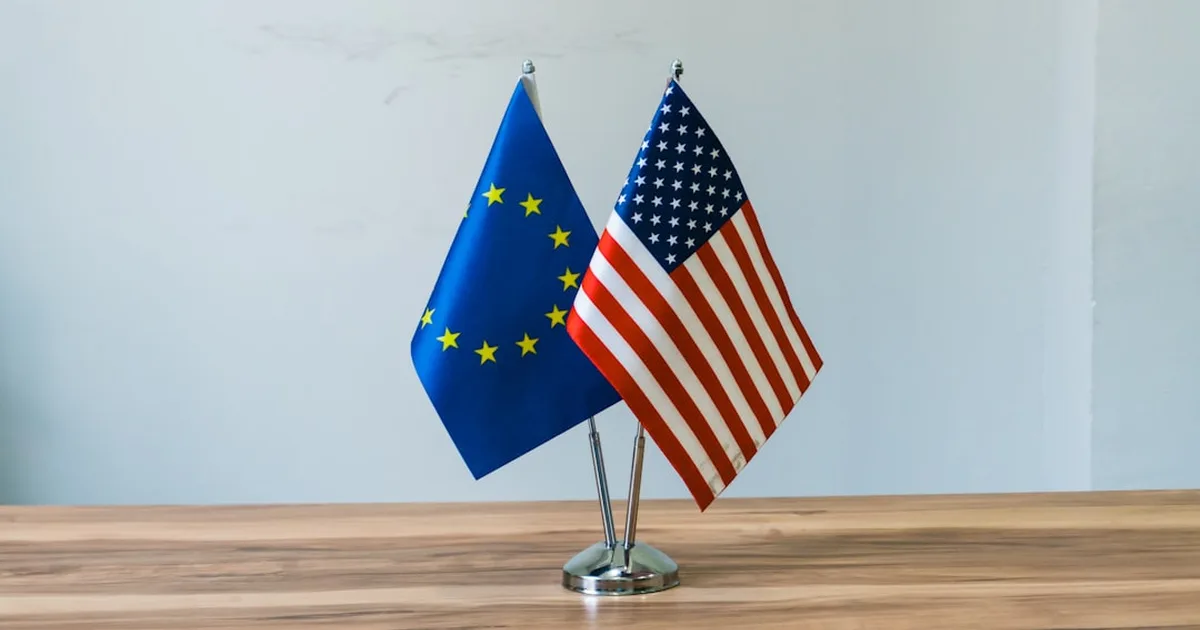
As a community of faith, we are called to observe these events not only with political interest, but with spiritual eyes. Every attempt to build bridges between nations reflects, even if imperfectly, the human longing for reconciliation that God planted in our hearts.
The Biblical Call to Peacemakers
God's Word clearly guides us about our posture amid conflicts. Jesus declared in the Sermon on the Mount:
"Blessed are the peacemakers, for they will be called children of God." (Matthew 5:9, NIV)This beatitude doesn't apply only to personal conflicts, but also to our prayers and attitudes toward international tensions.
The apostle Paul exhorts us:
"If it is possible, as far as it depends on you, live at peace with everyone." (Romans 12:18, NIV)This principle can be extended to our intercessions for nations and their leaders, that they might seek peaceful solutions even in complex situations.
Lessons from Church History
Throughout the centuries, the Church has played significant roles in mediation and peace promotion. From monks who preserved dialogue during barbarian invasions to religious leaders who facilitated conversations in modern conflicts, Christian testimony shows that faith can be a reconciling force.
In our time, Pope León XIV, following in the footsteps of his predecessor Francis, has emphasized the importance of dialogue between nations and cultures. His pastoral leadership reminds us that even in complex matters of international politics, Gospel values – respect, dialogue, and pursuit of the common good – remain relevant.
How We Can Respond as a Faith Community
Faced with news about international tensions, we as Christians have several ways to respond:
- Intercessory prayer: Pray for leaders of involved nations, that they may have wisdom and seek peaceful solutions
- Education: Properly inform ourselves about situations, avoiding simplistic polarizations
- Dialogue promotion: Foster respectful conversations in our communities about global challenges
- Practical action: Support Christian organizations working for peace and reconciliation
The Role of Christian Hope
Amid news that may seem discouraging, we maintain our hope grounded not in human ability, but in God. The prophet Jeremiah reminds us:
"For I know the plans I have for you," declares the Lord, "plans to prosper you and not to harm you, plans to give you hope and a future." (Jeremiah 29:11, NIV)
This hope is not passive, but active – it motivates us to be peace agents in our circle of influence, trusting that God works through both extraordinary and ordinary means to fulfill His purposes.
Practical Reflection: Building Bridges in Our Communities
As we observe nations seeking pathways of dialogue, we might ask ourselves: how are we building bridges in our own communities? International peace begins with peace in our hearts, families, and churches.
This week, I propose a practical exercise: identify a relationship in your life where there is tension or distance. Pray for wisdom and courage to take the first step toward reconciliation. It might be a simple act of kindness, an invitation to talk, or an expression of forgiveness. As the apostle Paul teaches: "Make every effort to live in peace with everyone" (Hebrews 12:14, NIV).
The peace we long to see in the world begins in our own hearts and extends through our daily actions. Every gesture of reconciliation, however small it may seem, contributes to the great fabric of peace that God desires for His creation.


Comments