
In a special moment for the Church in Brazil, bishops from across the country are gathering at the National Shrine of Aparecida for a time of communion, prayer, and reflection. This meeting, which was postponed last year following the passing of Pope Francis, now takes place under the blessing of the new Pontiff, León XIV, bringing with it a renewed sense of mission and unity. As the apostle Paul reminds us: "There are different kinds of gifts, but the same Spirit distributes them" (1 Corinthians 12:4, NIV).
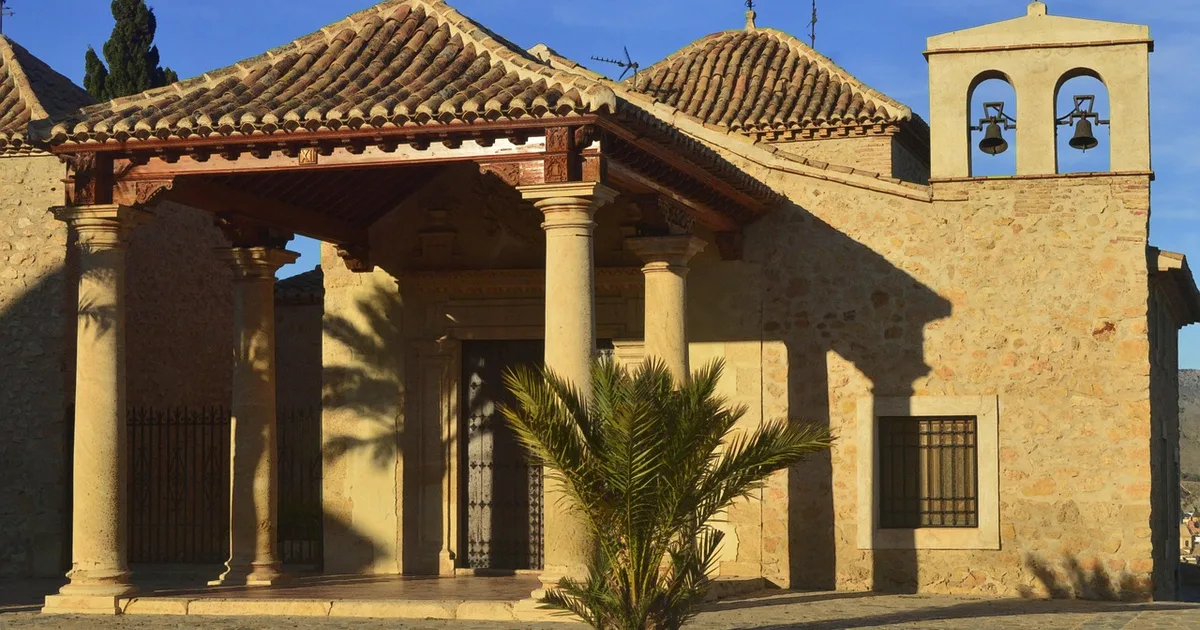
The location chosen for this important moment could not be more significant. Aparecida, the city that hosts Brazil's patron saint, once again becomes the heart of the Brazilian Church, welcoming those who bear the pastoral responsibility of guiding Christ's flock. In this sacred space, where millions of pilgrims place their hopes, the bishops seek inspiration for contemporary challenges.
The beginning of their work was marked by a spiritual retreat, recognizing that all pastoral action must be born from intimacy with God. This choice reflects the wisdom that, before planning and deciding, it's necessary to quiet the heart and listen to the voice of the Holy Spirit. As the Psalmist teaches us: "Be still, and know that I am God" (Psalm 46:10, NIV).
The Path of Synodality and Listening
One of the most significant aspects of this assembly is the commitment to a truly synodal process. The bishops are not gathering merely to make administrative decisions, but to listen to one another and discern together the paths the Spirit is indicating for the Church in Brazil. This approach reflects Pope León XIV's call for a Church increasingly going forth, attentive to the signs of the times.
Synodality, more than a working methodology, is an expression of the very nature of the Church as God's people on the journey. Each bishop brings with them the joys, hopes, sorrows, and anxieties of their diocese, creating a rich mosaic of Brazil's ecclesial reality. In this fraternal exchange, they seek to build consensus that respects the regional and cultural diversities of the vast national territory.
This process of mutual listening echoes Jesus' words to his disciples: "For where two or three gather in my name, there am I with them" (Matthew 18:20, NIV). Christ's presence in the midst of the assembly guarantees that their deliberations will not be merely human, but fruit of the Spirit's action guiding the Church in its earthly pilgrimage.
The Role of Prayer and Eucharistic Celebration
Throughout the gathering, prayer life occupies a central place. The daily Eucharistic celebrations are not merely ritual moments, but the source and summit of episcopal communion. At the table of the Word and the Eucharist, the bishops renew their deepest identity: they are successors of the apostles, called to serve rather than be served.
The variety of Mass times—some in the morning, others in the late afternoon—reflects the understanding that prayer should mark the rhythm of the entire day, from waking to nightly rest. This integration between work and prayer is essential for decisions to be truly spiritual and pastoral.
Challenges and Hopes for the Church in Brazil
The bishops are focusing on crucial issues for the Church's life in the country. Among the topics under discussion are the formation of new ministers, evangelization in urban and rural contexts, care for families, ecumenical and interreligious dialogue, and responding to the cries of the poor and excluded. Each of these challenges requires discernment in light of the Gospel and the Church's teaching.
Particular attention is being given to the situation of young people, many of whom feel distant from Church life. How can we reach the hearts of new generations with Christ's ever-new message? This question resonates in the pastors' reflections as they seek languages and pathways to connect with Brazilian youth. The hope is that through authentic dialogue and close presence, the Church can accompany young people in their search for meaning and transcendence.
At the same time, the bishops are reflecting on how to strengthen communion among the diverse expressions of Christian faith in Brazil. In a country of continental dimensions and such varied realities, unity in diversity presents both a challenge and an opportunity. The gathering in Aparecida seeks precisely to weave these diverse threads into a coherent and missionary ecclesial tapestry.
As these days of work and prayer conclude, the bishops return to their dioceses with a renewed commitment to serve God's people. The Shrine of Aparecida, witness to so many manifestations of faith, once again becomes a starting point for a Church that walks, listens, and proclaims the Good News of Jesus in today's Brazil.



Comments