
In the heart of the world's largest Marian sanctuary, bishops from different regions of Brazil gathered for a time of reflection and sharing. During the Assembly of the National Conference of Bishops of Brazil, held in Aparecida, church leaders dedicated time to dialogue about the paths of faith in our time. This gathering was not merely an administrative meeting, but a true pastoral moment where they sought to listen to the signs of the times in light of the Gospel.

In one of the most significant moments of the event, two bishops with complementary experiences shared their perspectives with media representatives. One comes from the southeastern region, with its urban complexity and metropolitan challenges. The other brings the richness and particularities of the Brazilian northeast, with its unique beauties and specific needs. Together, they wove a rich dialogue about how the Church can be a meaningful presence in today's Brazil.
Faith in a Plural Brazil
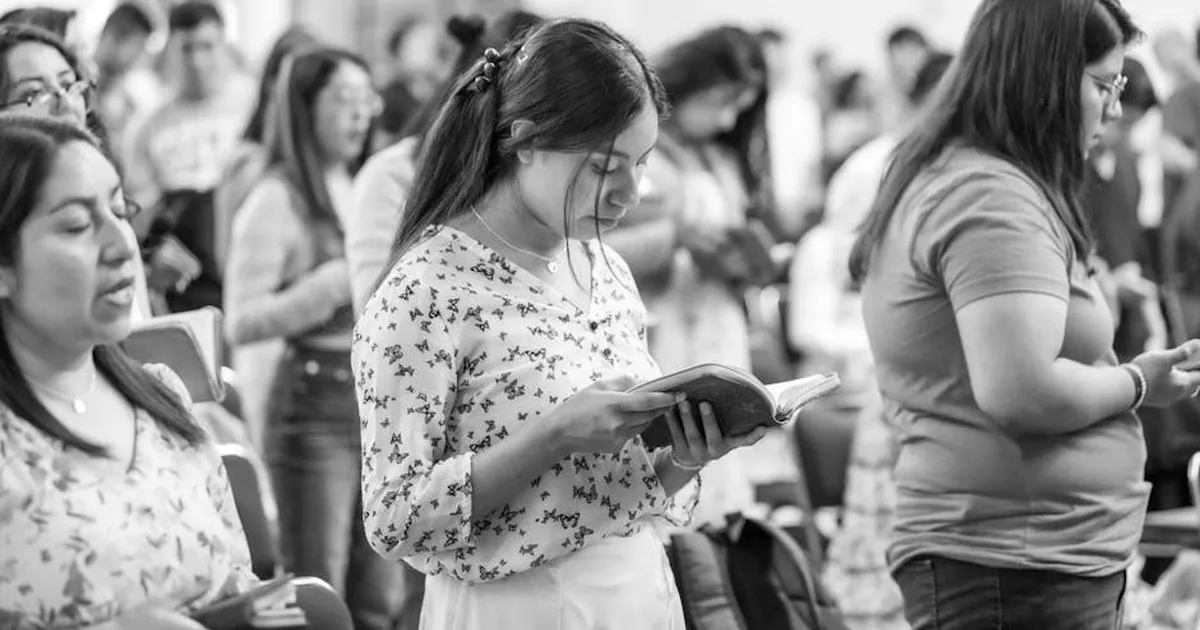
One of the central themes addressed was the transformation of Brazil's religious landscape. The bishops observed that we are not experiencing an emptying of faith, but rather a diversification of religious expressions. The Brazilian people remain deeply spiritual, but this spirituality manifests in increasingly varied ways. Some find God in traditional ecclesial communities, others seek more personal paths, while many move between different faith experiences.
This reality invites us to a posture of welcome and dialogue. As the apostle Paul reminds us: "Accept one another, then, just as Christ accepted you, in order to bring praise to God" (Romans 15:7, NIV). Plurality need not be seen as a threat, but as an opportunity to witness Christ's love in creative and meaningful ways for different realities.
Contemporary Pastoral Challenges
The bishops highlighted several specific challenges that Christian communities face today. Accelerated urbanization has created new social dynamics that demand innovative pastoral responses. Many people live in large cities without creating deep community bonds, which can lead to isolation and feelings of existential emptiness.
Another point addressed was communicating faith in a digital world. New generations relate differently to information and institutions. The Church is called to be present in these virtual spaces not just to transmit content, but to build authentic relationships. As the Gospel teaches us: "You are the light of the world. A town built on a hill cannot be hidden" (Matthew 5:14, NIV). Our light needs to shine in digital environments as well.
Commitment to Social Realities
The church leaders were unanimous in affirming that Christian faith cannot be separated from commitment to justice and human dignity. They addressed urgent social issues, always emphasizing that concern for the most vulnerable is at the heart of the Gospel message. The prophet Micah already guided us: "He has shown you, O mortal, what is good. And what does the Lord require of you? To act justly and to love mercy and to walk humbly with your God" (Micah 6:8, NIV).
Among the concerns mentioned are:
- The need for public policies that guarantee dignified living conditions for all
- Care for creation, understanding Christian responsibility for the environment
- Promotion of peace in contexts of violence and conflict
- Support for families in their diverse configurations and challenges
The bishops emphasized that the Church doesn't have all the answers to complex social problems, but has the responsibility to be a prophetic voice and a supportive presence alongside those who suffer.
The Church's Role in Times of Transition
In this period of significant changes in Brazilian society and the universal Church, the bishops reflected on how to keep Christian hope alive. They recalled that although Pope Francis passed away in April 2025, his legacy of pastoral closeness and commitment to the poor continues to inspire. Now, under the leadership of Pope Leo XIV, the Church continues its path of service to the world.
Faith is not a refuge from the world, but a transformative force that compels us to build God's Kingdom here and now. As a Christian community, we are called to be witnesses of resurrection in the midst of daily realities, trusting that the Holy Spirit guides us in each new challenge.


Comments