
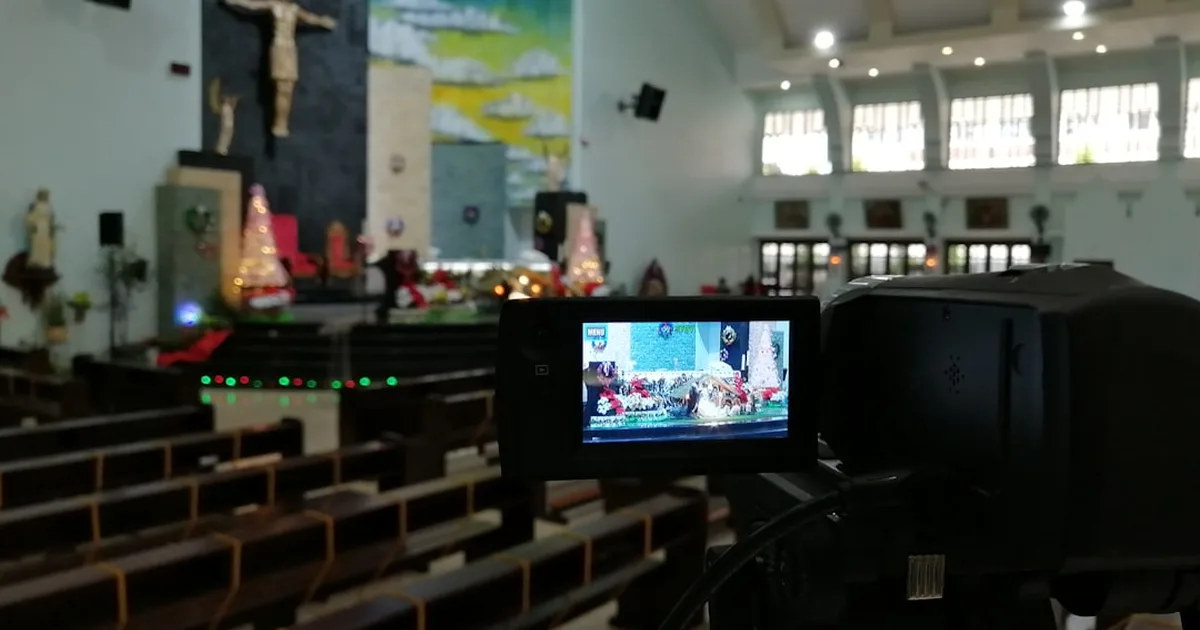
In an increasingly digital world, the Catholic Church in Brazil demonstrates how technology can be placed at the service of communion and pastoral decision-making. During the 62nd General Assembly of the National Conference of Bishops of Brazil (CNBB), held in Aparecida, bishops experienced a new way of participating in voting through electronic devices that streamline the process without requiring internet connection.
This initiative represents more than simple technical modernization – it's a sign of how the Church seeks to remain faithful to its evangelizing mission using means appropriate for our times. As the apostle Paul teaches us: "'I have the right to do anything,' you say—but not everything is beneficial. 'I have the right to do anything'—but I will not be mastered by anything" (1 Corinthians 6:12, NIV). Technology, when used well, can serve the common good and the effectiveness of the Church's mission.
The new devices allow bishops to register their votes instantly, replacing the traditional manual method of ballot counting. This change not only saves precious time during assemblies but also ensures greater accuracy and transparency in decision-making processes.
The Pastoral Significance of Administrative Efficiency
Many might question: why focus on administrative aspects in a gathering of pastoral nature? The answer lies in understanding that good administration of ecclesial resources and processes is, in itself, a pastoral act. When Church leaders use time and available resources well, they bear witness to the value of Christian stewardship.
Father Arnaldo Rodrigues, communication advisor for CNBB, explains that this innovation is particularly important considering the complexity of topics discussed in assemblies and the logistical demands involved. "Efficiency in administrative processes frees us to dedicate more time and energy to what truly matters: pastoral discernment and building communion," observes the priest.
This perspective echoes Scripture: "But everything should be done in a fitting and orderly way" (1 Corinthians 14:40, NIV). Efficient organization is not an end in itself, but a means to better serve the community of faith and fulfill the mission received from Christ.
Preparing for Important Future Decisions
The new voting devices are being tested not only for decisions in the current assembly but also as preparation for future electoral processes, including the selection of CNBB's next presidency and episcopal commissions. This advance preparation demonstrates practical wisdom and care for democratic processes within the ecclesial structure.
In a time of transition in the papacy, with the election of Pope León XIV in May 2025 following the passing of Pope Francis in April of the same year, the Church in Brazil shows how continuity and renewal can walk together. The adoption of new technologies for traditional processes reflects this dynamic of creative fidelity to Church tradition.
Communion Beyond Technology: The Heart of Ecclesial Gathering
While technology offers valuable tools, it's important to remember that the core of CNBB assemblies remains fraternal encounter, common prayer, and collective discernment. Electronic devices are instruments that serve these greater purposes, not substitutes for the personal and spiritual communion that characterizes Church life.
As the Letter to the Hebrews reminds us: "And let us consider how we may spur one another on toward love and good deeds, not giving up meeting together, as some are in the habit of doing, but encouraging one another" (Hebrews 10:24-25, NIV). Technology, in this context, becomes a means to facilitate and deepen this ecclesial gathering, not an end in itself.
The Brazilian bishops are showing how the Church can embrace innovation without losing sight of its spiritual essence. This balance between tradition and modernity reflects a living Church that seeks to respond to the signs of the times while remaining faithful to its fundamental mission of proclaiming the Gospel and building community.




Comments