
Amid life's complexities and the questions dwelling in our hearts, we find in God's Word a permanent invitation to transformation. Recently, during his pastoral visit to Algeria, Pope León XIV celebrated Holy Mass at the historic Basilica of Saint Augustine in Annaba. In that place, which breathes the memory of one of the Church's great doctors, the Holy Father invited us to reflect on a fundamental encounter narrated in the Gospel: that between Jesus and Nicodemus.

Nicodemus, a Pharisee and teacher in Israel, came to Jesus at night, moved by a sincere search, but perhaps also by fear of others' judgment. His question reveals a deep restlessness: "Rabbi, we know that you are a teacher who has come from God. For no one could perform the signs you are doing if God were not with him" (John 3:2, NIV). Jesus' response, however, goes straight to the heart of the human condition, transcending external signs: "Very truly I tell you, no one can see the kingdom of God unless they are born again" (John 3:3, NIV).
The Meaning of "Born Again"
Pope León XIV, reflecting on this dialogue, emphasized that being "born again" or "born from above" is not merely a behavioral adjustment or a New Year's resolution. It is a radical invitation to a new origin, to a new principle of life that has its source in God himself. It is a rebirth "of water and the Spirit" (John 3:5).
"The wind blows wherever it pleases. You hear its sound, but you cannot tell where it comes from or where it is going. So it is with everyone born of the Spirit." (John 3:8, NIV)
This image used by Jesus – the wind – is profoundly revealing. Just as we do not control the wind, but feel its effects and hear its sound, the Holy Spirit's action in us is mysterious and free. To be "born again" is to open ourselves to this transformative and life-giving action of the Spirit, which leads us back to our true identity as children of God.
A Path for the Church and for Every Heart
The Holy Father applied this truth not only to individual life but also to the Church's communal journey. In a world marked by weariness, divisions, and uncertainties, the Christian community is called to be itself a living sign of this "rebirth." How can the Church be a sign of hope?
- Returning to the Source: To be reborn is, first and foremost, a constant return to Jesus Christ, the source of living water. It is in prayer, listening to the Word, and the Eucharist that our spirit is revitalized.
- Living in Communion: The new birth is not solitary. It inserts us into the Body of Christ, calling us to overcome individualism and build bridges of fraternity, especially with the most vulnerable.
- Witnessing with Joy: A community reborn in the Spirit radiates a serene and contagious joy, even amid difficulties, because its hope is anchored in God.
In Algeria, a land with a significant Christian history and a community of faithful witnessing with courage, this message resonates with special strength. The saints, like Saint Augustine – whose footsteps trod that same region – remain perennial witnesses that this "birth from above" is possible and fruitful. They remind us that holiness is not the absence of weaknesses but the powerful action of God's grace that is perfected precisely in human fragility. As the Apostle Paul wrote: "My grace is sufficient for you, for my power is made perfect in weakness" (2 Corinthians 12:9a, NIV).
Putting It into Practice: How to Respond to This Invitation?
The invitation to be "born again" may seem abstract, but it becomes concrete in simple, everyday gestures of openness to God and neighbor. Here are some practical ways to cultivate this spiritual rebirth:
- Daily Moment of Silence: Set aside a few minutes each day to be silent before God. In life's hustle, this space allows us to hear the gentle voice of the Spirit who renews us inwardly.
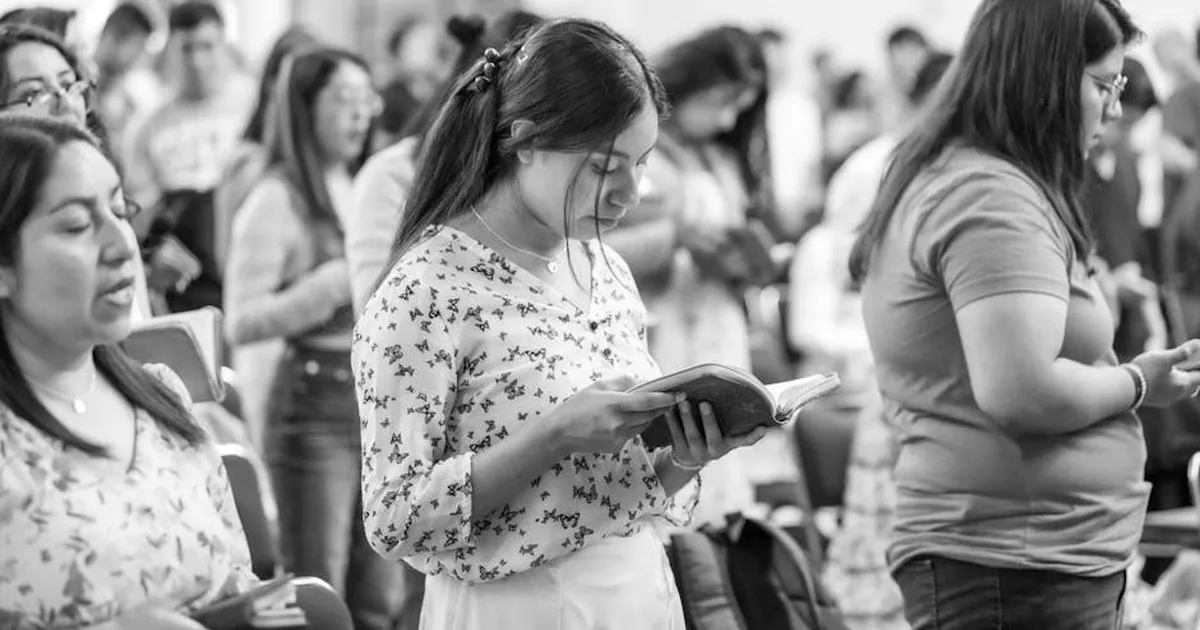
- Prayerful Reading of the Bible: Don't read the Word merely to acquire knowledge, but to encounter the living God who speaks to you. Let a verse, a parable, or a teaching of Jesus challenge and transform you.
- Reconciliation and Forgiveness: Spiritual rebirth often requires healing wounds. Approach the Sacrament of Reconciliation or seek peace with someone from whom you are estranged. Forgiveness liberates and makes space for new life.
- Humble Service: Jesus taught that whoever wants to be first must be the servant of all. Finding concrete ways to serve in your parish, family, or community is a tangible sign of a renewed heart.
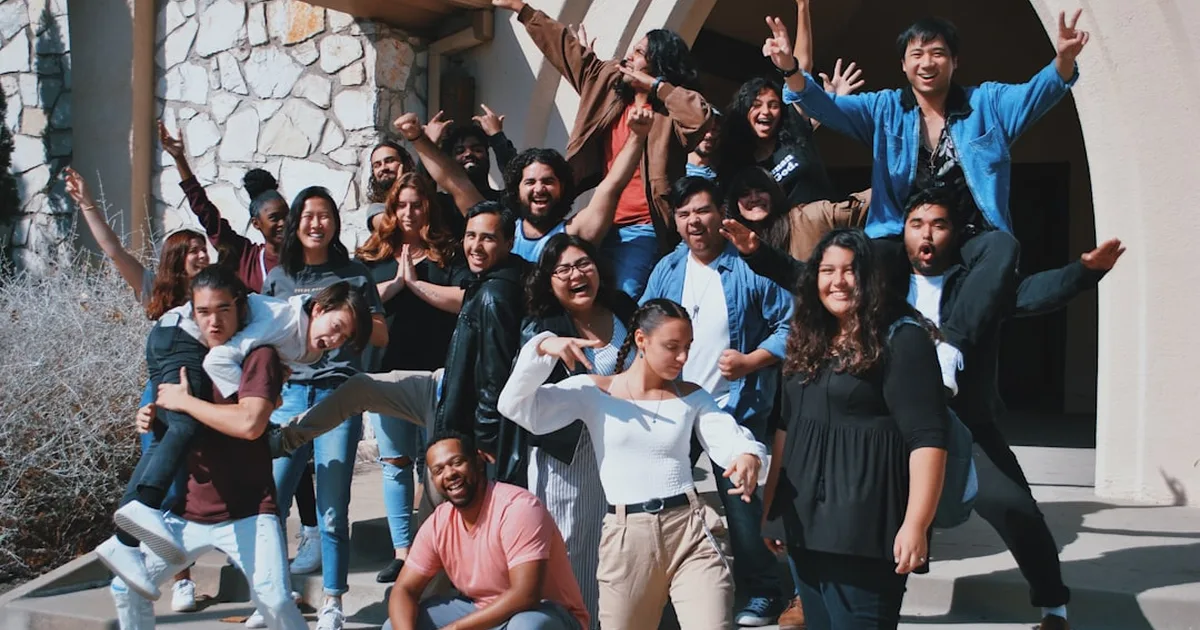
- Community and Fraternity: Participate actively in your Christian community's life. Share your joys and challenges, support others in their faith, and let the communion of brothers and sisters strengthen you.
Pope León XIV reminds us that this path of rebirth is not a heavy burden but a joyful gift. It is the response to the deepest longing of the human heart: to live a full, meaningful life in communion with God and others. May the Holy Spirit, the primary agent of this new birth, guide each of us and our communities toward constant renewal, so that we may be credible witnesses of Christ's love in today's world.

Comments