
Since time immemorial, people have gazed at the night sky with wonder and curiosity. The infinite expanses of the universe have inspired generations of scientists, philosophers, and believers. We also find this reverence for creation in Holy Scripture. The psalmist sings: "The heavens declare the glory of God; the skies proclaim the work of his hands" (Psalm 19:1 NIV). This fundamental fascination connects humanity's drive for discovery with awe at God's work in his creation.
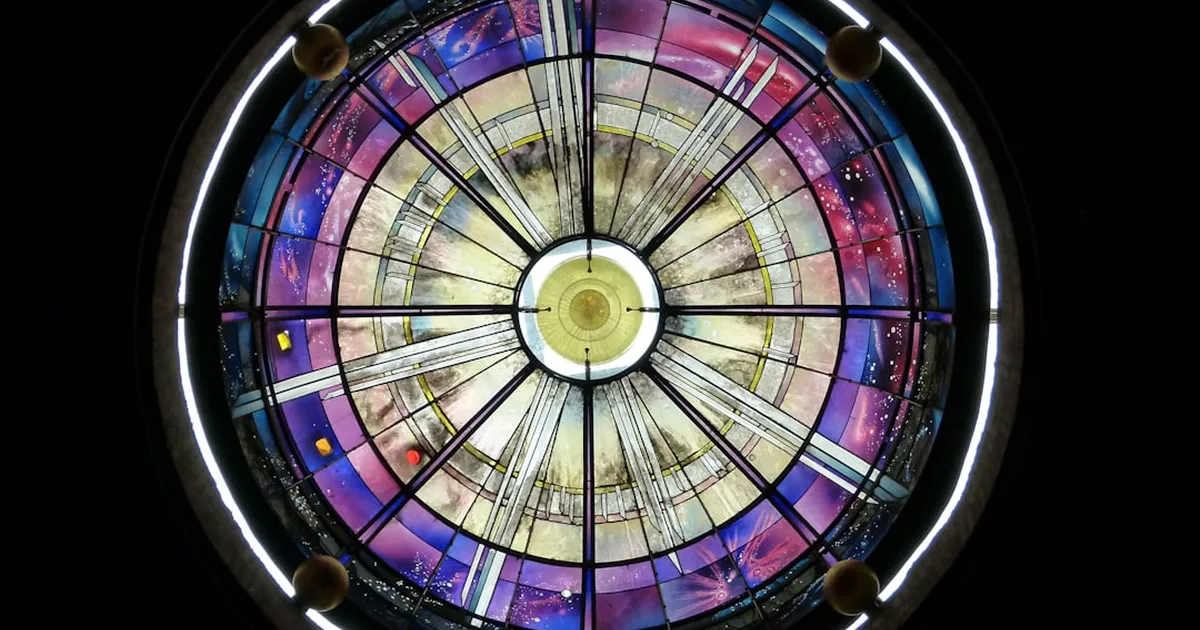
In our modern era, this longing for the stars has manifested in popular culture. Science fiction series and films take up these themes and pose questions about our place in the cosmos, our responsibility, and the future of humanity. Often, they offer more than just entertainment—they can provide impulses for deeper reflection that are also relevant to Christian community life.
Community in Uncertain Times: Lessons from Fictional Future Visions
Many science fiction narratives describe ship crews or astronaut communities that must overcome challenges together in unknown worlds. These depictions of cooperation, trust, and mutual support in extreme situations can prompt us to think about our own communities. How do we handle uncertainty in our churches and congregations? How do we strengthen cohesion when facing new challenges?
The Book of Acts gives us an impressive picture of early Christian community: "They devoted themselves to the apostles' teaching and to fellowship, to the breaking of bread and to prayer" (Acts 2:42 NIV). These four elements—teaching, fellowship, shared meals, and prayer—still form the foundation of vibrant churches today. Science fiction stories that show survival in hostile environments or the coming together of diverse characters can remind us how valuable and necessary genuine community is.
Diversity as Strength: Different Gifts in the Congregation
Interestingly, many futuristic tales feature teams with very different abilities and backgrounds who achieve more together than any individual could alone. This portrayal corresponds to the New Testament understanding of the church as the body of Christ, where each member has its special function. Paul writes to the church in Corinth: "Just as a body, though one, has many parts, but all its many parts form one body, so it is with Christ" (1 Corinthians 12:12 NIV).
In our congregations today, we can bring this biblical truth to life by valuing and including the various gifts and personalities. Each person brings unique experiences, abilities, and perspectives that can enrich the community. Like in a well-functioning starship crew, it's not about everyone being the same, but about each contributing to the well-being of the whole.
Ethical Questions and Christian Values in Future Scenarios
Science fiction frequently raises ethical questions that are also relevant from a Christian perspective: How do we deal with artificial intelligence? What responsibility do we have for other life forms? How do we preserve our humanity in an increasingly technological world? These questions are not merely theoretical—they already affect us today in our rapidly changing society.
Biblical ethics offers us a firm reference point in these discussions. Jesus summed up the Law and the Prophets in two great commandments: "'Love the Lord your God with all your heart and with all your soul and with all your mind.' This is the first and greatest commandment. And the second is like it: 'Love your neighbor as yourself'" (Matthew 22:37-39 NIV). These principles of love for God and neighbor continue to guide us as we navigate the moral complexities of our time, including those imagined by science fiction stories.




Comments