
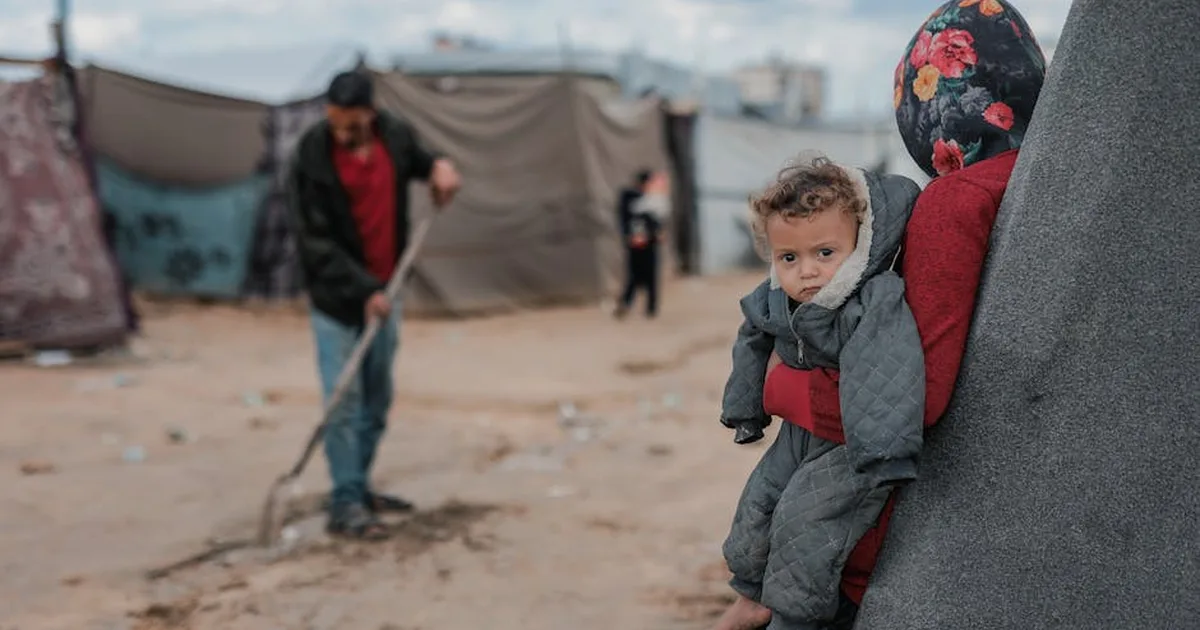
In many regions of the world, Christian communities experience the painful reality of separation and displacement. Particularly in the Middle East, where political borders often cut across historical connections, believers find themselves in a unique situation. They carry a double burden: on one hand, the longing for spiritual community; on the other, the desire for family unity. This experience is not new in the history of faith, but it takes on special urgency in our time.
The Bible knows numerous examples of separation and reunion. Think of Joseph, separated from his brothers and who years later reunited with his family. In Genesis 45:4-5 we read:
"Then Joseph said to his brothers, 'Come close to me.' When they had done so, he said, 'I am your brother Joseph, the one you sold into Egypt! And now, do not be distressed and do not be angry with yourselves for selling me here, because it was to save lives that God sent me ahead of you.'" (Genesis 45:4-5 NIV)These verses remind us that God himself can have a greater plan even in the most painful separations.
Spiritual Home in Displacement
For Christians living separated from their homeland, the local church becomes a special place of refuge. Here not only spiritual nourishment is found, but also practical support in daily life. The congregation becomes a substitute for distant family, a place where traditions are preserved and new bonds are formed. This experience connects believers from diverse cultural backgrounds in a shared spiritual reality.
The apostle Paul describes this new community fabric in his letter to the Ephesians:
"Consequently, you are no longer foreigners and strangers, but fellow citizens with God's people and also members of his household." (Ephesians 2:19 NIV)These words take on special meaning for Christians moving between different cultural identities. They remind us that our true home is not defined geographically, but in communion with God and his believers.
The Role of Memory in Faith
In many Christian traditions, memory plays a central role. The liturgy, holidays, even church architecture serve to preserve important events and people in collective consciousness. For separated families, this culture of memory becomes an important tool to maintain connection. Stories continue to be told, recipes passed down, prayers spoken in the mother tongue—all this creates bridges across physical distances.
Practical Solidarity in the Congregation
How can churches concretely respond to the needs of separated families? First through conscious attention and invitation. Many people living apart from their family of origin yearn for family structures. Congregations can create spaces where this longing is satisfied—through shared meals, celebrations of life events, or simply regular personal contacts.
The Bible gives us clear instructions for this treatment:
"Do not mistreat or oppress a foreigner, for you were foreigners in Egypt." (Exodus 22:21 NIV)This exhortation reminds us of our own history of displacement and invites empathy. Concretely, this can mean: special attention for single congregation members, establishment of mentorship programs, or simply the willingness to listen and share.
Building Digital Bridges
In our time, technological means offer new possibilities to connect separated families. Many congregations use online platforms to keep spiritual and emotional connections alive. Live streams of services, virtual prayer groups, and family video calls have become valuable tools to overcome distance. However, it's important to remember that technology complements but doesn't replace genuine human contact and physical presence in the community of faith.



Comments