
Ash Wednesday marks the start of Lent, a season of spiritual preparation for Easter. On this day, Christians from many traditions receive a cross of ashes on their forehead as a sign of repentance and humility. This practice, rich in symbolism, invites us to reflect on our fragility and our need to return to God.
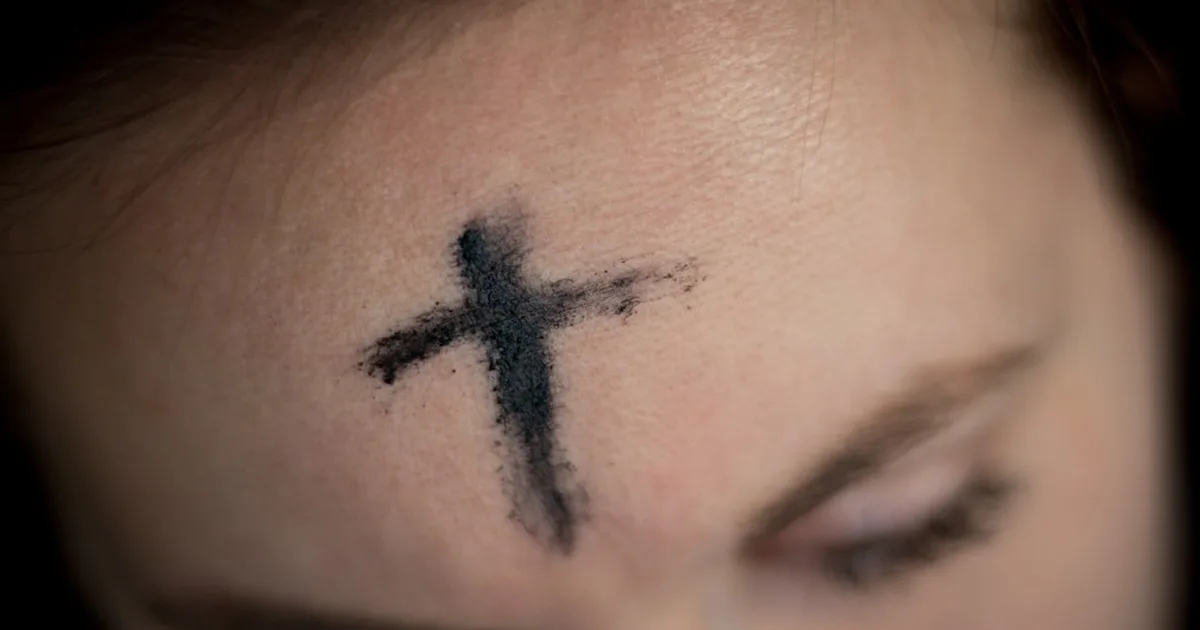
“For you are dust, and to dust you shall return” (Genesis 3:19, ESV).
The ashes come from the palms blessed on Palm Sunday of the previous year. Their imposition reminds us that earthly life is fleeting. But beyond the ritual, Ash Wednesday is an opportunity to begin a journey of conversion, prayer, and fasting.
Biblical Roots and the Tradition of Ashes
In the Bible, ashes symbolize mourning and penance. Figures like Job, Daniel, and the people of Nineveh covered themselves with ashes to express repentance (Job 42:6; Daniel 9:3; Jonah 3:6). Jesus himself fasted for forty days in the desert, the model for the Christian Lent (Matthew 4:1-11).
The practice of Ash Wednesday became established in the Church around the fourth century as a time of preparation for baptisms at Easter. Over the centuries, it spread to all the faithful as a call to personal conversion.
How Is Ash Wednesday Celebrated?
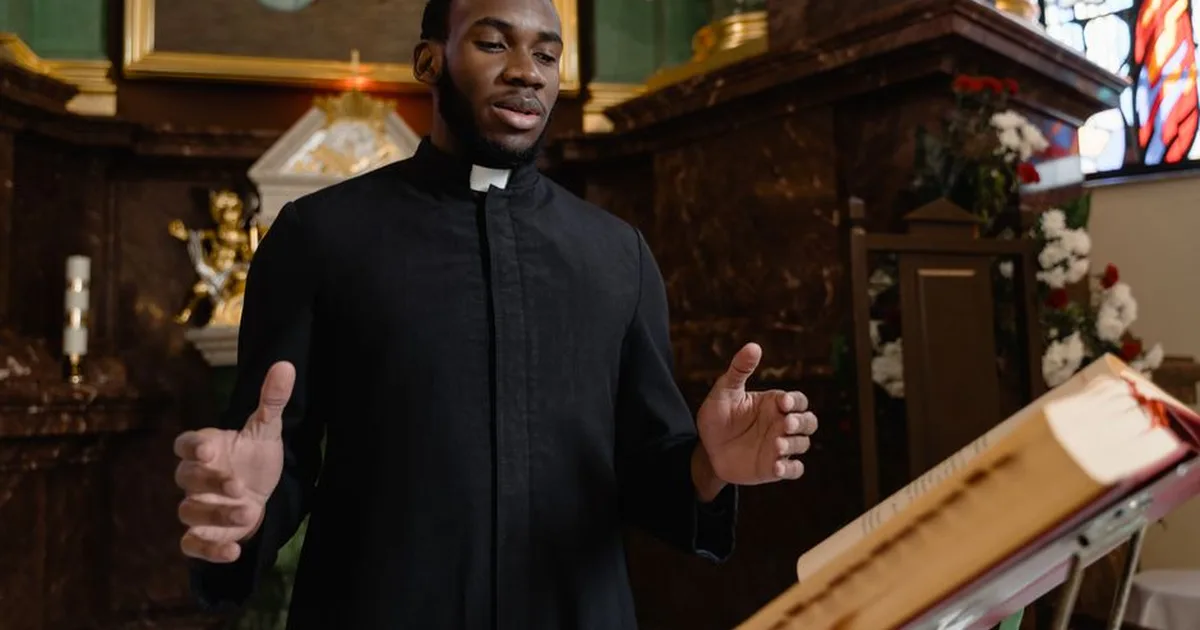
In many communities, a special Mass or service is held where the priest imposes ashes while saying: “Repent and believe in the gospel” (Mark 1:15). This gesture is accompanied by prayer and fasting, practices that help us focus on God.
Fasting and Abstinence
For Catholics, Ash Wednesday is a day of fasting (one full meal) and abstinence from meat. However, each person can adapt these practices according to their health and circumstances, always seeking a willing heart.
Personal and Communal Prayer
Lent is a time to intensify prayer. You can read passages like Psalm 51, which expresses a deep desire for forgiveness: “Create in me a clean heart, O God” (Psalm 51:10, ESV).
The Spiritual Meaning of Ash Wednesday
More than an external ritual, Ash Wednesday invites us to look inward. The ashes remind us that our life is fragile, but also that God offers us mercy. It is a call to let go of pride and open our hearts to Christ’s love.
In a world that values image and success, ashes humble us and set us free. They remind us that we are not masters of our destiny, but beloved creatures of a Father who waits for us.
Practical Tips for Living This Day
- Attend a service if possible to receive ashes.
- Choose a concrete sacrifice (like giving up social media or sweets) to help you focus on God.
- Read a Bible passage each day of Lent, starting with the Gospels.
- Perform an act of charity: visit a sick person or donate food.
Frequently Asked Questions About Ash Wednesday
Do all Christians celebrate Ash Wednesday?
Not all denominations observe it. It is common in the Catholic Church, the Anglican Communion, and some Lutheran and Methodist churches. However, many other Christian traditions have their own ways of preparing for Easter.
Can I wash off the ashes after the service?
Yes, ashes are not a magical symbol. You can wash them off after the service, though some choose to keep them visible as public witness of faith.
What if I cannot fast for health reasons?
The Church always prioritizes health. You can replace fasting with a longer prayer or a work of mercy. What matters is the intention of the heart.



Comments