
Thirty years ago, nineteen religious men and women gave their lives in Algeria, victims of the violence that gripped the country. Their martyrdom, far from being a mere historical event, remains a source of inspiration for Christians worldwide. Beatified in 2018 in Oran, these men and women are now seen as models of faith and forgiveness. Their story, marked by love for neighbor and courage in the face of adversity, resonates especially in a Church seeking to live the Gospel in a context of pluralism and tension.
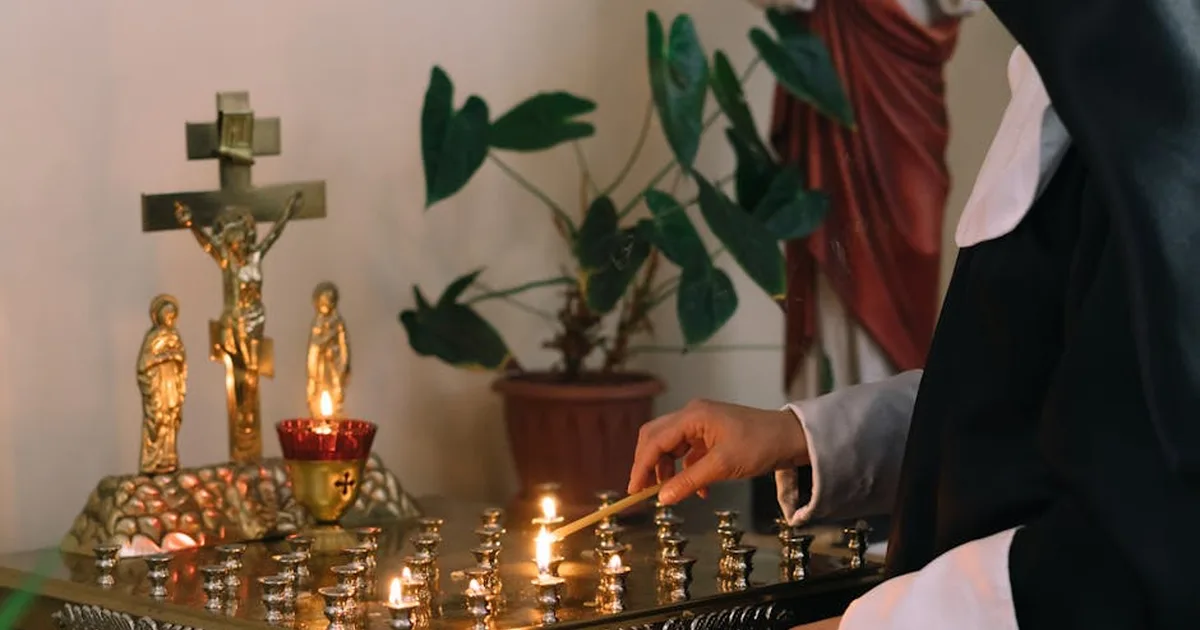
The process toward possible canonization is underway, as explained by Dom Thomas Georgeon, a Trappist monk and postulator of the cause since 2013. According to him, recognition of a miracle attributed to the collective intercession of the nineteen martyrs is necessary. This journey, though long, testifies to the vitality of their witness and the impact it continues to have on believers. As Scripture reminds us: "Blessed are those who are persecuted because of righteousness, for theirs is the kingdom of heaven" (Matthew 5:10, NIV).
Who Were These Martyrs?
The nineteen martyrs of Algeria belong to different religious congregations: Trappists, Sisters of Our Lady of Africa, Brothers of the Holy Cross, and others. Their common thread? A deep commitment to interfaith dialogue and service to the poorest. Among them, the seven monks of Tibhirine, kidnapped in 1996, are perhaps the most famous, but other figures, such as Bishop Pierre Claverie of Oran, also left a mark through their courage.
Their daily lives were steeped in prayer and solidarity with the Algerian population, which is mostly Muslim. They embodied an open Church, ready for dialogue and self-giving. As the apostle Paul wrote: "For Christ’s love compels us" (2 Corinthians 5:14, NIV). This love led them to stay with those they served, despite the dangers, until their ultimate offering.
A Miracle for Canonization?
The canonization cause of the Algerian martyrs is unique because it concerns an entire group. For it to succeed, the Church requires recognition of a miracle attributed to their collective intercession. This miracle must be medically inexplicable and occur after prayers addressed to the group. Dom Thomas Georgeon is closely following several potential cases, but none have yet been officially recognized.
This step reminds us that holiness is not an abstract concept but a reality that tangibly touches believers' lives. As Jesus says in the Gospel: "If you have faith as small as a mustard seed, you can say to this mountain, 'Move from here to there,' and it will move" (Matthew 17:20, NIV). The Algerian martyrs invite us to believe that God can act through their witness, even after their death.
The Legacy for Today's Church
Their example challenges us about our own way of living faith. In a world marked by divisions and violence, these martyrs remind us that forgiveness and dialogue are possible. Before dying, several of them expressed forgiveness toward their attackers, following Christ on the cross: "Father, forgive them, for they do not know what they are doing" (Luke 23:34, NIV).
Their legacy is also a call to Christian unity. As an ecumenical platform, EncuentraIglesias.com sees in this witness a source of inspiration for all disciples of Christ, regardless of denomination. The Algerian martyrs show us that love is stronger than death, and that faith can transform even the darkest situations into light.
How Can Their Example Inspire Us Today?
Perhaps we are called, without going to martyrdom, to live with the same intensity of love for neighbor and commitment to dialogue. Their witness challenges us to be peacemakers in our environments, to forgive from the heart, and to build bridges where there are walls. May their example encourage us to be authentic witnesses of the Gospel in a world that so desperately needs hope.


Comments