
Amid a global landscape marked by polarization and heated debates, the Catholic Church has once again demonstrated the strength of its spiritual unity. Recently, bishops from the United States and Italy have publicly expressed their support for Pope Leo XIV, the successor of Peter who assumed the Petrine ministry in May 2025, following the passing of the beloved Pope Francis in April of the same year.
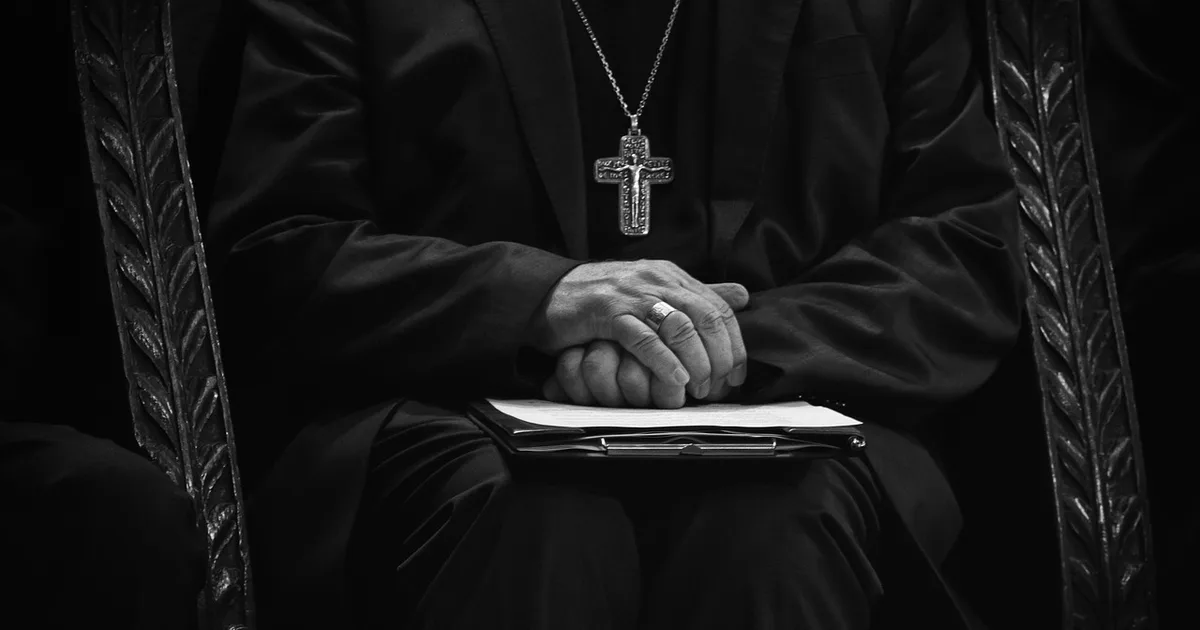
The pastoral voice beyond political borders
Archbishop Paul Coakley, president of the United States Conference of Catholic Bishops, expressed his discomfort with public statements that sought to discredit the ministry of the Holy Father. In a pastoral and firm tone, the archbishop reminded that the Pope is not a political figure in partisan disputes, but rather the Vicar of Christ called to proclaim the truth of the Gospel.
This stance echoes the words of the apostle Paul: "Instead, speaking the truth in love, we will grow to become in every respect the mature body of him who is the head, that is, Christ" (Ephesians 4:15, NIV). The Pope's mission, as Peter's successor, is precisely to lead the faithful to Christ, not to temporary political agendas.
The Italian response: communion and respect
Across the Atlantic, the Italian Episcopal Conference also spoke out, renewing its "full communion with the Holy Father Leo XIV." The Italian bishops emphasized that the Pope is "called to serve the Gospel, truth, and peace," especially in a historical period characterized by international conflicts and geopolitical tensions.
This transnational unity reminds us of Jesus' words: "I have given them the glory that you gave me, that they may be one as we are one" (John 17:22, NIV). The episcopal communion around Peter's successor is a visible testimony to this unity that Christ desired for his Church.
The Petrine ministry in biblical perspective
To properly understand the Pope's role in the contemporary Church, it is essential to return to the biblical origins of this ministry. Jesus told Peter: "And I tell you that you are Peter, and on this rock I will build my church, and the gates of Hades will not overcome it" (Matthew 16:18, NIV). This spiritual foundation remains central even two millennia later.
Pope Leo XIV, like his predecessors, exercises a ministry of unity, guardian of the faith, and pastoral service to all Christians. His voice, when speaking on moral or social justice issues, does not emerge from political preferences, but from faithfulness to the Gospel entrusted to him.
Contemporary challenges and evangelical responses
We live in an era of instant communication, where opinions are formed and disseminated with impressive speed. In this context, the Church faces the challenge of proclaiming eternal truths amid the noise of passing controversies.
The apostle Peter exhorts us: "But in your hearts revere Christ as Lord. Always be prepared to give an answer to everyone who asks you to give the reason for the hope that you have. But do this with gentleness and respect" (1 Peter 3:15, NIV). It is in this spirit that the American and Italian bishops have spoken—not to fuel controversies, but to witness to the essentially spiritual nature of the papal ministry.
Practical reflection: how can Christians respond?
Faced with news involving religious leaders in public debates, we Christians are called to a mature and evangelical response:
- Prayer for the Pope and bishops: Saint Paul exhorts us: "I urge, then, first of all, that petitions, prayers, intercession and thanksgiving be made for all people—for kings and all those in authority" (1 Timothy 2:1-2, NIV). Including the Pope in our daily prayers is an act of spiritual communion.
- Critical discernment: Evaluate the information we receive in light of the Gospel, distinguishing between political opinions and religious teachings.
- Witness of unity: In a divided world, our communion as Christians, even when we have legitimate differences, should reflect the unity for which Jesus prayed.




Comments