
In a significant moment for the journey of churches in Brazil, Bishop Rodolfo Weber, Archbishop of Passo Fundo, was confirmed as president of the Episcopal Commission for Ecumenism and Interreligious Dialogue of the CNBB. This confirmation, which took place during the 62nd General Assembly, establishes his leadership until 2027, marking a period dedicated to deepening dialogue and fraternity among Christians from different traditions.
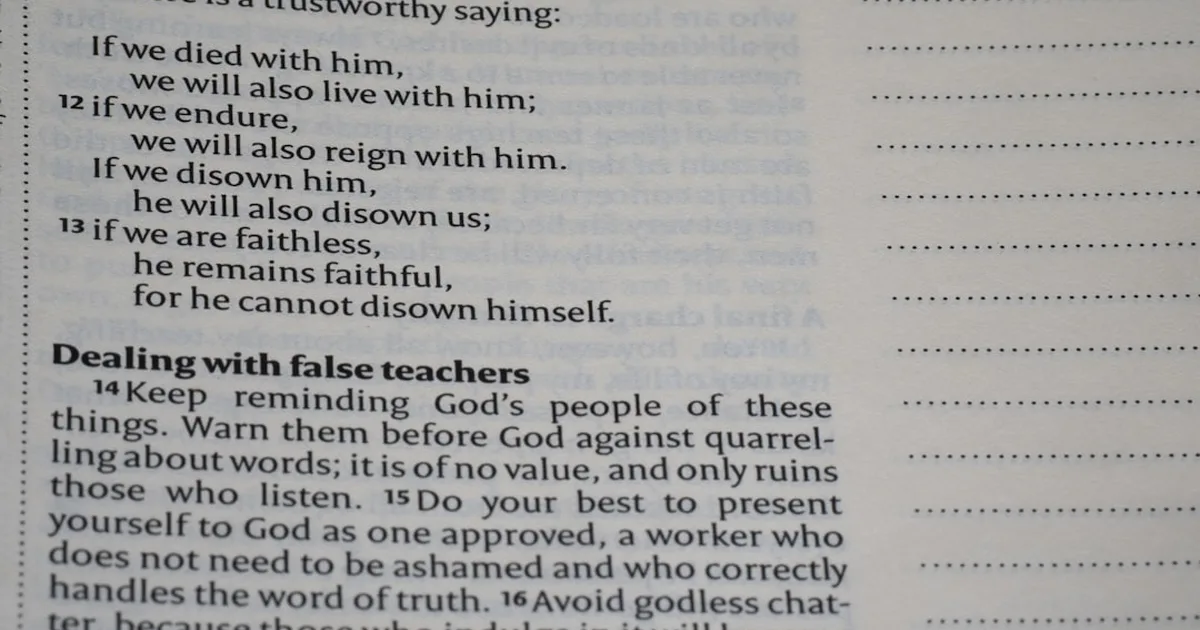
Ecumenical work is not a secondary option but an essential calling that echoes Christ's desire for his followers. As Jesus' priestly prayer reminds us:
"that all of them may be one, Father, just as you are in me and I am in you. May they also be in us so that the world may believe that you have sent me." (John 17:21, NIV)This unity desired by Christ transcends denominational barriers and invites us into deeper communion.
The Context of the Appointment and the Mission Ahead
The election of Bishop Rodolfo Weber follows the transfer of Bishop Teodoro Tavares to a diocese in Cape Verde. During the transition period, Bishop Rodolfo was already serving as interim president, demonstrating his capability and commitment to this delicate and important pastoral area. The confirmation by the assembled bishops represents not only a vote of confidence in his leadership but also a reinforcement of the institutional commitment of the Catholic Church in Brazil to the ecumenical path.
Ecumenism, at its heart, is a movement of the Holy Spirit that invites the conversion of the heart. It is not merely about theological agreements or joint ceremonies, but about mutual recognition as brothers and sisters in Christ. The apostle Paul exhorts us:
"I appeal to you, brothers and sisters, in the name of our Lord Jesus Christ, that all of you agree with one another in what you say and that there be no divisions among you, but that you be perfectly united in mind and thought." (1 Corinthians 1:10, NIV)The commission led by Bishop Rodolfo has precisely this noble task: to foster this "speaking the same thing" in charity and truth.
The Challenges and Opportunities of Dialogue
The Brazilian religious landscape is diverse and complex. Ecumenical work faces the challenge of building genuine bridges amid historical, theological, and cultural differences. However, these same differences, when approached with respect and love, can become sources of mutual enrichment. The commission will have the task ahead of promoting encounters, joint studies, and service initiatives that concretely manifest the unity that already exists through common baptism.
It is important to remember that ecumenical dialogue does not seek a gray uniformity, but unity in reconciled diversity. Each Christian tradition holds particular treasures of faith that can be shared for the good of the whole Body of Christ. Collaboration in areas such as the defense of life, the promotion of social justice, and care for creation are fertile fields for this joint work.
The Horizon Through 2027: Building Fraternity
Bishop Rodolfo Weber's mandate extends until 2027, a period that can be seen as a five-year season of grace for Christian unity in Brazil. This time invites all communities of faith to renew their commitment to prayer for unity, overcoming prejudices, and discovering the spiritual wealth present in other ecclesial families.
On this path, the figure of the current Pope, Leo XIV, elected in May 2025, offers an example and encouragement. His leadership, following the legacy of his predecessor Francis, who passed away in April 2025, will certainly continue to emphasize the importance of dialogue, mercy, and encounter as paths for evangelization in the contemporary world. The Brazilian commission operates in harmony with this universal call.
The Bible presents us with the image of the vine and the branches to illustrate our vital connection with Christ and, by extension, with one another. Just as branches are united to the vine, we are called to remain united in Him, nourished by the same sap of love and truth. This is the spiritual foundation of all ecumenical effort: to recognize that, beyond our differences, we share the same root in Christ Jesus. May this period of leadership under Bishop Rodolfo Weber be a time of growth in this awareness and of concrete steps toward greater communion among all who profess the name of Christ in the Brazilian land.



Comments