
With the election of Leo XIV, the Catholic Church has experienced a moment of renewal and hope. The new Pope, born Robert Francis Prevost, brings the experience of a man rooted in monastic tradition and a contemporary vision of the challenges the modern world poses to believers. His election in May 2025 marked a shift from the previous pontificate, characterized by a more informal and communicative style.
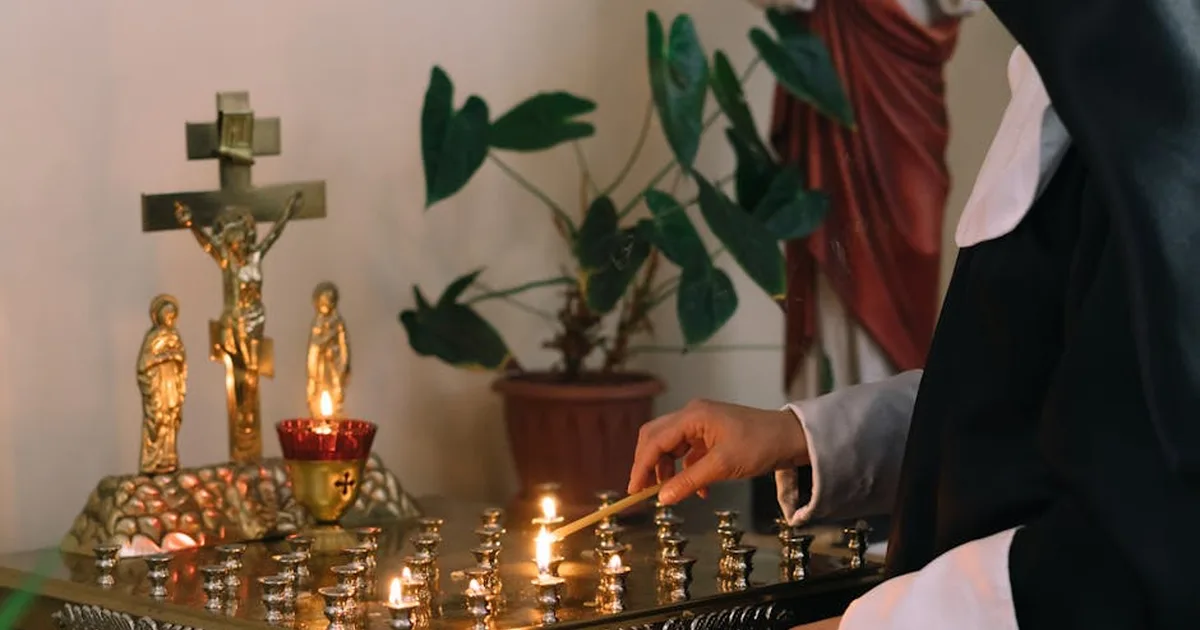
Leo XIV, an American like Francis but with an Augustinian formation, presents himself as a shepherd who aims to refocus attention on doctrine and spiritual life, without neglecting dialogue with the world. His choice to live in the Apostolic Palace and wear traditional papal vestments is not a simple return to the past, but a sign of continuity and respect for Church history.
Returning to the Substance of Faith
In an era where social media debates and internal divisions seem to prevail, Leo XIV invites the faithful to rediscover the heart of Christian faith. His preaching centers on the essential truths of the Gospel, the importance of prayer and the sacraments, and the need for a life consistent with Christ's teachings. As he stated in one of his early homilies: "We are not called to be judges of others, but witnesses of God's love."
"Blessed are those who hunger and thirst for righteousness, for they will be satisfied" (Matthew 5:6, NIV)
The monk Pope does not shy away from addressing complex ethical issues, but does so with humility and depth, seeking to enlighten consciences without imposing. His experience as a bishop and cardinal has prepared him to lead the Church in a time of transition, where many seek authentic, not superficial, answers.
A Shepherd for the Young and the Old
Leo XIV has shown particular attention to young people, who often feel lost in a rapidly changing world. He encourages them not to be afraid to follow Christ, even when the path seems difficult. At the same time, he does not forget the elderly, guardians of tradition and accumulated wisdom. His vision is of a Church that embraces all generations, excluding no one.
Curia Reform and Simplification
One of Leo XIV's first acts was to initiate a reform of the Roman Curia, aiming to make it more efficient and closer to the real needs of the Church. He asked his collaborators to work with humility and dedication, setting aside personal ambitions and partisan interests. Simplification of procedures and transparency in decisions are the guiding principles of this reform.
The Pope has also emphasized the importance of service to the poor and marginalized, calling the Church back to its original mission. In a world marked by inequalities and conflicts, the witness of Christian charity becomes fundamental for proclaiming the Gospel.
Monastic Spirituality at the Service of the Universal Church
Leo XIV's Augustinian formation is reflected in his governing style: patient, discreet, but determined. As a monk, he knows that silence and prayer are indispensable tools for discerning God's will. He invites all the faithful, not just religious, to rediscover the contemplative dimension of faith, finding moments of recollection in daily life.
"The Lord is my shepherd; I shall not want" (Psalm 23:1, NIV)
This spirituality also translates into a deeper relationship with the Word of God, which the Pope meditates on daily and proposes as a sure guide for the Church's journey. His homilies are rich in biblical references and practical applications.



Comments