
In a time of renewal and hope for the Brazilian Christian community, the country's bishops recently gathered to approve new liturgical texts that will be used in our celebrations. This process, marked by synodality and collective discernment, represents more than a simple update of words; it is an invitation to deepen our experience of faith through sacred language. As Psalm 19:14 in the NIV reminds us: "May these words of my mouth and this meditation of my heart be pleasing in your sight, Lord, my Rock and my Redeemer." After all, liturgy is the beating heart of ecclesial life, where we encounter Christ in a special way.
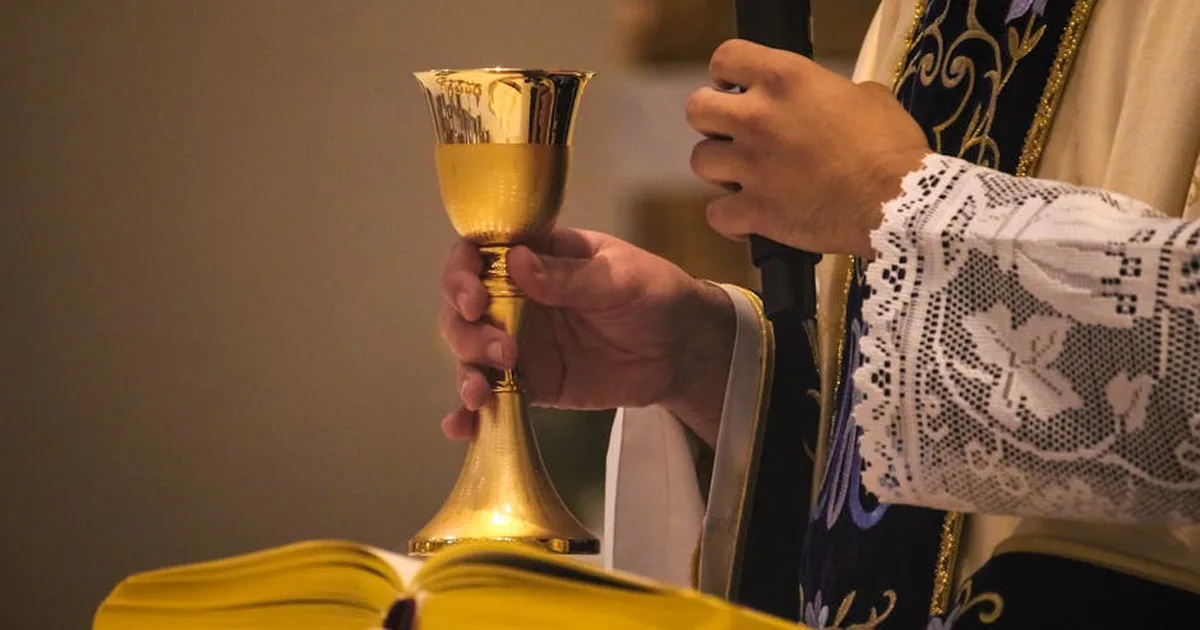
This work takes place in a significant ecclesial context. With the passing of Pope Francis in April 2025 and the election of Pope León XIV (Robert Francis Prevost) in May of the same year, the universal Church is living through a transitional moment. In Brazil, this liturgical renewal aligns with the ongoing call for our communities to become increasingly vibrant and welcoming. Synodality, so emphasized in recent years, manifests concretely in this textual revision process, where different voices and experiences were considered.
The Synodal Process of Renewal
The approval of the new texts was not an isolated event, but rather the fruit of a long journey of listening and reflection. For months, liturgy experts, theologians, linguists, and representatives of Christian communities across Brazil worked together to review and update liturgical formulas. This synodal method reflects the biblical principle expressed in Proverbs 15:22 (NIV): "Plans fail for lack of counsel, but with many advisers they succeed." The diversity of the Brazilian people – with their rich cultural and spiritual traditions – was carefully considered so the texts would authentically resonate in our hearts.
The bishops, as shepherds of the flock, guided this process with pastoral sensitivity, ensuring that changes preserved the integrity of faith while making language more accessible to today's faithful. In a country as vast as Brazil, where expressions of faith range from major metropolitan areas to Amazon river communities, this task required a delicate balance between unity and diversity. The renewed liturgy seeks to be a bridge uniting all Christians in the same profession of faith, regardless of origin or context.
What Changes in Practice?
The new texts bring adjustments primarily in the translation of specific liturgical formulas, seeking greater fidelity to originals and better understanding for Brazilian faithful. This is not a revolution, but a careful evolution that respects tradition while responding to present needs. For example, some expressions that had become archaic or unclear were replaced with more contemporary language, without losing the sacred and reverent character that liturgy requires.
These changes will mainly affect Eucharistic prayers, sacramental formulas, and some elements of the Divine Office. The intention is that, as we hear and proclaim these renewed words, we will be led to a deeper experience of the mystery being celebrated. As Romans 10:17 (NIV) teaches us: "Consequently, faith comes from hearing the message, and the message is heard through the word about Christ." Liturgical language, when well understood, becomes a more effective channel of divine grace.
The Theological Significance of Liturgical Renewal
Liturgy is not merely a set of rites and words, but Christ's own work continuing in the Church. When we update our liturgical texts, we are responding to the Holy Spirit's call for our celebration to become increasingly authentic and transformative. The Sacrosanctum



Comments