
On the beautiful Saco Beach in southern Sergipe's coastline, a chapel over 400 years old stands as a silent witness to Christian faith in Brazil. Built when the country was still a Portuguese colony, these stone and lime walls have seen generations of faithful kneel in prayer, celebrate baptisms, weddings, and bid farewell to loved ones. This sacred space is not merely a historic building but a place where countless lives have found comfort, hope, and communion with God.
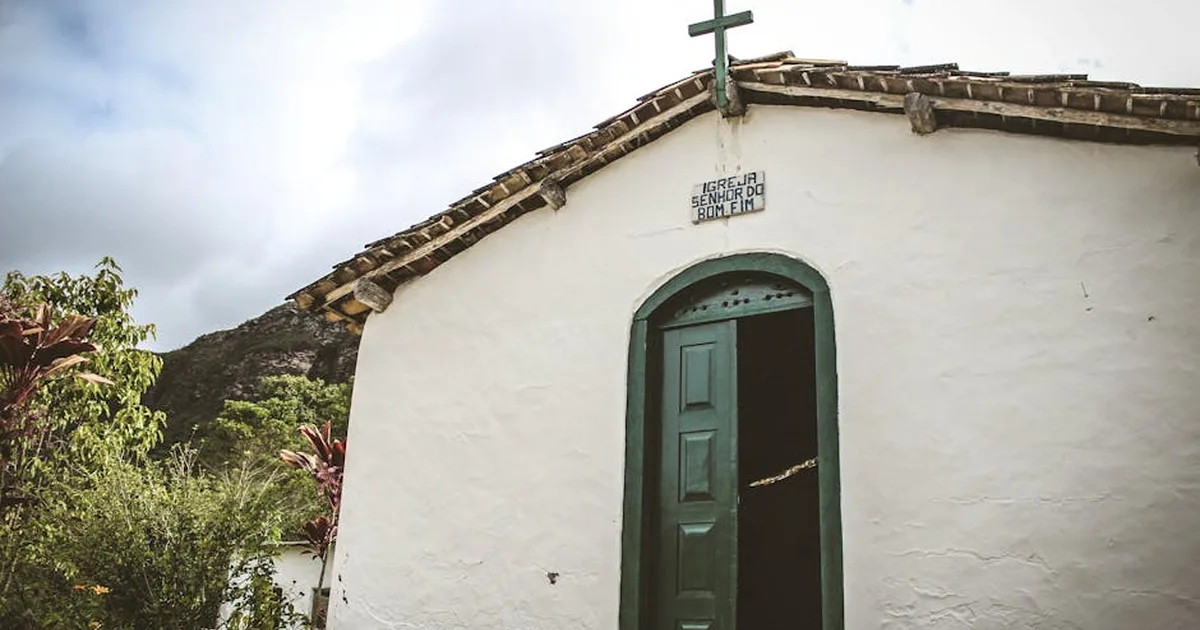
The chapel represents a living connection with our ancestors in faith. Just as the apostle Paul wrote about the importance of living tradition in the Christian community, this physical structure reminds us that our faith has deep roots. In a world that values the new and easily discards the old, spaces like these teach us about perseverance and continuity.
Today, this centuries-old chapel faces an unexpected threat: a court decision that could determine its removal from the place it has always stood. The news has generated deep concern among the local community and all who value the country's historical-religious heritage. The situation invites us to reflect on the value of sacred spaces in our spiritual journey.
The Spiritual Significance of Sacred Places
Since biblical times, specific places have been marked as spaces of encounter with the divine. Jacob, after his dream of the ladder reaching to heaven, exclaimed:
"How awesome is this place! This is none other than the house of God; this is the gate of heaven." (Genesis 28:17, NIV)Although our faith does not depend on physical buildings - for, as Jesus teaches, God is spirit and must be worshiped in spirit and truth - the places where communities gather to worship acquire special meaning.
The Bible shows us how certain locations became memorials of God's action in the history of his people. The stones Joshua placed in the Jordan served as reminders for future generations. Similarly, our historic churches function as "memorial stones" that bear witness to the persevering faith of those who came before us. They connect us with a story larger than our own days.
Pope León XIV, in his first words after his election in May 2025, highlighted the importance of community spaces for the life of the Church. Although he did not specifically refer to this case, his reflections on how places of worship shape community identity resonate deeply with this situation. He reminds us that churches are not mere buildings but "maternal wombs" where faith is conceived and nurtured.
Contemporary Challenges for Religious Heritage
The threat to Saco Beach chapel is not an isolated case. Throughout Brazil, historic churches face various challenges: from legal issues about property to urban development pressure and lack of maintenance resources. Each of these situations represents not only an architectural loss but a rupture in the collective memory of Christian communities.
As Christians, we are called to be stewards not only of our personal gifts but also of the spiritual heritage we received from previous generations. The apostle Peter exhorts us:
"Each of you should use whatever gift you have received to serve others, as faithful stewards of God's grace in its various forms." (1 Peter 4:10, NIV)This stewardship extends also to the physical spaces that house and facilitate the community life of faith.
The current situation invites us to respectful dialogue between different legitimate interests. On one hand, there are legal and development considerations that deserve attention. On the other, there are spiritual, historical, and community values that transcend purely material assessments. Finding a path that honors both aspects requires wisdom, dialogue, and creativity.
Biblical Lessons for Times of Uncertainty
The story of salvation is filled with moments when God's people faced the loss of significant places, from the Babylonian exile to the destruction of the Temple. In each case, faith proved more resilient than physical structures. However, this does not diminish the value of preserving spaces that have nurtured community faith throughout the centuries.
As a Christian community, we are called to seek solutions that reflect both justice and mercy, remembering that our God is creator of all that is good, true, and beautiful. Preserving our religious heritage is an expression of gratitude for God's faithfulness through generations and a legacy of hope for those yet to come.


Comments