
In September 2001, the terrorist attacks on the World Trade Center and the Pentagon shook the world. Amid widespread shock and calls for retaliation, the then Prior General of the Augustinians, Robert Prevost—now Pope Leo XIV—raised his voice. In a sermon on September 21, 2001, in Rome, he spoke out strongly against retaliatory strikes and instead called for peace and reconciliation. This sermon has now been published in a book containing previously unpublished texts of the Pope.
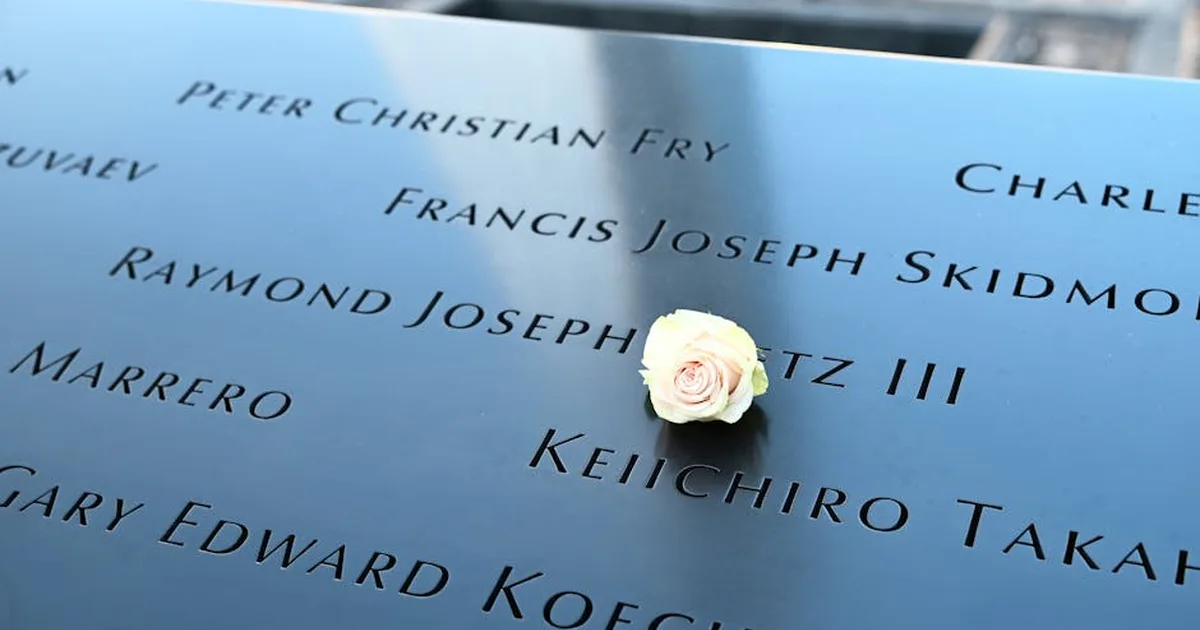
Pope Leo XIV's words from that time remain highly relevant today. They remind us that Christians, in times of crisis, should not follow the cry for revenge but the example of Jesus Christ, who teaches us to love our enemies and pray for those who persecute us.
The Biblical Call to Peace
The Bible repeatedly speaks of the importance of peace. In the Old Testament we read: "Seek peace and pursue it" (Psalm 34:14, NIV). Jesus himself says in the Sermon on the Mount: "Blessed are the peacemakers, for they will be called children of God" (Matthew 5:9, NIV). The apostle Paul exhorts the church in Rome: "Do not be overcome by evil, but overcome evil with good" (Romans 12:21, NIV).
These words are not just pious ideals but concrete instructions for Christian living. Pope Leo XIV made this clear in his sermon: retaliation does not lead to lasting peace but only creates more violence. Instead, Christians are called to build bridges of reconciliation and promote peace in their surroundings.
The Importance of Forgiveness
A central aspect of the Christian message of peace is forgiveness. Jesus teaches us in the Lord's Prayer: "Forgive us our debts, as we also have forgiven our debtors" (Matthew 6:12, NIV). Forgiveness is not easy, especially when the wrong suffered is great. Yet it is the only way to break the cycle of violence and retaliation.
Pope Leo XIV emphasized in his sermon that true strength lies not in retaliation but in the ability to forgive. This follows the example of Jesus, who prayed on the cross for his tormentors: "Father, forgive them, for they do not know what they are doing" (Luke 23:34, NIV).
Forgiveness as an Act of Liberation
Forgiveness not only frees the other person but also ourselves. When we hold on to resentment and bitterness, we become trapped. By forgiving, we open ourselves to God's peace and become free to live in love and reconciliation. The apostle Paul writes: "Bear with each other and forgive one another if any of you has a grievance against someone. Forgive as the Lord forgave you" (Colossians 3:13, NIV).
The Role of the Church in Times of Conflict
The Church, as a community of believers, is called to be a sign of peace in the world. In times of war and terror, it is called to speak prophetically and point the way of nonviolence. Pope Leo XIV did this in his sermon, setting a powerful example.
The Church can also help concretely by creating spaces for encounter and dialogue where reconciliation becomes possible. It can work for justice and support victims of violence. At the same time, it must constantly remember the message of Jesus, which is a message of peace.
Practical Application for Today
What can we learn from Pope Leo XIV's sermon for our own lives? First, we are called to promote peace in our personal circles. This may mean not letting conflicts at home or work escalate but seeking solutions. It also involves being willing to forgive, even when it is difficult. Peace begins with small gestures: a kind word, a gesture of reconciliation, a prayer for those who have hurt us. As Christians, we are called to be instruments of peace in a world often divided by hatred and violence.



Comments