
In many churches today, it's easy to feel the pull toward age-segregated ministry. Children head to their own classrooms, teens gather in youth groups, and adults attend separate studies. While these ministries have value, something precious can get lost: the natural, life-giving connections between generations. When we separate by age, we risk creating a church that mirrors the world's tendency to isolate young and old into their own bubbles.
But the Bible paints a different picture. In the Old Testament, the community of faith gathered together—young and old, men and women—to hear God's Word and celebrate His faithfulness. Deuteronomy 31:12 says, “Assemble the people—men, women, and children, and the foreigners residing in your towns—so they can listen and learn to fear the Lord your God and follow carefully all the words of this law” (NIV). This vision includes everyone, not just one age group.
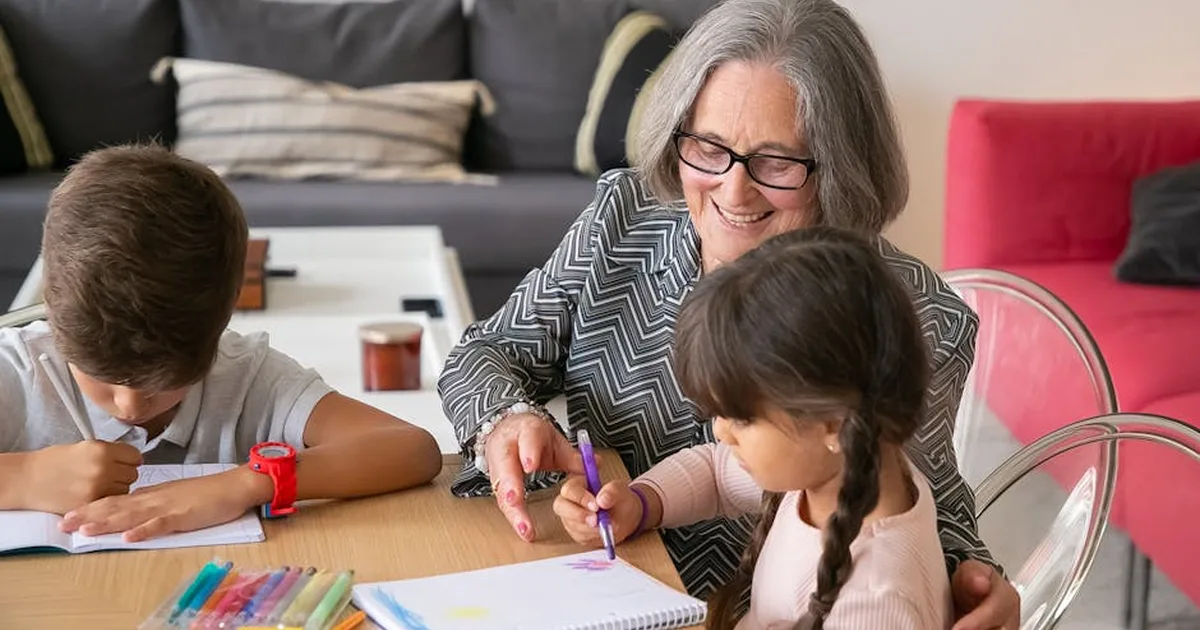
When children interact with older believers, they gain more than just a friendly face. They learn patience, wisdom, and the reality of a faith that has weathered decades of joys and trials. In turn, older adults receive a fresh sense of purpose and joy as they invest in the next generation. This mutual blessing is a beautiful picture of the body of Christ functioning as it should.
How Intergenerational Friendships Shape Faith in Kids
Learning Faith Through Relationship, Not Just Lessons
Children learn best through relationships. While Sunday school lessons are important, a child's faith is often shaped more by the adults who genuinely care about them. When a retired man takes time to teach a boy how to make coffee or a grandmotherly figure asks about school, the child experiences God's love in a tangible way. These small acts of attention say, “You matter to me, and you matter to God.”
Scripture encourages this kind of mentoring. Titus 2:3-5 instructs older women to “teach what is good” and to “train the younger women” in godly living. Similarly, older men are called to be examples. While these verses address specific roles, the principle extends to all believers: we are to invest in those who are younger in the faith.
For a child, having a church grandparent means having a safe adult who is not their parent. This relationship provides a unique space for questions, struggles, and growth. It also helps children see that faith is not just for their parents' generation but for all ages.
Breaking Down Walls of Age Segregation
Our culture often segregates by age: schools for kids, workplaces for adults, retirement communities for seniors. This separation can make it hard for children to know how to relate to older adults, and vice versa. Church can be the place where those walls come down. When we intentionally create opportunities for different generations to mix, we model the unity of the body of Christ.
Consider what happens when a child serves alongside an older adult on a church workday or when a teen helps a senior with technology. These moments build understanding and respect. The child learns that older people have wisdom and humor; the older adult learns that young people are capable and kind. Such interactions are not just nice—they are formative for both parties.
Practical Ways to Foster Cross-Generational Connections
Start with Simple Hospitality
One of the easiest ways to begin is by inviting older adults to be part of children's ministries—not just as teachers, but as helpers, listeners, and friends. A retired couple might sit in the back of a Sunday school class, offering a smile or a listening ear. A grandfatherly figure could help with crafts or read stories. These small roles can make a big difference.
Churches can also plan intergenerational events that are low-pressure and fun. A “grandparents' day” during worship, a potluck where families sit with seniors, or a service project that pairs young and old can build natural bonds. The goal is not to force relationships but to create environments where they can grow.
Encourage Families to Include Older Adults
Families can take initiative too. If you have a child who is shy or struggling, consider asking an older church member to pray for them regularly or to send a note of encouragement. Many older adults have time and a desire to invest but don't know how to start. A simple invitation can open the door.
Parents can also model respect and appreciation for older believers. When children see their parents listening to an older person's story or asking for advice, they learn to value the wisdom of age. The church kitchen, the fellowship hall, or even the parking lot can become places of connection.
The Biblical Mandate for All Ages Together
Psalm 145:4 declares, “One generation commends your works to another; they tell of your mighty acts” (NIV). This is the heartbeat of intergenerational discipleship. The faith is passed down not primarily through programs but through relationships. When older believers tell of God's faithfulness to younger ones, the gospel becomes a living story, not just ancient history.
In the New Testament, the church is described as a family—brothers, sisters, fathers, mothers. This family includes all ages. When we relegate children to their own spaces, we lose the richness of that family dynamic. But when we intentionally bring generations together, we reflect the reality that we are all part of one household of faith.
As you consider your own church community, ask yourself: Are there opportunities for my child to know an older believer? Am I willing to step out and be a church grandparent to someone else's child? The investment is small, but the eternal impact is immense.
“One generation commends your works to another; they tell of your mighty acts.” — Psalm 145:4 (NIV)
Reflection: This week, think of one older person in your church family who might welcome a connection with a child. Pray for that relationship, and look for a simple way to start a conversation. You might be surprised at the joy it brings to both generations.





Comments