
Amid a renewed interest in the Christian faith in many parts of the world, the Church faces a reality that concerns pastors and laypeople alike: there are fewer and fewer priests to serve communities. While some regions show signs of hope—like more young people seeking to know God—the number of men responding to the call to priestly ministry continues to decline. This situation isn't new, but it has become more evident in recent years.
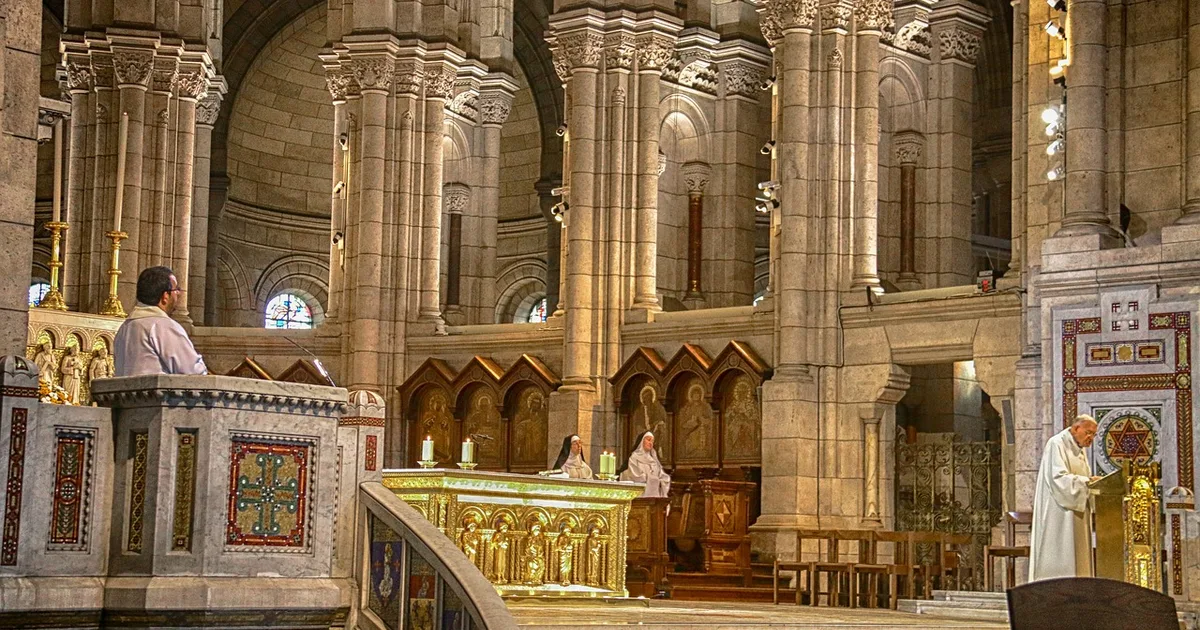
According to recent data, seminary enrollment has dropped steadily. This doesn't mean faith is disappearing, but that the Church needs to rethink how it accompanies and fosters vocations. As Christians, we all have a role to play in supporting those God is calling.
The Numbers Behind the Reality
The Center for Applied Research in the Apostolate (CARA) at Georgetown University has been tracking Catholic seminaries since 1967. Their latest report, from fall 2025, shows a trend that can't be ignored: the number of students in college and graduate seminaries has decreased significantly over the past decades.
For example, in the 1967-1968 academic year, there were more than 48,000 seminarians in the United States. By 2025, that number had dropped to fewer than 4,500—a decline of over 90%. Although the Catholic population has grown, the number of priests hasn't kept pace. Many dioceses now have to merge parishes or reduce the frequency of Masses.
This shortage isn't limited to one country; it's a global phenomenon. However, there are places where vocations are flourishing, such as in parts of Africa and Asia. This reminds us that God is still calling, but cultural and social circumstances influence the response.
Factors Contributing to the Decline
Several elements contribute to this crisis. The secularization of society, the emphasis on individualism, and the lack of family support for vocations are among them. Additionally, the sexual abuse scandal in the Church has damaged trust and discouraged many young people from considering the priesthood.
There's also a shift in how the role of the priest is perceived. In a world that values material success and autonomy, the call to service and self-denial can seem unappealing. Yet the Bible reminds us that the path of following Jesus isn't always easy, but it is deeply meaningful.
"Then Jesus said to his disciples, ‘Whoever wants to be my disciple must deny themselves and take up their cross and follow me.’" (Matthew 16:24, NIV)
The Church's Response: Hope and Action
Despite the numbers, all is not discouragement. Many dioceses are implementing programs to foster vocations, such as spiritual retreats, discernment groups, and personalized accompaniment. There's also a renewed emphasis on praying for vocations and on lay involvement in the life of the Church.
Pope Leo XIV, since his election in May 2025, has called on the whole Church to redouble efforts in vocational promotion. In one of his first messages, he said: "Every community should be a seedbed of vocations, where young people can hear God's voice and feel supported to respond."
There are also initiatives like the "Week of Prayer for Vocations" celebrated in many parishes. The faithful are invited to pray for seminarians and for those discerning their call.
The Role of the Laity
Priests aren't the only ones responsible for promoting vocations. Every baptized Christian can contribute. Parents, for example, can create a home environment where faith is lived and the call to ministry is respected. Parish communities can offer opportunities for young people to serve and discover their gifts. And all of us can pray—and speak—encouraging others to consider if God is calling them.
The crisis of priestly vocations is a challenge, but also an invitation. It invites us to trust that God continues to call workers for his harvest. And it reminds us that the Church is not just the clergy, but the entire people of God, walking together in faith.




Comments