
In our Christian family, there are moments when silence can speak louder than any discourse. Recently, many brothers and sisters in faith have expressed concern about how the Church responds to painful situations, especially those involving abuse allegations. As a community of believers, we know that truth and justice are fundamental pillars of our walk with Christ.
A Case That Challenges the Entire Community
In the current ecclesial context, much has been said about the process related to Marko Rupnik, a former priest and artist whose works decorate numerous sacred spaces. What concerns many is the lack of clear information about how the investigation is progressing and what measures are being taken to support those who have been affected.
Pope León XIV, who assumed the papacy in May 2025 following the passing of Pope Francis, has repeatedly emphasized the importance of transparency and pastoral care. In his message during last month's general audience, he stated: "The Church must be a house with open doors, where everyone finds welcome and where truth never fears the light."
Art and Pastoral Responsibility
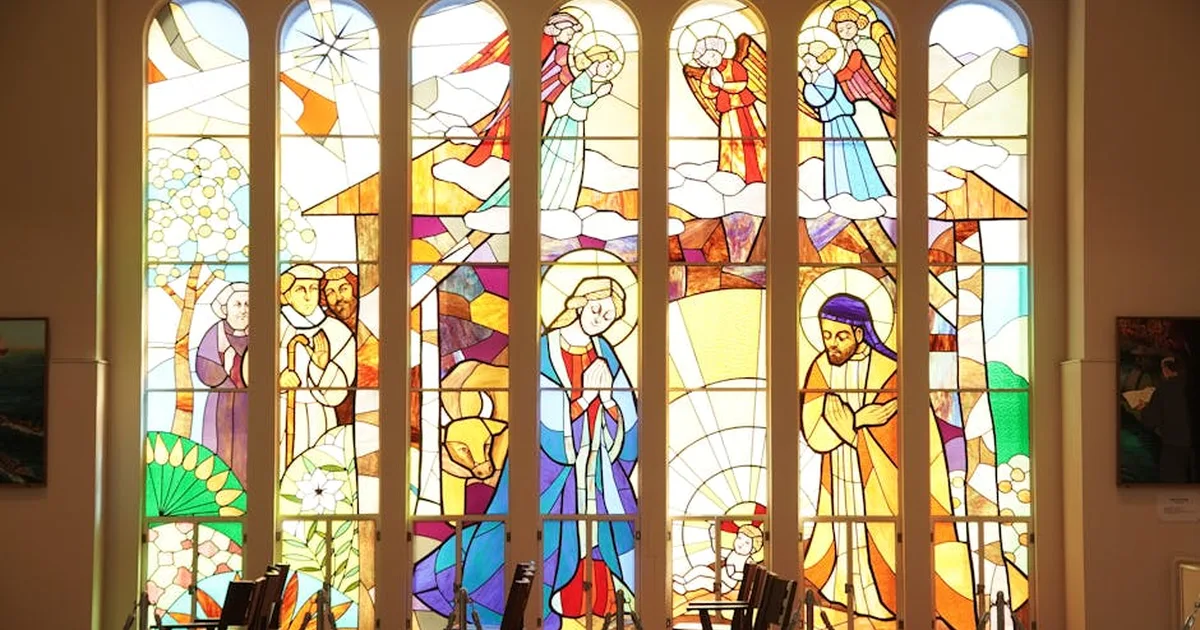
A particularly complex dimension of this situation is the fate of the artistic works created by Rupnik that are found in over two hundred sanctuaries worldwide. These biblical representations have been a source of inspiration for many faithful, but are now overshadowed by the accusations against their creator.
Some episcopal conferences have begun to reflect publicly on this dilemma: How do we value religious art when its author is involved in serious accusations? What message do we send to victims when we keep these works in places of worship?
What the Bible Teaches Us About Truth and Justice
Scripture offers us wisdom for times like these. The prophet Isaiah reminds us: "Woe to those who call evil good and good evil, who put darkness for light and light for darkness, who put bitter for sweet and sweet for bitter!" (Isaiah 5:20, ESV). This verse alerts us to the importance of calling things by their proper name and not confusing right with wrong.
Jesus himself taught us the importance of transparency when he said: "For nothing is hidden that will not be made manifest, nor is anything secret that will not be known and come to light" (Luke 8:17, ESV). These words invite us to trust that truth will always be revealed, and challenge us to be communities where nothing is hidden for convenience.
"So whatever you wish that others would do to you, do also to them, for this is the Law and the Prophets" (Matthew 7:12, ESV).
The Path of Repair and Healing
The Society of Jesus, from which Rupnik was expelled several years ago, has publicly acknowledged the need for a process of reparation. In recent statements, their representatives have mentioned commitments to:
- Listen attentively to those who have felt violated
- Offer psychological and spiritual accompaniment
- Review prevention protocols
- Work toward restorative justice
These steps, though delayed as some acknowledge, represent a movement toward healing that the entire Church can learn from.
Our Responsibility as a Christian Community
As members of Christ's body, we have a role to play in these processes. It's not just about what church authorities do or don't do, but about how we, as a community, respond to the pain of our brothers and sisters.
The apostle Paul exhorts us: "Rejoice with those who rejoice, weep with those who weep" (Romans 12:15, ESV). This call to active compassion is especially relevant when we face situations of abuse within our community. Our response must always come from love and truth, seeking justice and healing for all affected.
The path toward transparency and healing is not easy, but it is necessary for the Church to continue being a place of encounter with God and with one another. As Pope León XIV reminds us, we must build a Church with open doors, where truth shines and where everyone finds welcome and comfort.





Comments