
In the village of Debel, in southern Lebanon, a statue representing Christ was recently damaged by a soldier. This event, occurring in a context of regional tensions, has provoked deep emotion within the local Christian community and beyond. The circulated images show an act of violence directed against a religious symbol cherished by millions of believers worldwide.
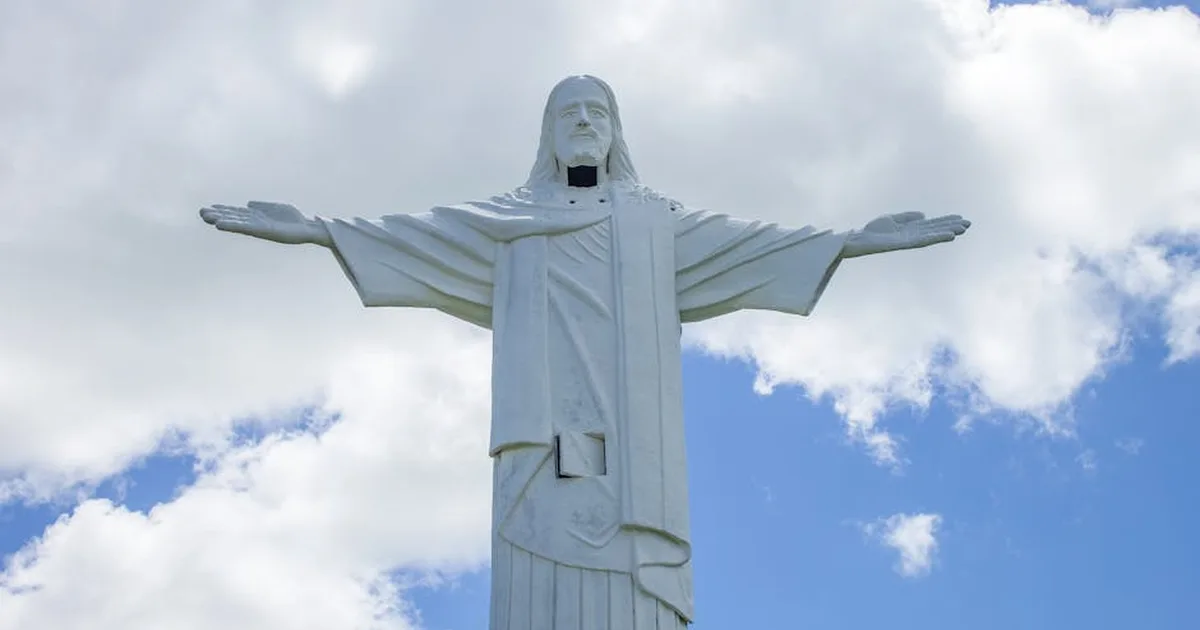
Local authorities, represented by municipal president Aql Naddaf, have expressed their difficulty in accessing the site to assess the damage, as the area is under military control. This forced distance adds to the distress of a community deprived of the possibility of tending to a place of devotion.
Faced with this situation, it falls to us as Christians to reflect on the profound meaning of our symbols and how we respond to their desecration. The apostle Paul reminds us in his letter to the Romans:
"Do not repay anyone evil for evil. Be careful to do what is right in the eyes of everyone." (Romans 12:17, NIV)This word guides our attitude toward events that might provoke anger.
Official Responses and Universal Condemnation
Israeli authorities reacted quickly to the circulation of the images. The army confirmed the authenticity of the photographs and promised sanctions against those involved. In a statement, it described this act as "contrary to the values expected of its fighters" and assured that it had no intention of targeting religious structures or symbols.
Foreign Minister Gideon Sa'ar apologized on behalf of his country, declaring on social media that this was a "shameful act" completely contrary to Israeli values. He added that strict measures would be taken against those responsible for this "despicable act."
Prime Minister Benjamin Netanyahu also expressed his dismay, stating he was "shocked and saddened" by the news. He firmly condemned the act and recalled that "the Christian population in Israel thrives unlike what happens elsewhere in the Middle East." These official statements testify to a recognition of the incident's gravity.
The Ecumenical Dimension of the Offense
This event affects all of Christendom, beyond denominational divisions. Whether Catholic, Protestant, Orthodox, or other Christian traditions, the representation of Christ holds a special place in popular piety and artistic tradition. The desecration of such an image wounds the religious sensitivity of all who see Jesus as the Son of God.
Pope León XIV, in his recent apostolic exhortation, emphasized the importance of mutual respect among religions and the protection of places of worship. His predecessor, Pope Francis, whom we honor in memory since his passing in April 2025, often insisted on human fraternity and interreligious dialogue.
In this context, it is essential to remember that religious symbols are not mere objects but carry deep spiritual meaning for those who venerate them. As Scripture reminds us:
"Don't you know that you yourselves are God's temple and that God's Spirit dwells in your midst? If anyone destroys God's temple, God will destroy that person; for God's temple is sacred, and you together are that temple." (1 Corinthians 3:16-17, NIV)
Biblical Perspectives on Respect for the Sacred
The Bible offers several teachings concerning the respect due to what is consecrated to God. In the Old Testament, the commandment "You shall not make for yourself an image in the form of anything in heaven above or on the earth beneath or in the waters below" (Exodus 20:4, NIV) establishes a fundamental principle about reverence toward the divine. However, in the New Testament, Jesus teaches us that true worship goes beyond physical objects, focusing on the attitude of the heart.
As a Christian community, we are called to respond with grace even in the face of offense. Jesus' example on the cross, forgiving those who crucified him, shows us the way of love that overcomes hatred. Our response to desecration should reflect this spirit of forgiveness and Gospel witness, always seeking reconciliation and understanding.
In moments like these, we remember that our identity as Christians does not depend on external symbols but on our relationship with the living Christ. Symbols aid our devotion, but true faith resides in the heart transformed by the Holy Spirit.





Comments