
In the streets of Rouen, a municipal decision is sparking deep reflection among Christian communities. The Church of St. Nicaise, whose origins date back to the 7th century, is preparing for a radical transformation: from a place of prayer and spiritual gathering, it will soon become a space for dining and secular fellowship. This change raises questions about our relationship with historic religious buildings and their meaning in the contemporary urban landscape.
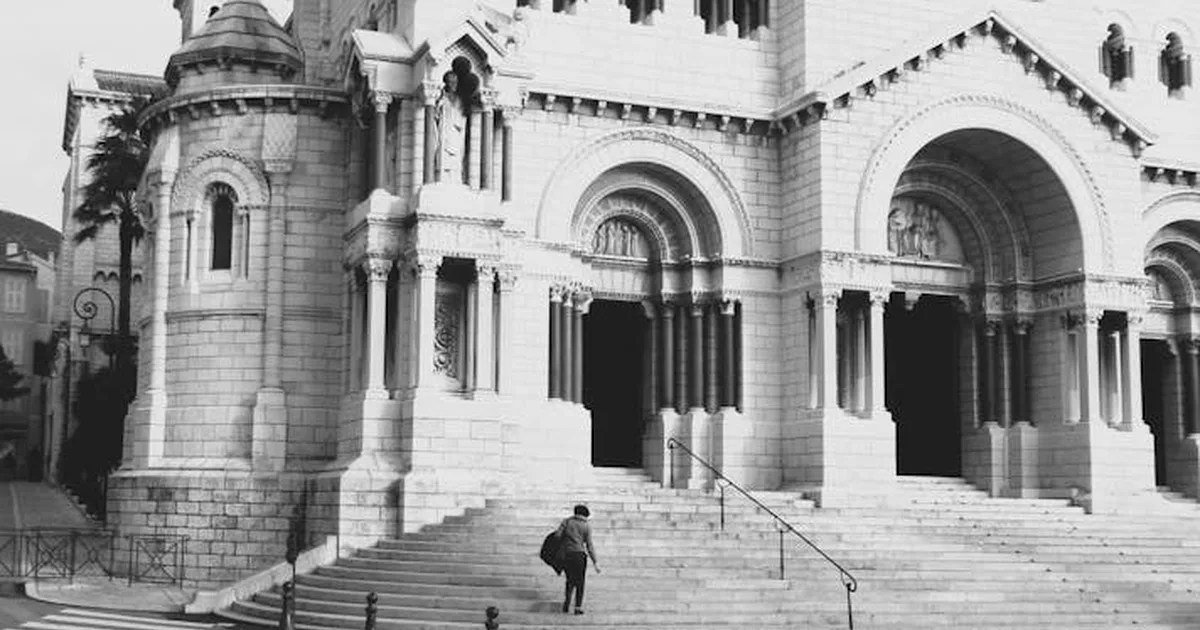
The history of this sanctuary is intimately connected to that of the Norman city. Originally founded by Saint Owen to house precious relics, the church has endured through centuries as a living witness to Christian faith. It survived the Wars of Religion, architectural transformations, and the challenges of time, always maintaining its original purpose of welcoming believers seeking God.
The Book of Acts reminds us of the importance of gathering places for the early community:
"They devoted themselves to the apostles' teaching and to fellowship, to the breaking of bread and to prayer." (Acts 2:42, NIV)This essential communal dimension is now being questioned by the building's new purpose.
Between Historical Memory and Contemporary Realities
The architecture of St. Nicaise bears visible marks of its turbulent history. After the devastating fire of 1934, reconstruction incorporated modern techniques of the time, including the use of reinforced concrete by architects Pierre Chirol and Émile Gaillard. Reopened for worship in 1940, the church continued its mission for several decades before structural problems led to its closure to the public in 2006.
The official deconsecration in 2017 opened the way for reflection on the building's future. As the apostle Paul notes:
"Don't you know that you yourselves are God's temple and that God's Spirit dwells in your midst?" (1 Corinthians 3:16, NIV)This word invites us to consider that the divine presence isn't limited to stone walls, but resides first in believers' hearts.
The transfer of the 17th-century grand organ to the Church of the Holy Spirit in Paris symbolizes this transition. The instrument, witness to a rich liturgical musical tradition, will find new life in another sanctuary, thus preserving valuable artistic heritage for future generations.
The Challenges of Preserving Religious Heritage
The transformation of deconsecrated churches raises complex questions that go beyond Rouen's particular case. How do we reconcile respect for the past with present needs? How do we preserve a place's spiritual memory while giving it contemporary social utility? These questions resonate in many cities where historic religious buildings require considerable investment for maintenance.
The prophet Haggai reminds us of the importance of prioritizing what matters:
"Go up into the mountains and bring down timber and build my house, so that I may take pleasure in it and be honored," says the Lord. (Haggai 1:8, NIV)This invitation to build and maintain what honors God remains completely relevant today.
Several approaches coexist in facing this challenge:
- Cultural reconversion (libraries, exhibition halls)
- Transformation into multipurpose community spaces
- Partial preservation with integration of new functions
- Seeking solutions that maintain a spiritual dimension
Ecumenical Perspectives and a Hopeful Outlook
In this context, the Catholic Church's position,





Comments