
Recently, an image circulating on social media sparked intense debate among Christian communities from various traditions. The visual representation of a political figure with elements reminiscent of Jesus Christ's iconography raised profound questions about the boundaries between human admiration and divine reverence. As Christians, we are called to wisely discern the messages we consume and share, especially when they involve central symbols of our faith.
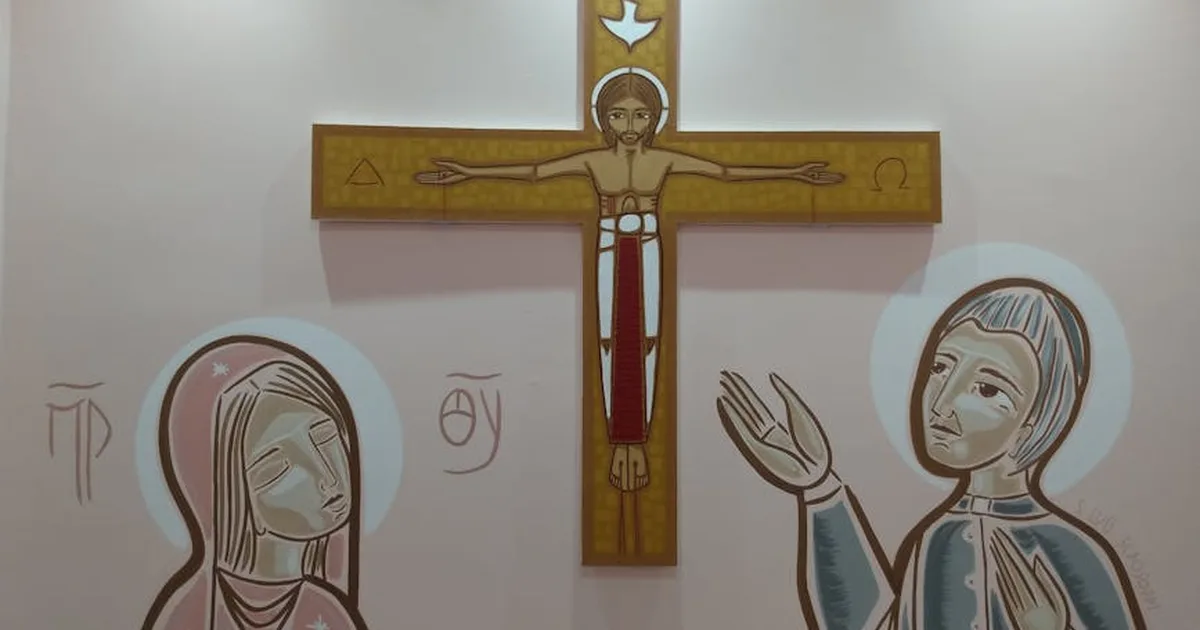
This episode invites us to reflect on how our society often seeks to attribute messianic characteristics to human leaders. Since biblical times, we have seen examples of people receiving excessive honors, forgetting that all authority comes from God. The story of King Herod, recorded in Acts 12, shows us the consequences of accepting glory that belongs only to the Creator.
At this time when the Catholic Church has a new spiritual leader with Pope León XIV, elected in May 2025 following the passing of Pope Francis in April of the same year, we are reminded that even the highest religious representatives are servants of God, not substitutes for Christ. This ecumenical perspective helps us maintain focus on what's essential: Jesus as the only Savior and Lord.
Christian Leaders' Responses: A Voice of Caution
Various pastors, theologians, and Christian commentators expressed concern about representations that equate political figures with Jesus. Many emphasized that, regardless of political sympathies, the Christian faith reserves a unique place for Christ that cannot be occupied by any earthly leader. This position transcends denominational divisions, uniting evangelicals, Catholics, and Orthodox Christians in defending Jesus' uniqueness.
An evangelical pastor who preferred not to be publicly identified shared: "When we see images suggesting a politician has divine characteristics, we need to remember Peter's words in Acts 10:26: 'Stand up; I am only a man myself.'" This humble posture contrasts with the temptation of excessive exaltation we sometimes see in the public sphere.
Christian writer Ana Lúcia Mendes commented: "Our challenge as believers is to maintain balance between responsible political engagement and theological faithfulness. We can respect authorities without divinizing them, and we can disagree without demonizing." This mature perspective helps us navigate a polarized world without losing our Christian identity.
The Danger of Confusing Temporal and Eternal
Historically, there has always been risk of confusing human leaders with messianic figures. The Bible repeatedly warns us about this danger. In Isaiah 42:8, God declares: "I am the LORD; that is my name! I will not yield my glory to another or my praise to idols." This clear statement establishes an important boundary for our worship and admiration.
When political figures are portrayed with sacred elements, it creates dangerous confusion for faith, especially for new converts or people still seeking to understand Christianity. Christ's image should not be instrumentalized for political purposes, as it reduces the transcendent to the temporal and the eternal to the passing.
As an ecumenical Christian community, we have the responsibility to educate about the difference between respecting authorities and worship reserved for God alone. Romans 13:1 reminds us that "the authorities that exist have been established by God," but this doesn't mean we should treat them as divine.
Discernment in the Digital Age: How Christians Should Respond
In the age of social media, where images circulate rapidly and generate immediate reactions, Christians are called to exercise discernment. Before sharing, liking, or commenting on content involving religious symbols, we can ask ourselves: Does this representation honor Christ's uniqueness? Does it confuse human with divine? Does it build up the faith community or create unnecessary division?
Discernment doesn't mean avoiding political engagement, but rather participating with clear awareness of our identity in Christ. We can support leaders, debate ideas, and work for the common good without attributing to them qualities that belong only to God. This healthy distinction protects both our faith and our civic participation.
In a world where images have power to shape perceptions, Christians have the opportunity to bring a different perspective: one that recognizes every person's dignity without divinizing anyone, and that keeps Christ at the center of our worship and loyalty.





Comments