
In our daily lives, we encounter news, conversations, and situations that seem determined to convince us that death has the final word. From personal losses to global tragedies, there's a cultural current that normalizes hopelessness and invites us to accept suffering as the end of the road. As Christians, we know our faith offers a radically different perspective.
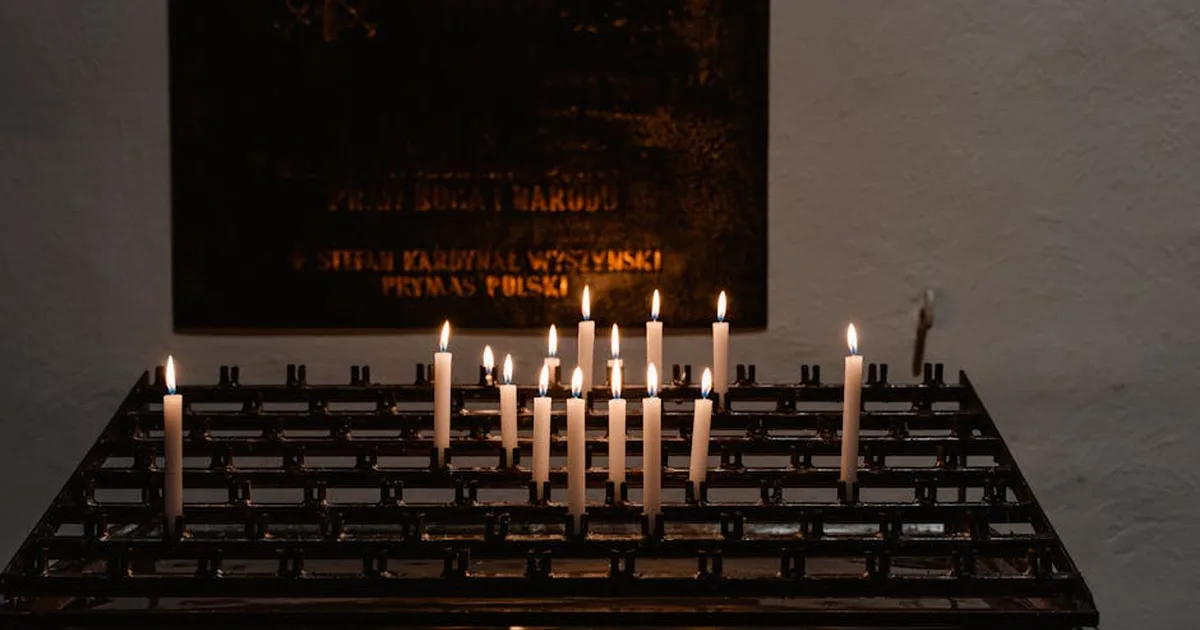
I recall a recent conversation where someone shared their deep sadness about a loved one's illness. "It feels like everything ends here," they said with a trembling voice. In that moment, I felt the urgency to remind them that our faith doesn't deny pain, but transforms it with the light of resurrection. The apostle Paul encourages us in his letter to the Romans: "For to me, to live is Christ and to die is gain" (Philippians 1:21, NIV).
The Culture of Death Versus the Culture of Life
What do we mean when we talk about a "culture of death"? It's not just about the most obvious manifestations, but about those attitudes that steal our joy of living fully. It's that inner voice telling us it's not worth dreaming, convincing us that selfishness is wisdom, or making us believe materialism can fill our existential emptiness.
In response to this reality, Pope Leo XIV, in his early teachings following his election in May 2025, has reminded us of the importance of building a "culture of encounter" where every person is valued in their intrinsic dignity. His message resonates with Jesus' words: "I have come that they may have life, and have it to the full" (John 10:10, NIV).
The true culture of life begins when we recognize that every human being is created in God's image and likeness. This completely transforms how we relate to others, especially those who are suffering, the elderly, the unborn, migrants, and all those society tends to marginalize.
Stories That Light the Way
In my community, I know Mary, a woman who lost her husband two years ago. Instead of letting grief overcome her, she decided to create a support group for other widows. "I discovered my suffering had meaning when I could walk with others in their pain," she recently shared with me. Her story is a beacon in the darkness.
There's also the case of St. Luke's parish, which started a program to accompany families in crisis situations. They don't just offer material help, but especially presence and listening. The pastor told me: "When a person feels truly loved, they regain hope and find strength to move forward."
Christian Hope: Our Compass in Confusing Times
In a world where moral relativism tries to convince us there are no absolute truths, Christian hope stands as a firm anchor. It's not superficial optimism based on favorable circumstances, but a deep certainty born from faith in the risen Christ. As Peter tells us in his first letter: "Praise be to the God and Father of our Lord Jesus Christ! In his great mercy he has given us new birth into a living hope through the resurrection of Jesus Christ from the dead" (1 Peter 1:3, NIV).
This living hope manifests in many concrete ways:
- In the ability to forgive even when resentment seems justified
- In the decision to love when hatred would be easier
- In the courage to defend life when others prefer to look away
- In the perseverance to build peace where there is conflict
Christian hope doesn't distance us from reality, but gives us the right lenses to see it with depth. It allows us to recognize evil without being overcome by it, and to see God's presence even in the darkest valleys. This hope isn't passive—it's active, transforming how we live, relate, and contribute to building God's kingdom here and now.





Comments