
You may have had intense moments in your Christian walk—tears, indescribable joy, a peace that surpasses all understanding. Those experiences are beautiful and can be genuine works of the Holy Spirit. But what happens when we begin to measure our spirituality by the intensity of those emotions? Paul faced a similar problem in the church of Galatia, where some believers were turning back to external works to feel accepted by God.
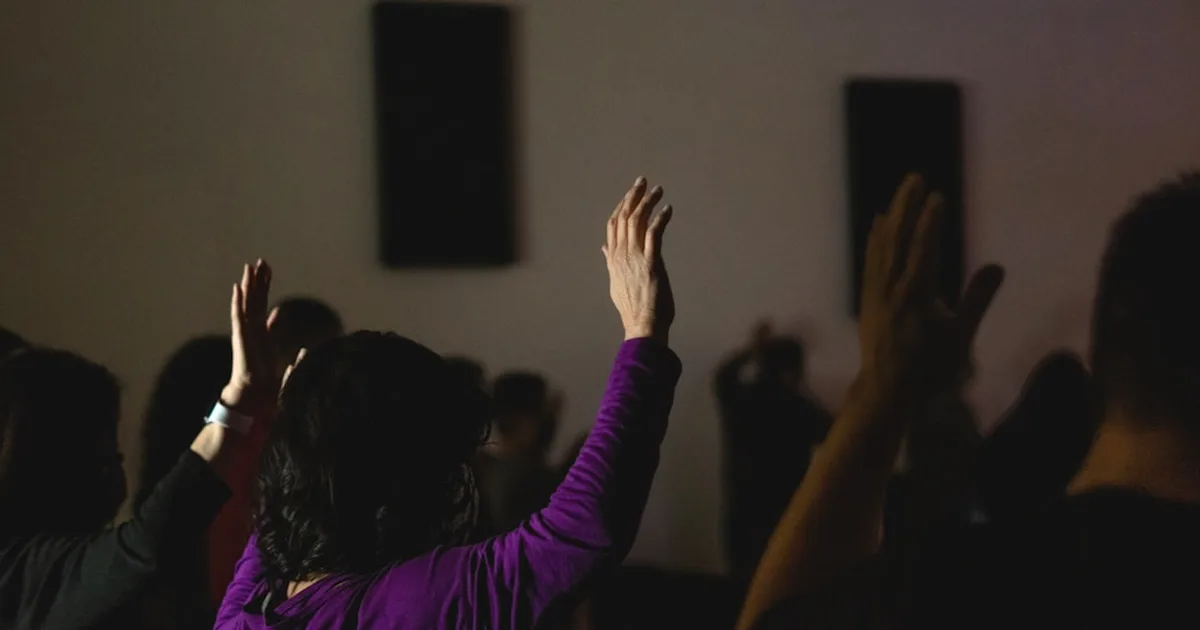
In Galatians 3:2–5 (NIV), Paul asks them: “Did you receive the Spirit by the works of the law, or by believing what you heard? Are you so foolish? After beginning by means of the Spirit, are you now trying to finish by means of the flesh?” This same question resonates today in many Christian communities, especially where the supernatural is almost sought as an obligation.
“Did you receive the Spirit by the works of the law, or by believing what you heard?” — Galatians 3:2 (NIV)
Christian Freedom Is Not a Show
When Paul wrote to the Galatians, his heart was troubled because he saw they were being enslaved again, but this time under the guise of spirituality. Something similar can happen today: we seek signs, tongues, falling to the ground, or prophecies as if they were requirements to validate our faith. Yet the apostle is clear: true freedom in Christ is not demonstrated by performances, but by the fruit of the Spirit—love, joy, peace, patience, kindness, goodness, faithfulness, gentleness, and self-control (Galatians 5:22–23).
Do not misunderstand: spiritual gifts are real and necessary. But when they become the center of attention, we risk putting our trust in experience rather than in the person of Jesus Christ. The Holy Spirit did not come to be displayed, but to glorify Jesus and guide us into all truth (John 16:13–14).
How to Distinguish Between a Work of the Spirit and a Human Emotion?
It is not always easy. But the Bible gives us clear criteria. First, every manifestation of the Spirit must build up the church and not cause confusion (1 Corinthians 14:33). Second, it must be in harmony with Scripture; the Spirit never contradicts himself. Third, it must produce humility, not spiritual pride. If an experience leads you to feel superior to other believers, it probably does not come from God.
The True Pentecost of the Heart
Acts 2 narrates the day of Pentecost, when the Holy Spirit descended with power. But notice something important: it was not a spectacle to satisfy the crowd's curiosity. It was an outpouring that empowered the disciples to proclaim the gospel boldly and to live in community, sharing everything they had. The result was that “the Lord added to their number daily those who were being saved” (Acts 2:47).
Today, the Holy Spirit continues to work, but his main work is transforming lives into the image of Christ. It is not about having an emotional experience every Sunday, but about walking in daily obedience. The question is not “Did you fall to the ground?” but “Are you loving your neighbor as yourself?” It is not “Do you speak in tongues?” but “Are you using your gifts to serve others?”
“You, however, are not in the realm of the flesh but are in the realm of the Spirit, if indeed the Spirit of God lives in you.” — Romans 8:9 (NIV)
Back to Grace
If at any point you have felt that your spiritual life depends on how exciting your worship experience is, I invite you to pause. God's grace is not based on your feelings, but on the finished work of Christ on the cross. You can have a “dry” Sunday and still be firmly in the faith. What matters is your trust





Comments