
For many Christians, the decision to participate in a public protest can feel like a moral tightrope. On one hand, Scripture is filled with calls to stand up for justice, speak out against oppression, and care for the marginalized. On the other, we are also instructed to respect authority, pursue peace, and trust in God's ultimate sovereignty. How do we know when God is calling us to take a public stand—and when He is asking us to wait, pray, and act in quieter ways?
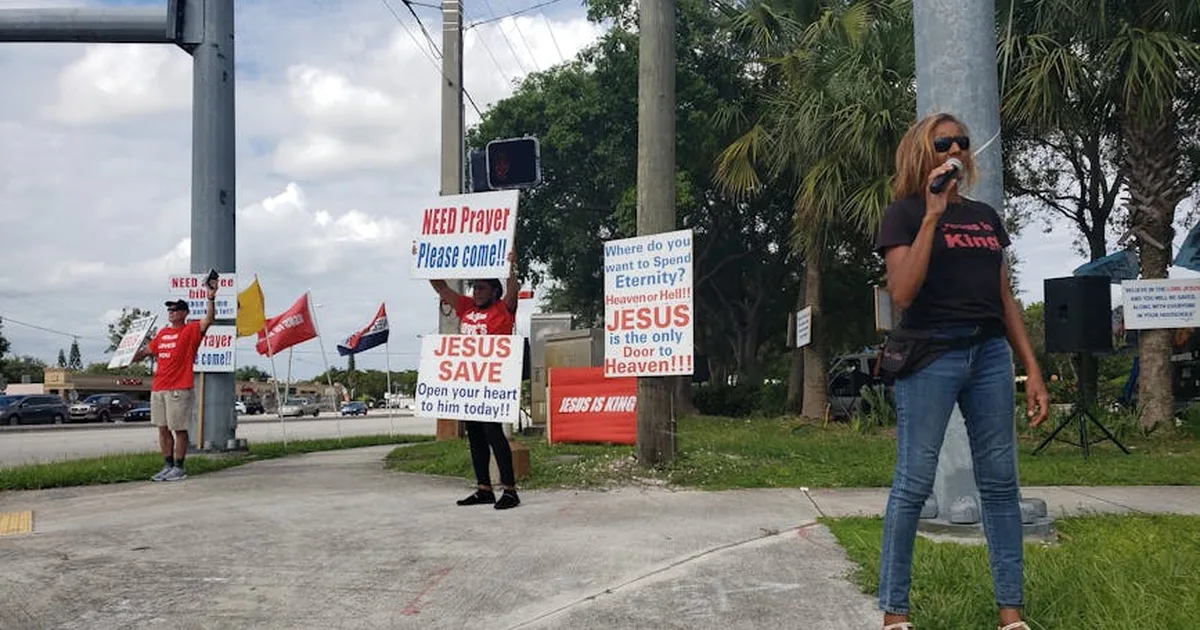
This tension is not new. Throughout church history, believers have wrestled with how to faithfully engage with the powers of their day. From the early Christians who refused to worship Caesar to the modern-day activists who march for racial equality or environmental stewardship, the question remains: When does faith require us to protest?
Learning from a Life of Faithful Witness
Consider the example of actor Martin Sheen, a devout Catholic who has been arrested more than 70 times for nonviolent protests. For Sheen, his faith is not separate from his activism—it is the very foundation. He once said, “The gospel is not a passive thing. It's a call to action.” Sheen's participation in protests against nuclear weapons, war, and poverty stems from his belief that following Jesus means standing with the poor and challenging systems of violence.
But Sheen also emphasizes the importance of discernment. He doesn't protest for the sake of protesting. Each action is preceded by prayer, study, and consultation with spiritual advisors. This model offers a powerful lesson: Christian protest should never be impulsive or driven by anger alone. Instead, it should flow from a deep, prayerful relationship with God and a genuine love for neighbor.
“For we do not wrestle against flesh and blood, but against the rulers, against the authorities, against the cosmic powers over this present darkness, against the spiritual forces of evil in the heavenly places.” (Ephesians 6:12, ESV)
This verse reminds us that our ultimate battle is not against people or political systems, but against spiritual forces. Protest, then, is not about winning an argument or defeating an enemy—it is about bearing witness to the truth of God's kingdom in a broken world.
Biblical Foundations for Public Witness
The Bible is filled with examples of God's people engaging in acts of prophetic protest. Moses stood before Pharaoh and demanded, “Let my people go.” The prophet Nathan confronted King David about his sin with Bathsheba. John the Baptist called out Herod's immorality, even at the cost of his freedom. And Jesus himself overturned the tables of the money changers in the temple, a dramatic act of nonviolent protest against religious corruption.
These stories show that God often calls His people to speak truth to power. But they also show that such actions require courage, humility, and a clear sense of divine direction. The goal is not to create chaos, but to align our lives with God's justice and mercy.
Discernment in Action: Questions to Ask
Before joining a protest or organizing an action, it is wise to ask yourself some key questions:
- Is this issue clearly connected to biblical principles of justice, mercy, or human dignity? Not every political cause is a matter of faith. Focus on issues where Scripture speaks clearly, such as care for the poor, protection of the vulnerable, and peacemaking.
- Have I prayed about this? Am I acting out of love or anger? Prayer helps us examine our motives. If anger or pride is driving us, it may be wise to step back and seek God's heart first.
- Am I willing to suffer for this cause without becoming bitter? Christian protest often involves personal cost—ridicule, arrest, or loss of reputation. Jesus calls us to take up our cross and follow Him, not to seek comfort.
- Is this action likely to build up or tear down? Our witness should aim to bring people closer to Christ, not push them away. Even in confrontation, we are called to speak the truth in love.
The Role of the Church in Times of Injustice
The church has a unique role to play in society. We are called to be a “city on a hill” and “salt of the earth” (Matthew 5:13-14). This means that our collective witness matters. When the church speaks out against injustice, it can be a powerful force for change. But when the church remains silent, it can be complicit in evil.
History shows that the most effective Christian movements for social change have been rooted in deep prayer and community. The civil rights movement in the United States, led by figures like Dr. Martin Luther King Jr., was grounded in the black church's tradition of prayer, Scripture, and nonviolent resistance. King often said that his goal was not to defeat white people, but to redeem the soul of America through love and truth.
When Not to Protest
Discernment also means knowing when not to protest. Not every injustice requires a public demonstration. Sometimes God calls us to work quietly behind the scenes—serving the poor, building relationships, or praying in secret. Other times, we may need to focus on our own spiritual growth before engaging in public witness.
Jesus himself sometimes withdrew from crowds to pray, and he told his disciples not to cast their pearls before swine (Matthew 7:6). There is wisdom in choosing our battles carefully. As Christians, we are not called to fight every fight, but to follow the Spirit's leading in each season.
Practical Steps for Faithful Activism
If you feel God is calling you to take a public stand, here are some practical steps to ensure your witness is faithful and effective:
- Ground yourself in Scripture. Spend time reading the prophets, the Psalms, and the teachings of Jesus. Let God's Word shape your understanding of justice and mercy.
- Seek wise counsel. Talk to your pastor, spiritual mentor, or trusted Christian friends. They can help you see blind spots and confirm your sense of calling.
- Join with others. There is strength in community. Find a church or Christian organization that shares your concerns. Protesting alone can be isolating and less effective.
- Be prepared for opposition. Not everyone will understand or support your actions. Some may even criticize you. Remember that your ultimate audience is God, not people.
- Keep love at the center. Even when confronting injustice, treat your opponents with dignity. Pray for them. Remember that they too are created in God's image.
“He has told you, O man, what is good; and what does the Lord require of you but to do justice, and to love kindness, and to walk humbly with your God?” (Micah 6:8, ESV)
This verse beautifully summarizes the Christian call: justice, kindness, and humility. When we protest, we must do so justly, with kindness toward all, and with humility before God.
A Reflection for Your Journey
As you consider your own role in speaking out against injustice, take a moment to sit quietly before God. Ask Him to reveal any areas where He wants you to act—and any areas where He wants you to wait. Trust that He will guide you, whether through a march, a prayer meeting, or a simple conversation with a neighbor.
Remember that the most powerful protest is a life lived in faithful obedience to Christ. Your daily acts of love, generosity, and forgiveness are themselves a witness to the kingdom of God. And when you do feel called to raise your voice, do so with the confidence that the Holy Spirit goes before you.





Comments