
Have you ever sat in a crowded room and felt completely alone? In our modern world, we're surrounded by more people than ever before—both physically and digitally—yet genuine connection seems harder to find. This phenomenon touches every aspect of our lives, including our spiritual journeys. As Christians seeking fellowship, we must ask ourselves: are we truly present with one another, or are we merely sharing space while our attention lies elsewhere?
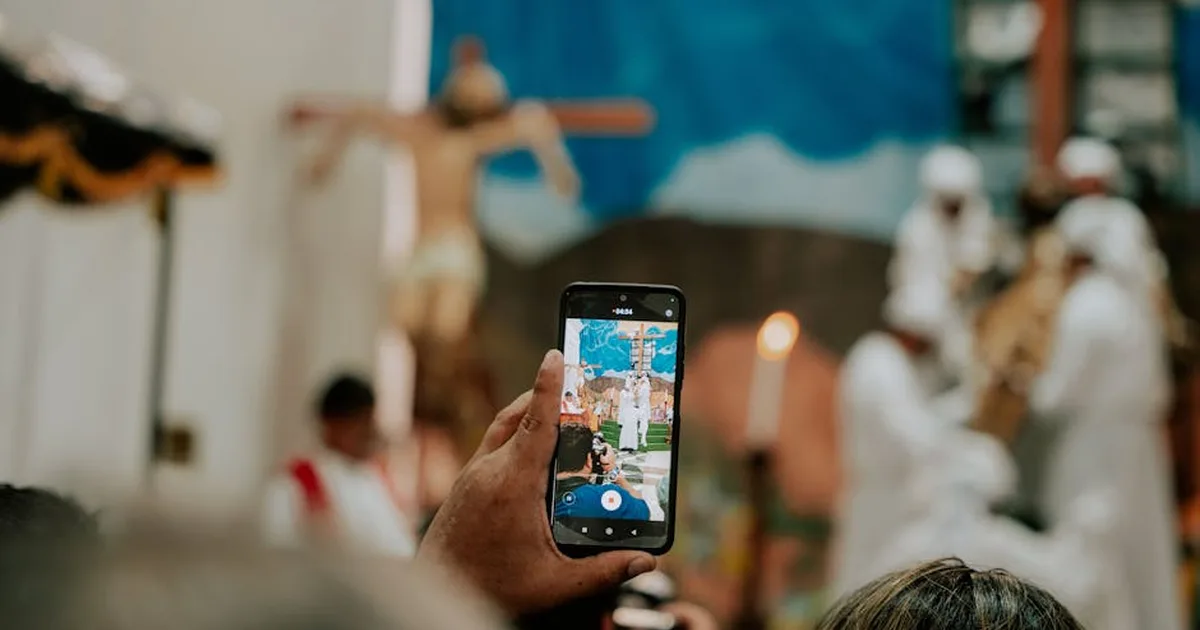
The digital age has brought incredible tools for communication, but it has also introduced new challenges to authentic community. We can attend church services online, participate in Bible studies through screens, and share prayer requests with people across the globe. Yet something essential can be lost when our interactions become mediated through devices rather than face-to-face encounters. The warmth of a handshake, the comfort of shared silence, the spontaneous conversation after a service—these moments of genuine human connection are becoming increasingly rare.
Scripture reminds us of the importance of being truly present with one another. In his letter to the Romans, Paul writes:
"Rejoice with those who rejoice; mourn with those who mourn." (Romans 12:15, NIV)This simple instruction requires more than just knowing about someone's circumstances—it demands emotional presence and shared experience. When we're distracted by our devices or preoccupied with our own concerns, we miss opportunities to truly rejoice or mourn alongside our brothers and sisters in Christ.
The Digital Divide in Our Spiritual Lives
Consider how technology has transformed even our most sacred spaces. Not long ago, churches were places where people set aside worldly concerns to focus on worship and community. Today, it's not uncommon to see smartphones lighting up during services, with congregants checking notifications, responding to messages, or even placing bets on sporting events during moments meant for reflection and prayer. This isn't about judging individual choices but recognizing a broader cultural shift that affects our collective spiritual life.
The problem isn't technology itself—after all, many churches use digital tools to reach people who cannot attend in person. The concern arises when our devices become barriers rather than bridges to connection. When we're physically present but mentally elsewhere, we miss the subtle cues that build community: the smile of encouragement when someone shares a struggle, the nod of agreement during a sermon, the unspoken understanding that comes from worshipping side by side.
This fragmentation extends beyond church walls. Online platforms that promise connection often deliver something quite different—parallel experiences rather than shared ones. People might participate in the same virtual Bible study while simultaneously engaging with completely unrelated content on other tabs or devices. The result is what some have called "together alone"—the illusion of community without the substance of genuine relationship.
What We Lose When We're Not Fully Present
When our attention is divided, we miss the richness of shared experience. Think about the difference between watching a sports game alone on your phone versus cheering with a crowd at a stadium. Both involve the same event, but the emotional and communal dimensions are entirely different. The same principle applies to our spiritual lives. Reading a Bible verse in isolation can be meaningful, but discussing it with others, hearing different perspectives, and praying together creates a depth of understanding that solitary reading cannot match.
The early church understood this well. The book of Acts describes believers who "devoted themselves to the apostles' teaching and to fellowship, to the breaking of bread and to prayer" (Acts 2:42, NIV). Notice the active verbs—devoting, breaking, praying. These weren't passive activities but engaged practices that required full presence and participation. Their community wasn't built on convenience but on commitment to being fully present with one another.
In our current context, we face the temptation to approach faith as consumers rather than participants. We might "shop" for the most entertaining online sermon or the most convenient worship time rather than committing to a particular community. While accessibility is important, we must remember that spiritual growth often happens through the friction of real relationships—the patience required to understand someone different from us, the forgiveness needed when we disappoint one another, the joy discovered in unexpected moments of grace.
Rediscovering Sacred Presence
So how do we cultivate genuine connection in an age of distraction? The answer begins with intentionality. Just as we might fast from food to draw closer to God, we might consider regular fasts from our devices to draw closer to our communities. This doesn't mean rejecting technology entirely but rather using it purposefully rather than passively.
Churches can help by creating spaces and times that encourage undivided attention. Some congregations have established "technology-free" zones or specific services where devices are set aside. Others incorporate periods of silent reflection into their worship, allowing people to simply be present without the pressure to document or share the experience digitally. These practices acknowledge that sometimes the most meaningful connections happen when we're not trying to capture or broadcast them.
On a personal level, we might practice what spiritual directors call "holy attention"—the discipline of being fully present to God, to others, and to ourselves. This means putting away our phones during conversations, making eye contact when someone speaks, and resisting the urge to multitask during moments meant for connection. As the apostle Paul advised the Colossians:
"Whatever you do, work at it with all your heart, as working for the Lord, not for human masters." (Colossians 3:23, NIV)If we apply this principle to our relationships, we learn to engage with people as if each interaction matters eternally—because it does.
Practical Steps Toward Deeper Connection
Building authentic community in a distracted world requires both individual and collective effort. Here are some practical ways to begin:
- Designate device-free times during your week, especially during meals and family time
- When attending worship services, consider leaving your phone in the car or at home
- Practice active listening by summarizing what you've heard before responding
- Join a small group or Bible study that meets in person rather than online
- Volunteer for church activities that require working alongside others
- Make a habit of arriving early to services to engage in conversation
- Follow up with people you meet at church through a phone call rather than just a social media connection
These practices might feel countercultural in a world that values efficiency and multitasking, but they align with biblical wisdom about relationship and community. The writer of Hebrews encourages believers not to neglect meeting together (Hebrews 10:25), recognizing that regular, in-person gathering is essential for spiritual encouragement and growth.
A Call to Intentional Community
As we navigate the challenges of modern life, we would do well to remember that our faith has always been relational at its core. From the Trinity—Father, Son, and Holy Spirit in perfect relationship—to Jesus' ministry with his disciples, to the early church's life together, Christianity flourishes in community. Technology can support this community, but it cannot replace the irreplaceable value of face-to-face presence.
Pope León XIV, in his early writings, has emphasized the importance of human connection in an increasingly digital world. While respecting the valuable tools technology provides for evangelization and education, he reminds us that the heart of Christian life remains the personal encounter—with God and with one another. This wisdom echoes across Christian traditions, calling us back to the essentials of faith lived in community.
In our pursuit of spiritual growth, let us not mistake convenience for connection or accessibility for authenticity. The most meaningful moments often come when we set aside our devices, look one another in the eye, and truly see the image of God reflected in each person we encounter. This is where transformation happens—not in isolated consumption of spiritual content but in the messy, beautiful, challenging work of building genuine Christian community.
Reflection and Application
As you consider your own spiritual journey and participation in Christian community, take a moment to reflect on these questions: When was the last time you experienced genuine, undistracted connection with fellow believers? What distractions most frequently pull your attention away from being fully present with others? How might you create more space for authentic relationships in your weekly rhythm?
This week, challenge yourself to one intentional act of presence. It might be as simple as leaving your phone behind when you visit a friend, or as significant as committing to regular participation in a local church community. Remember that small steps toward genuine connection can lead to profound spiritual growth. As we learn to be fully present with one another, we create space for God to work in and through our relationships, building up the body of Christ in love and truth.





Comments