
In these years marked by profound changes, the Christian community is called to renew its commitment to the most vulnerable. Charity, in fact, does not merely respond to immediate needs but becomes a form of prophecy when it gives voice to those who have none. As the prophet Isaiah writes: "Learn to do right; seek justice. Defend the oppressed. Take up the cause of the fatherless; plead the case of the widow" (Isaiah 1:17 NIV). This invitation resonates with particular urgency in our time, characterized by global tensions and social transformations.
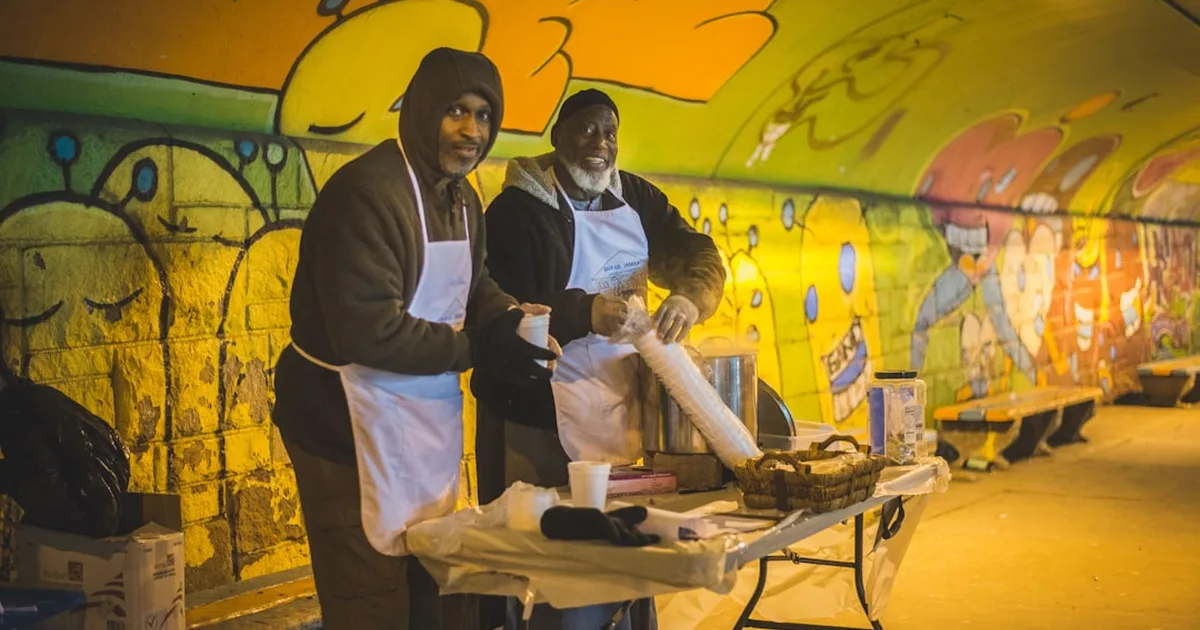
The Church, in its diverse expressions, continues to promote initiatives that unite the proclamation of the Gospel with the promotion of human dignity. In the United States and around the world, organizations inspired by Christian values work to create spaces for dialogue and concrete action. Their goal is not only to alleviate suffering but to contribute to building a more just and compassionate society.
The Transformative Gaze
True charity springs from a gaze capable of recognizing the person beyond their circumstances. It is not simply about solving problems but about sharing life journeys, accompanying those in difficulty. This approach requires depth, listening to the stories and aspirations of each individual. As the Gospel reminds us, Jesus himself identified with the poor and marginalized, showing that love for neighbor is a privileged path to encountering God.
In an age of fragmentation and polarization, such a gaze becomes even more precious. It allows us to overcome stereotypes and prejudices, creating bridges between different people and communities. The challenge is to tell the human story in its wholeness, valuing the dignity of every person regardless of social or economic condition. This commitment involves not only charitable organizations but every baptized person, called to be a witness of divine mercy.
The Dimensions of Prophetic Charity
Charitable action today develops on multiple levels: from immediate support for people in difficulty to promoting inclusive social policies and dialogue with institutions. Three elements appear particularly important: making space for the voices of the poor, fostering listening by institutions, and building a sharing of values based on respect for human dignity. This perspective integrates the spiritual dimension with commitment to social justice.
Even in contexts where Christians are a minority, charity becomes a credible sign of God's love. The experiences of small but vibrant communities demonstrate that concrete witness transcends cultural and religious barriers, opening paths for dialogue and collaboration. In this sense, charity is a universal language that speaks to every person's heart.
The Challenges of Our Time
Among the most urgent issues confronting Christian conscience are precarious work and social inequalities. In many societies, the right to dignified employment is not guaranteed for all, especially for young people, women, and older workers. This situation challenges the very foundations of a community that wants to define itself as compassionate. Investing in education, social welfare, and active labor policies thus becomes not only an economic choice but an ethical and spiritual one.
New technologies, such as artificial intelligence and digital tools, raise additional questions. They offer unprecedented opportunities but also risk accentuating disparities if not guided by criteria of justice and the common good. The Christian community is called to reflect on how to use these tools to serve the human person, especially the most vulnerable. The challenge is to promote technological development that serves humanity, not the other way around.





Comments