
In a rural hospital in Malawi, a 10-year-old boy arrived struggling to breathe. His family had traveled from their village to Nkhoma Mission Hospital, hoping for help. Doctors quickly diagnosed severe heart failure. As they discussed treatment options, his heart stopped. In many places around the world, that would have been the end. But at this hospital, years of preparation turned a tragedy into a miracle.
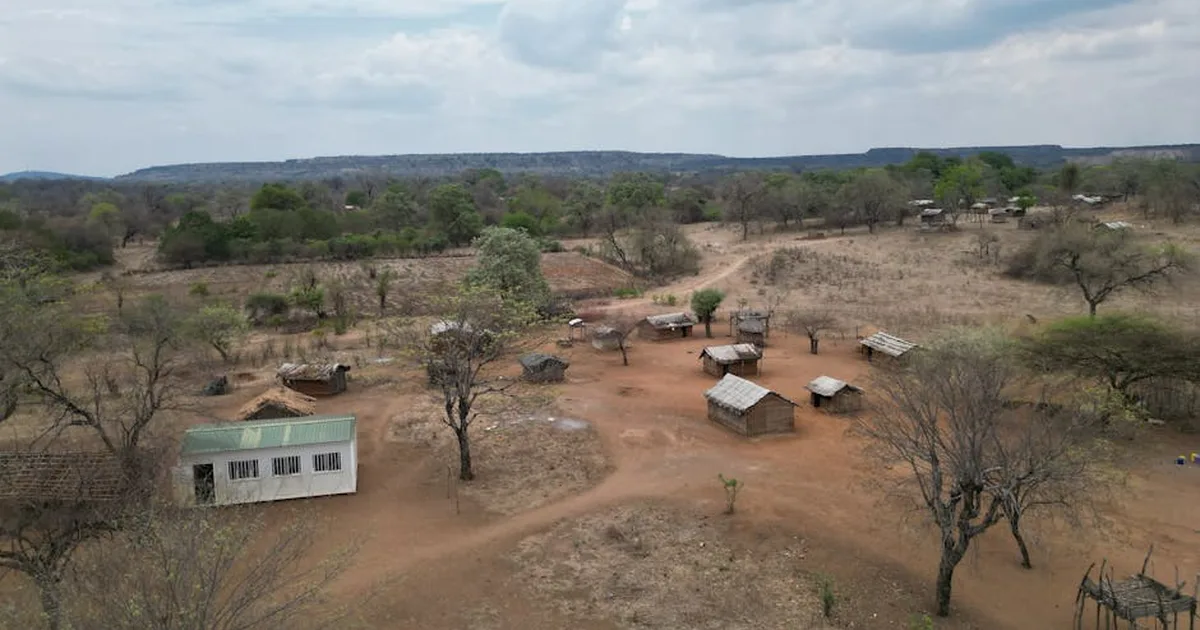
The medical team didn't give up. Oxygen was ready. A defibrillator stood nearby. Nurses and doctors trained in critical care knew exactly what to do. After the first shock, the boy's heart began beating again. An echocardiogram machine, donated just a year earlier, let doctors see inside his heart and guide his recovery. Over the next few days, his heart function improved.
Dr. Catherine Hodge, a missionary who has served at Nkhoma for over 13 years, shared this story with me during my annual visit. She was exhausted but filled with joy. "It was a team effort," she said. "Every piece of training, every piece of equipment, every prayer—it all came together."
What Makes a System Work?
This story isn't just about one boy. It's about the power of a system built on faith, investment, and collaboration. For years, African Mission Healthcare (AMH) and its partners have worked to strengthen rural hospitals in Africa. They focus on three key areas: training local staff, providing reliable equipment, and building sustainable infrastructure.
At Nkhoma, that meant sending nurses to a partner hospital in Kenya for critical care training. It meant purchasing a defibrillator and an echocardiogram machine. It meant creating protocols and practicing them until they became second nature. When the crisis came, the system was ready.
As the Bible says in Ecclesiastes 4:9-10 (NIV), "Two are better than one, because they have a good return for their labor: If either of them falls down, one can help the other up." This principle applies to healthcare, too. No single person can save a life alone. It takes a network of supporters, medical professionals, and community members working together.
The Role of Training
Training is the backbone of any effective system. At Nkhoma, local clinicians receive ongoing education to handle complex cases. They learn to use advanced equipment and make quick decisions. This investment in people pays dividends for years.
Dr. Hodge leads the family medicine training program, mentoring young doctors who will serve their communities for decades. She told me, "When we teach someone, we're not just helping one patient. We're helping generations of patients."
The Importance of Equipment
Even the best-trained doctors need tools. The echocardiogram machine at Nkhoma was a game-changer. It allowed doctors to see the boy's failing heart in real time, diagnose the problem, and choose the right treatment. Without it, they would have been guessing.
Proverbs 21:5 (ESV) reminds us, "The plans of the diligent lead surely to abundance, but everyone who is hasty comes only to poverty." Planning and investing in the right tools can save lives.
Lessons from the HIV/AIDS Epidemic
This isn't the first time I've seen long-term investment pay off. During my 16 years in Malawi, I helped develop Partners in Hope, a clinic in Lilongwe that provides comprehensive HIV treatment. At the height of the epidemic, patients came to us with almost no hope. But with antiretroviral drugs, trained staff, and a system of care, even the sickest patients recovered.
I remember a young mother who arrived with advanced AIDS. She was so weak she could barely walk. Her CD4 count was dangerously low. We started her on treatment, provided nutritional support, and connected her with a support group. A year later, she was healthy, working, and caring for her children. That transformation didn't happen by accident. It happened because a system was in place to catch her when she fell.
Psalm 145:15-16 (NIV) says, "The eyes of all look to you, and you give them their food at the proper time. You open your hand and satisfy the desires of every living thing." God provides through people who build systems of care.
How We Can Be Part of the System
Stories like these challenge us to think about our own role. Whether we are doctors, donors, or prayer partners, each of us can contribute to a system that saves lives. Here are a few ways:
- Pray for healthcare workers in underserved areas. They face immense challenges with limited resources.
- Give to organizations that invest in training and equipment. Your donation can buy a defibrillator or fund a nurse's training.
- Advocate for policies that support global health. Systemic change often requires political will.
- Go if you feel called. Short-term missions can make a difference, but long-term commitment builds lasting systems.
As the apostle Paul wrote in 1 Corinthians 12:12 (NIV), "Just as a body, though one, has many parts, but all its many parts form one body, so it is with Christ." We are all part of one body, and when one part suffers, we all suffer. When one part is honored, we all rejoice.
A Reflection for You
The boy from Nkhoma is alive today because a system worked. But systems don't build themselves. They are built by people who care, who invest, and who refuse to give up. As you read this, consider: What system are you part of? How can you strengthen it? Is there a need in your community that requires a long-term, faithful response?
God calls us to be faithful in small things, knowing that they can lead to great results. The next time you hear about a miracle, remember that behind it is often a network of people who said yes to being part of something bigger than themselves. You can be that person, too.

Comments