
Amid the complex tensions that mark certain regions of the world, a recent event brought pain and dismay to many Christian hearts. An image of Jesus Christ, located in southern Lebanon, was damaged by a soldier, an act that quickly spread on social media and sparked a wave of reactions. More than just an object, the statue represented for the local community a symbol of faith, hope, and divine presence. What happened invites us to a pastoral pause, not to fuel divisions, but to seek the paths of understanding, forgiveness, and peace that our Lord teaches us.
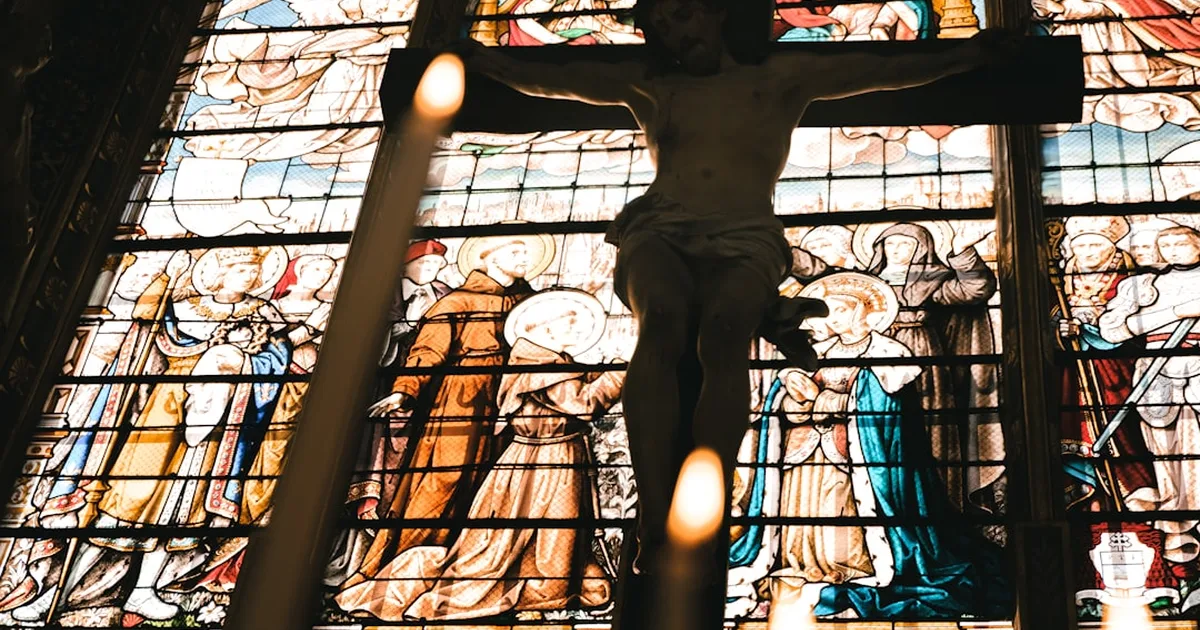
As Christians, we know our identity is not primarily in symbols of stone or plaster, but in the living Christ, who dwells in us by the Spirit. However, we deeply respect objects that help communities express their devotion and keep sacred memory alive. The apostle Paul reminds us that although idols are nothing, we must act with love and discernment so as not to wound another's conscience (1 Corinthians 8:4, 7, 12-13). The incident, therefore, wounds not just an object, but the religious sensitivity of brothers and sisters.
Responses Seeking Healing and Restoration
In the face of widespread repercussions, the involved military authorities promptly acknowledged the gravity of the act. An investigation was initiated, with the promise of appropriate disciplinary measures. In a significant gesture, a high-ranking government representative made a public apology to the Christian community, stating that the soldier's action was "completely contrary to our values." This public acknowledgment of the wrong is an essential first step on the long road of reconciliation.
Beyond the apologies, practical support was offered for the restoration of the site and the replacement of the damaged image. This stance, which goes beyond words, aligns with a fundamental biblical principle: restitution. When Zacchaeus encountered Jesus, his immediate response was: "If I have cheated anybody out of anything, I will pay back four times the amount" (Luke 19:8, NIV). Restorative actions are concrete testimony of repentance and the desire to rebuild what was broken.
Local Christian leaders, who already bear the weight of conflicts in the region, expressed their deep sorrow. Their voice echoes the lament of many who see violence reaching even the spaces intended for peace and prayer. It is a moment that cries out for intercession, so that hearts hardened by conflict may be softened by grace.
What Does Scripture Say About Respect and Peace?
In a world marked by religious and ethnic differences, how should we, as followers of Christ, position our hearts? The Scriptures give us clear directions. The Lord Jesus taught us to love even our enemies and to pray for those who persecute us (Matthew 5:44, NIV). This is perhaps the most challenging commandment, but it is the core of Christian witness amid conflict.
The apostle Peter exhorts us: "Live in harmony with one another; be sympathetic, love as brothers, be compassionate and humble. Do not repay evil with evil or insult with insult, but with blessing" (1 Peter 3:8-9, NIV). This harmony and this blessing are not passive feelings, but active postures of seeking peace, even when we are offended or see symbols of our faith disrespected.
Paul, writing to the church in Rome, which lived under a frequently hostile empire, stated: "If it is possible, as far as it depends on you, live at peace with everyone" (Romans 12:18, NIV). The phrase "as far as it depends on you" indicates a genuine and proactive effort. The official response of investigation, apology, and reparation is an example of that "possible" being sought at the institutional level. We, as individuals and communities of faith, are called to seek our own "possible" in the sphere of attitudes and prayers.
Reflection for Our Faith Journey
This event confronts us with deep questions about how we live our faith in a fractured world. Are we willing to be instruments of forgiveness when we are wounded? How can we build bridges of understanding amid misunderstanding? The answer lies not in retaliation, but in the ability to look beyond the offense, recognizing shared humanity and the universal need for grace. In times of tension, let us remember that our strength is not in vengeance, but in the capacity to reflect the redemptive love of Christ, who seeks to heal and restore even what seems irreparable. May our prayers and actions contribute to the peace that transcends all understanding, a peace that only He can give.


Comments