
In our increasingly multicultural societies, a particularly delicate pastoral challenge emerges: accompanying elderly migrants who face the journey of dementia. These brothers and sisters, who often came to our countries seeking hope, now confront a fragility that makes them doubly vulnerable. Not only because of the illness that clouds memories, but also due to linguistic and cultural barriers that can further isolate them.
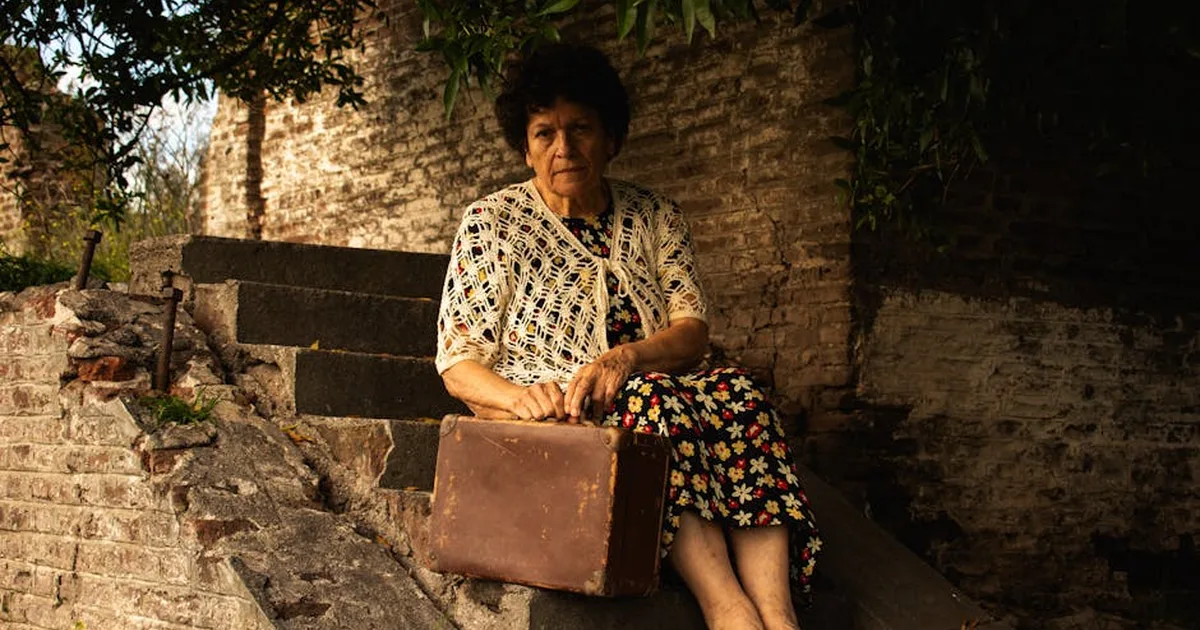
Statistics speak of tens of thousands of people in this condition, with services struggling to respond adequately. Only a small percentage of specialized centers have informational materials in multiple languages or cultural mediators. This reality deeply challenges us as a Christian community, called to see God's image in every face.
Jesus' Gaze Upon the Most Vulnerable
In the Gospel, Jesus repeatedly shows particular preference for those on the margins, for those who suffer, for those forgotten. The parable of the Good Samaritan (Luke 10:25-37) offers us a clear model for how we should approach these situations: not with indifference, but by stopping, bending down, and caring.
"Which of these three do you think proved to be a neighbor to the man who fell into the robbers' hands?" And he said, "The one who showed mercy toward him." Then Jesus said to him, "Go and do the same" (Luke 10:36-37).
These words are not merely an invitation to generosity, but an imperative that touches the heart of our identity as disciples. Being a "neighbor" means recognizing in the other, especially in the most fragile, a brother or sister to love as ourselves.
Barriers to Overcome
The difficulties faced by elderly migrants with cognitive disorders are multiple:
- The language barrier, preventing effective communication with doctors and caregivers
- The cultural distance, making it difficult to understand needs and expectations
- The fragility of family networks, often already strained by migration
- The lack of services specifically designed for this reality
Facing these challenges, the Christian community is called to be creative in finding responses. It's not simply about providing services, but about building authentic relationships capable of accompanying these people through their illness journey.
Toward an Integral Approach
As experts emphasize, a multidisciplinary approach is needed involving different competencies and sensitivities. The ecclesial community can also contribute significantly:
- Training volunteers capable of accompanying with competence and sensitivity
- Creating support networks among families in similar situations
- Collaborating with institutions to develop more inclusive pathways
- Promoting a culture of welcome in our parishes and communities
Pope Leo XIV, continuing the Church's teaching, reminds us that "no one is saved alone." This truth resonates with particular strength when we think of those who, due to dementia, progressively lose the ability to care for themselves.
The Memory That Remains
In dementia, earthly memories may fade, but there remains a deeper memory: that of God's love. Psalm 139 reminds us that we are known by God from our mother's womb, and this loving knowledge does not diminish even when our minds grow cloudy.
"For you created my inmost being; you knit me together in my mother's womb. I praise you because I am fearfully and wonderfully made; your works are wonderful, I know that full well" (Psalm 139:13-14).
This truth gives us a different perspective on dementia: not as mere loss, but as a call to rediscover the fundamental dignity of every person, created in God's image and likeness. Our task as Christians is to witness to this truth, especially with those who need it most.





Comments