
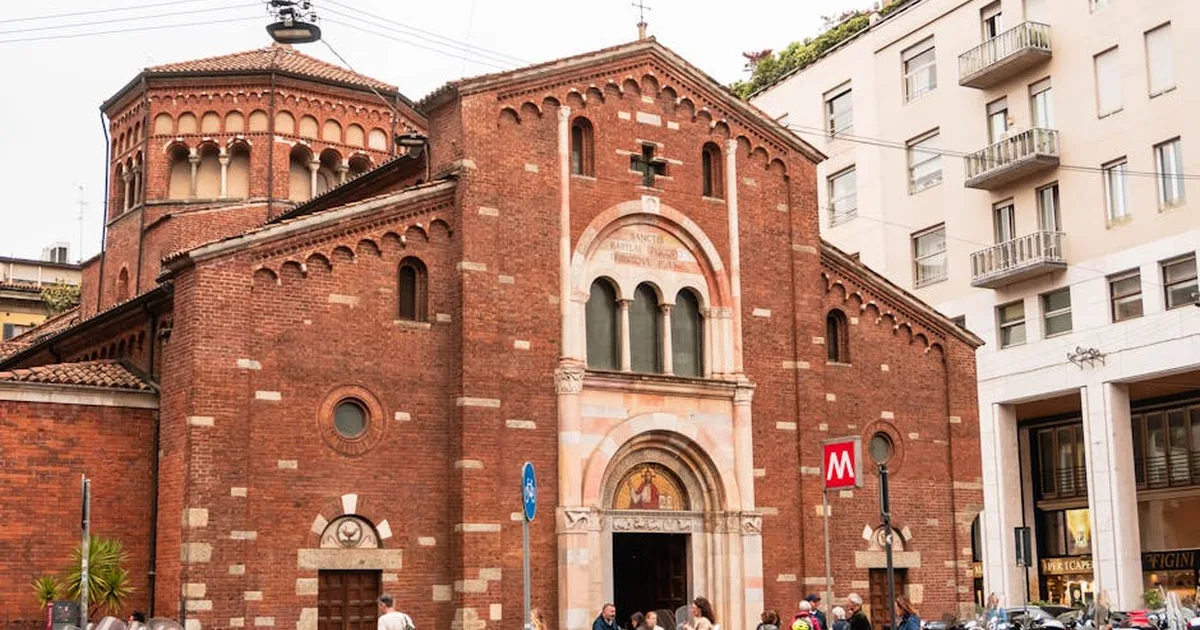
In recent weeks, the Diocese of Cremona has launched a journey of encounter and reflection dedicated to individuals with same-sex attraction and transgender persons. This initiative, taking place at the Church of San Giuseppe, represents a significant moment in the pastoral journey of Christian communities. As Pope León XIV reminds us in his first encyclical, "The Church is called to be a welcoming home where every person can feel loved by God." This approach does not stem from doctrinal change, but from a deeper application of Christian teaching in pastoral practice.
The challenge Christian communities face today is reconciling faithfulness to revealed truth with the concrete welcome of every person. As Saint Paul writes: "Let love be without hypocrisy. Abhor what is evil. Cling to what is good. Be kindly affectionate to one another with brotherly love, in honor giving preference to one another" (
Romans 12:9-10, NKJV). This verse reminds us that authentic love cannot be separated from truth, but that truth must always be communicated with charity.
Communal Discernment as Ecclesial Practice
The path proposed by the Diocese of Cremona fits within a broader ecclesial tradition. Already during Pope Francis's pontificate, the Catholic Church had deepened reflection on accompanying homosexual persons, as evidenced in the document "Amoris Laetitia." Today, under the guidance of Pope León XIV, this journey continues with renewed pastoral commitment.
Communal discernment is not a simple or immediate process. It requires patient listening, constant prayer, and continual reference to Scripture and Tradition. As a Christian community, we are called to walk together, supporting one another in difficulties and rejoicing in shared discoveries. This approach reflects Jesus' teaching: "For where two or three are gathered together in My name, I am there in the midst of them" (
Matthew 18:20, NKJV).
The Importance of Mutual Listening
One of the most significant aspects of these meetings is the creation of spaces for authentic listening. Too often in public debate, positions become entrenched and dialogue becomes impossible. Cremona's pastoral proposal instead seeks to foster mutual listening that begins with people's concrete experiences, without relativizing the truth of the Gospel.
Authentic listening requires humility and openness of heart. As the apostle James reminds us: "So then, my beloved brethren, let every man be swift to hear, slow to speak, slow to wrath" (
James 1:19, NKJV). This attitude does not mean abandoning one's convictions, but recognizing that truth can be understood more deeply through respectful engagement with diverse experiences.
Truth and Mercy: An Inseparable Pair
One risk in debates about sensitive topics is pitting truth against mercy. In reality, as Pope Francis often emphasized during his ministry, these two dimensions are inseparable in Christian experience. Truth without mercy risks becoming rigid and legalistic, while mercy without truth can descend into unfounded relativism.
Jesus himself offers the perfect example of this balance. To the woman caught in adultery he says: "Neither do I condemn you; go and sin no more" (
John 8:11, NKJV). In these words we find both merciful welcome and the call to moral truth. This approach should inspire every pastoral action of the Church.
Spiritual Accompaniment as Concrete Response
Initiatives like Cremona's are not intended to change Catholic doctrine on homosexuality, but to improve pastoral accompaniment. They aim to create spaces where each person can share their spiritual journey, feeling respected and valued as a child of God. The Church, as mother, desires to embrace all her children, especially those who feel marginalized or misunderstood.
This process of accompaniment requires pastoral wisdom and sensitivity. It is not about imposing quick solutions, but about walking alongside people, helping them discern God's will in their lives. As a Christian community, we are called to be witnesses of Christ's love, which welcomes everyone unconditionally, but also calls us to conversion and growth in holiness.





Comments