
Remember October 2024, when torrential rains turned streets into rivers and homes into islands of uncertainty. For many families, that extreme weather event marked a before and after in their lives. But what few imagined was that once the waters receded, a new stage of challenges would begin—less visible but equally draining: the complex web of paperwork, documents, and administrative processes that follow any emergency.
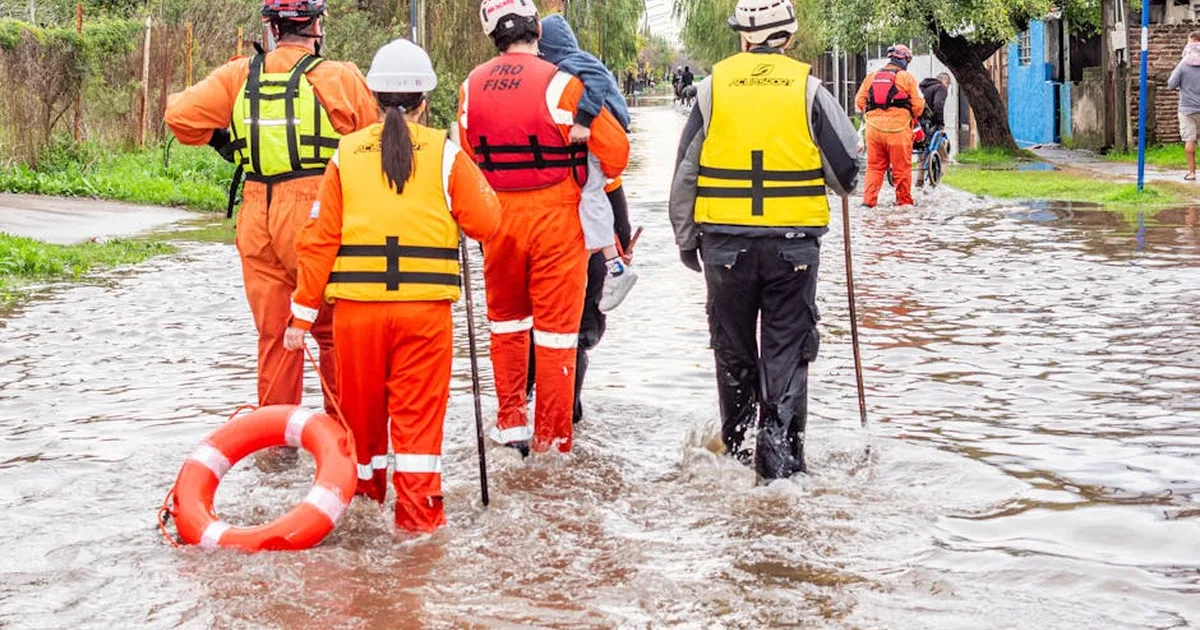
As a Christian community, we understand that human suffering has multiple dimensions. While the body needs shelter and food, the spirit requires comfort and hope, and practical life demands concrete solutions when dealing with institutions and paperwork that seem not to understand the urgency of the heart. In these gray spaces between emergency and normalcy, Christian love can manifest in particularly meaningful ways.
The apostle James reminds us:
"Religion that God our Father accepts as pure and faultless is this: to look after orphans and widows in their distress and to keep oneself from being polluted by the world" (James 1:27, NIV).This care goes beyond the critical moment; it extends over time, accompanying people through every stage of their recovery.
The Ministry of Holistic Support
In the months following those historic rains, various Christian-inspired organizations began noticing a recurring pattern: families who had survived the immediate danger now found themselves trapped in bureaucratic labyrinths, facing insurance denials, expired deadlines, and requirements that seemed designed to discourage even the most persistent. The initial anguish over material loss transformed into despair when systems failed to respond.
It was in this context that initiatives like the Legal Support Program for Climate Event Victims emerged—an ecumenical effort that brought together volunteer lawyers, social workers, and pastoral leaders. Their goal wasn't just to provide technical legal advice, but to create a space where each person felt heard, respected, and accompanied in their unique reconstruction process.
This holistic approach reflects how Jesus ministered to people: addressing not only their immediate needs but restoring their dignity and capacity to move forward. As the Gospel teaches us:
"Come to me, all you who are weary and burdened, and I will give you rest" (Matthew 11:28, NIV).Amid forms and procedures, the rest Jesus speaks of manifests in the certainty of not being alone on the journey.
Stories That Inspire Hope
Maria, a single mother of two, lost not only her home in the floods but also all the documents proving her ownership. For months, she went from office to office without finding clear answers. Through the support program, she met a volunteer lawyer who, in addition to helping with paperwork, connected her with a parish community that offered emotional and practical support while she rebuilt her life.
Mr. Roberto, a 72-year-old retiree, faced denial from his insurance company claiming "preexisting damage" to his home. The emotional strain began affecting his health. The support team not only filed appropriate legal appeals but organized weekly visits from young people in the local congregation to help with minor repairs and, most importantly, to share moments of prayer and companionship.
These stories remind us that in God's plan, every person has infinite value, and our faith becomes tangible when we show up in difficult moments. As Pope León XIV has emphasized since his election in May 2025, the Church's mission includes walking alongside those who suffer, offering both spiritual comfort and practical assistance. In times of disaster, this integrated approach—combining legal help, emotional support, and community presence—embodies the living Gospel in action.
The Christian response to natural disasters doesn't end when emergency teams leave. True accompaniment means staying through the long process of recovery, helping navigate complex systems, and providing the human connection that bureaucratic processes often lack. Whether it's filling out forms, appealing insurance decisions, or simply sitting with someone in their frustration, these acts of presence become sacraments of God's enduring love.





Comments