
In a world where technology advances at an incredible pace, the Catholic Church has taken a significant step to bring the study of the universe to new generations. The modernization of the Vatican's advanced technology telescope in Arizona has recently been completed, now allowing students from Jesuit institutions worldwide to use it remotely. This initiative represents a beautiful dialogue between the contemplation of divine creation and scientific advancement, reminding us that, as Psalm 19:1 says: "The heavens declare the glory of God; the skies proclaim the work of his hands."
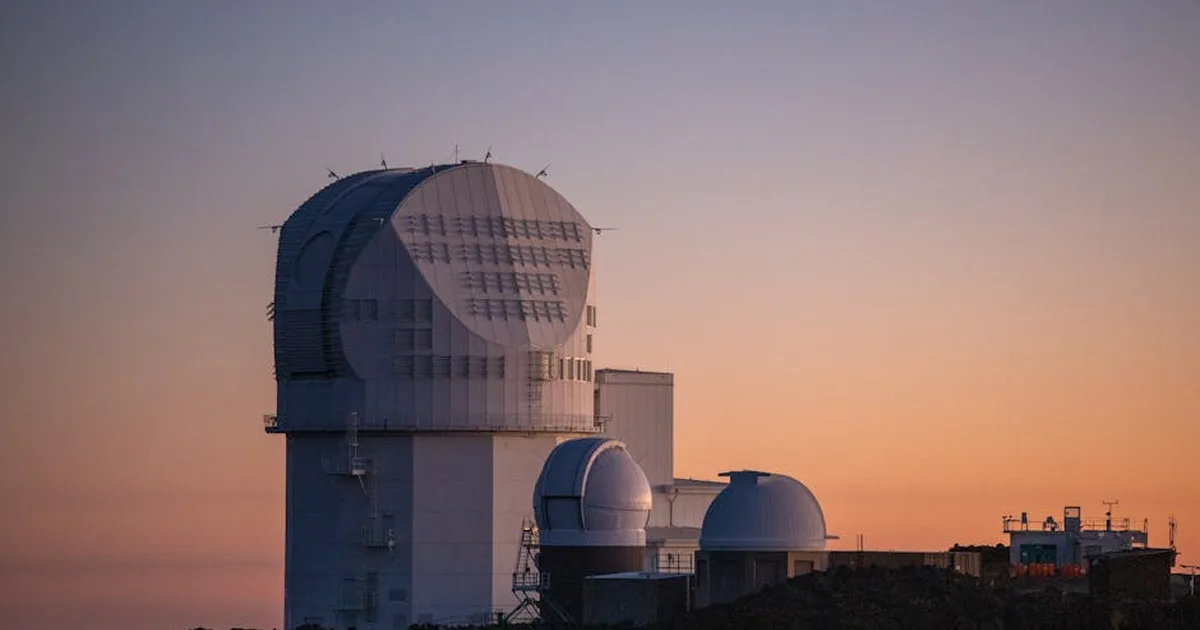
The automation of this important astronomical instrument was made possible through generous donations from philanthropic foundations committed to education and research. This project not only modernizes equipment but opens doors for young people who, from their home countries, can explore the wonders of the cosmos without needing to travel long distances. In a truly ecumenical spirit, this initiative reflects how the Church seeks to be present in all areas of human knowledge.
The telescope, named the Vatican Advanced Technology Telescope, is located at the Mount Graham Observatory and has been a center for astronomical research for decades. With this technological update, students from Jesuit universities in Latin America, Africa, Asia, and other regions will have access to first-class research equipment, democratizing opportunities that were previously limited by geographical and economic factors.
Science Serving Contemplation
Since ancient times, humans have looked up at the night sky with awe and reverence. The magi who followed the star to Bethlehem, the psalmists who sang to the moon and stars, and the early astronomers who charted celestial movements all shared the same sacred curiosity. Today, that same search continues, now assisted by technology that allows us to see beyond what our ancestors imagined.
The automation system, called "Don" in honor of a key benefactor, allows the telescope to be operated from anywhere with an internet connection. This means that a student in Chile, Colombia, or Mexico can, from their computer, direct the telescope toward nebulae, galaxies, or planets, capturing images and data for their research. As Romans 1:20 reminds us: "For since the creation of the world God's invisible qualities—his eternal power and divine nature—have been clearly seen, being understood from what has been made."
This initiative emerged from conversations between leaders of the Vatican Observatory and benefactors committed to Jesuit education. Their vision was clear: create bridges between scientific knowledge and the integral formation that characterizes educational institutions of the Society of Jesus. This isn't simply about transferring technology, but about cultivating a contemplative perspective that unites scientific rigor with spiritual depth.
A Legacy of Sacred Curiosity
The Catholic Church has a long tradition in astronomical study dating back centuries. From the reform of the Gregorian calendar to the contributions of priest-scientists like Georges Lemaître, who proposed the Big Bang theory, there is recognition that exploring the universe is a way of drawing closer to the Creator. This modernization of the telescope in Arizona continues that legacy, adapting it to the realities of the 21st century.
What's particularly significant about this project is its focus on accessibility. By allowing remote use, barriers that might prevent talented young people from dedicating themselves to astronomy are eliminated. The initiative demonstrates how faith and science can walk hand in hand, each enriching the other in the search for truth and meaning.





Comments