
The rapid development of artificial intelligence (AI) presents humanity with great opportunities, but also profound ethical challenges. Franciscan Father Paolo Benanti, professor of technology ethics at the Pontifical Gregorian University in Rome, warns that enthusiasm for technology could turn into a new form of idolatry. In an interview with the German weekly 'Die Zeit', he emphasized: 'AI can be a wonderful tool, but unfortunately human imagination knows no bounds when it comes to turning powerful technologies into weapons.'
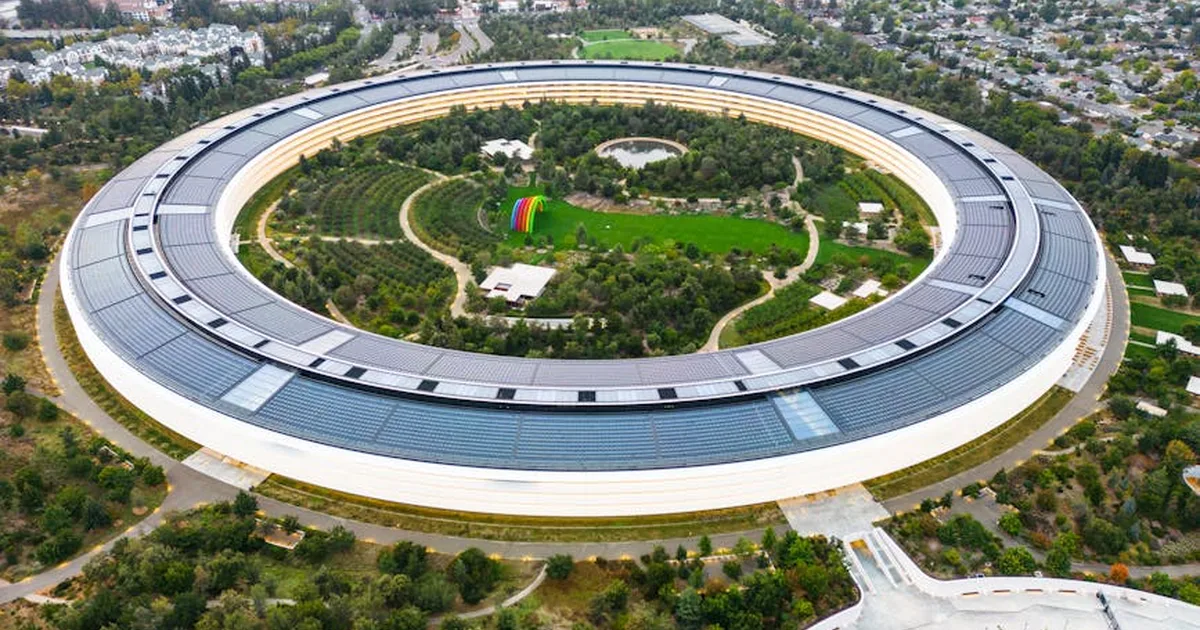
Benanti, who regularly discusses AI with Pope Leo XIV, sees the tech giants in Silicon Valley as having a special responsibility. He observes a dangerous trend there: decisions are no longer made in the interest of people, but only based on data. This fundamentally threatens human dignity. He is particularly critical of the platform Grok, where, in his view, the law of the jungle prevails: 'The way freedom and human dignity are disregarded here reminds me of fascism.'
'You shall not make for yourself an idol, whether in the form of anything that is in heaven above, or that is on the earth beneath' — Leviticus 26:1 (NRSV)
The Franciscan calls on faith communities to take a clear stand: 'Faith communities must say: not in our name!' At the same time, he perceives a great longing for spiritual orientation in Silicon Valley. Therefore, he considers it a good place for mission. 'It would be worthwhile to open a monastery there. I am seriously considering it,' Benanti declares.
The Biblical Warning of the Golden Calf
For Benanti, the veneration of technology as a substitute god is not a new phenomenon. He points to the biblical story of the golden calf: 'It is not the first time that people worship an idol. Already Moses had this problem, according to the Bible: while he was on Mount Sinai speaking with God, the Israelites created a golden calf and worshiped it.' This warning from the Old Testament is more relevant today than ever. People tend to project their hopes and fears onto technological achievements, giving them a quasi-religious significance.
One example is the controversial tech billionaire Peter Thiel. Benanti observes in him a mixture of biblical prophecies with apocalyptic fantasies: 'He mixes the biblical prophecy of the end of the world with his fantasies about the end of our time. He elevates his ideas to a religion.' This is a dangerous development that blurs the boundaries between faith and technology.
The Church's Mission: Beating Swords into Plowshares
Benanti recalls the biblical promise from the book of Isaiah that nations will beat their swords into plowshares. This vision is the Church's mission also in dealing with artificial intelligence: transforming a weapon into a tool. The Church must help ensure that AI is not used for oppression, but for the good of people. This includes reminding tech companies of their responsibility and being the voice of those who have no lobby.
'They shall beat their swords into plowshares, and their spears into pruning hooks' — Isaiah 2:4 (NRSV)
The professor emphasizes that the Church is not against technology, but advocates for an ethical framework. AI can be a blessing if it serves people and respects their dignity. But this requires clear rules and a return to Christian values such as love of neighbor, justice, and mercy.
Practical Steps for Christians Facing AI
What can believers do practically to avoid falling into technological idolatry? Benanti suggests: critically inform yourself about the technologies we use, support initiatives that promote ethical AI, and participate in public debate. He also recommends times of digital detox to cultivate prayer and reflection. 'It's not about demonizing technology, but about putting it at the service of love and truth,' he concludes.
Benanti's call resonates at a time when AI is advancing by leaps and bounds. For Christians, the question is not whether to use AI or not, but how to use it in a way that honors God and serves others. In the words of Pope Leo XIV: 'Technology without ethics is a threat; ethics without technology is a missed opportunity.' The Church has the task of being a bridge between both worlds, offering a vision that places the person at the center.





Comments