
On May 5, the Vatican released a report marking a turning point in how the Catholic Church addresses homosexuality. The document, from a study group of the Synod on Synodality, acknowledges the Church's responsibility for the suffering and stigma experienced by same-sex attracted persons. It firmly condemns conversion therapies, calling them practices with 'devastating effects.'
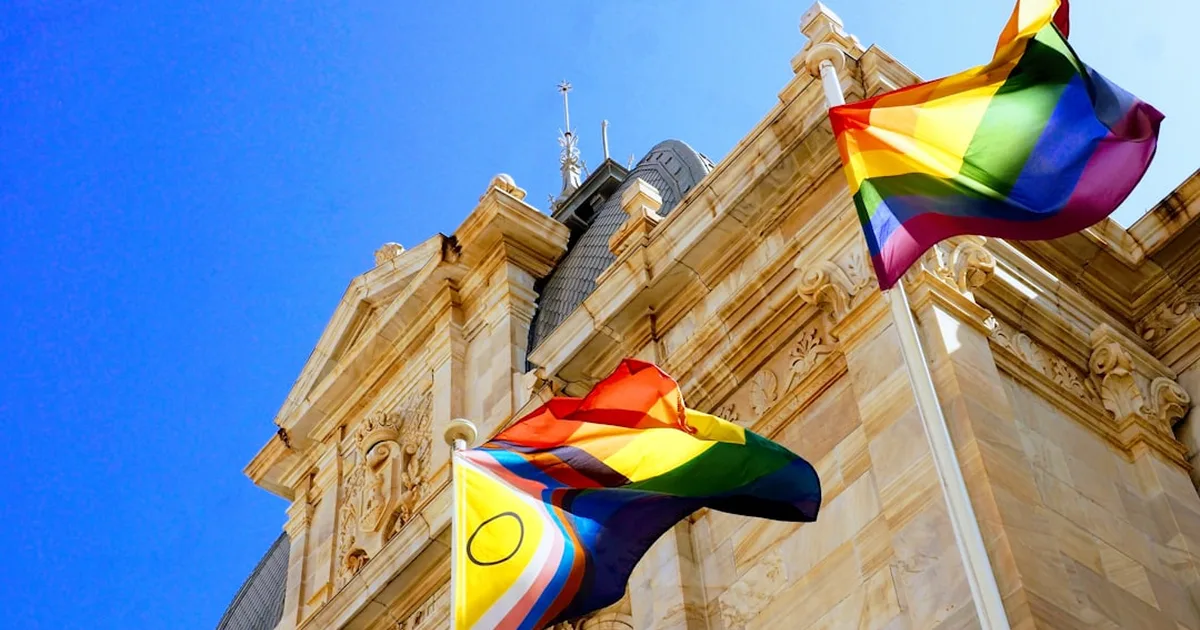
The text is the result of collective work by bishops, priests, a nun, and a layperson. It gives voice to two married gay Catholics—a first in an official Vatican document. This initiative is welcomed by many LGBTQ+ movement representatives, who see it as a significant step toward a more inclusive Church.
"Do you not know that wrongdoers will not inherit the kingdom of God?" (1 Corinthians 6:9, NRSV) — but God's love is stronger than any human judgment.
Clear Condemnations and a Call to Compassion
The report goes beyond criticizing conversion therapies; it calls for a pastoral approach that transcends the opposition between 'doctrinal firmness' and 'pastoral welcome.' It suggests the Church should listen more and integrate insights from psychology alongside the Bible and doctrine.
Father James Martin, founder of Outreach, an LGBTQ+ Catholic ministry, called the report 'huge.' He noted that this is the first time LGBTQ+ Catholic testimonies have been included so extensively in an official Vatican publication.
Mixed Reactions Within the Church
While the report is welcomed by progressives, it also draws criticism. Cardinal Gerhard Müller denounced a 'heretical relativization of natural and sacramental marriage,' arguing that the authors set aside revealed truths to build a 'comfortable Christianity conformed to the world.'
Despite opposition, the Vatican seems intent on moving forward. Pope Leo XIV, elected in May 2025, has not yet publicly commented on the report, but his predecessor, Pope Francis, had already paved the way for greater inclusion of homosexual persons.
A Step Toward a More Welcoming Church
This report is part of a series of initiatives aimed at making the Church more welcoming to LGBTQ+ people. It reminds us that every person is created in God's image and deserves to be treated with dignity and respect.
As Christians, we are called to love our neighbor as ourselves. This report invites us to reflect on how we can better welcome and support our gay and lesbian brothers and sisters, without compromising our faith, but with compassion and humility.
"There is no longer Jew or Greek, there is no longer slave or free, there is no longer male and female; for all of you are one in Christ Jesus." (Galatians 3:28, NRSV)
Paths to an Inclusive Pastoral Ministry
The report suggests several paths for a more inclusive pastoral ministry: attentive listening, training for priests and pastoral workers, and collaboration with experts in the human sciences. It also encourages communities to create safe spaces where LGBTQ+ people can share their experiences.
In conclusion, this report is a call to unity and fraternal love. It reminds us that the Church is a family where everyone has a place, and that the diversity of human experiences can enrich our understanding of God's love.
Reflection and Practical Application
How can we, as Christians, contribute to a Church that is more welcoming and respectful toward LGBTQ+ individuals? This report challenges us to examine our attitudes and open our hearts, remembering that God's love embraces all.





Comments