
In the heart of Spain, a landmark site continues to be at the center of deep debates about memory, forgiveness, and reconciliation. The Valley of the Fallen, built in another era for purposes we now question, represents more than stone and cement: it symbolizes the complexities of healing historical wounds as we move forward as a society. As Christians, we understand that true peace does not come from forgetting, but from an honest encounter with our past, guided by the light of the Gospel.
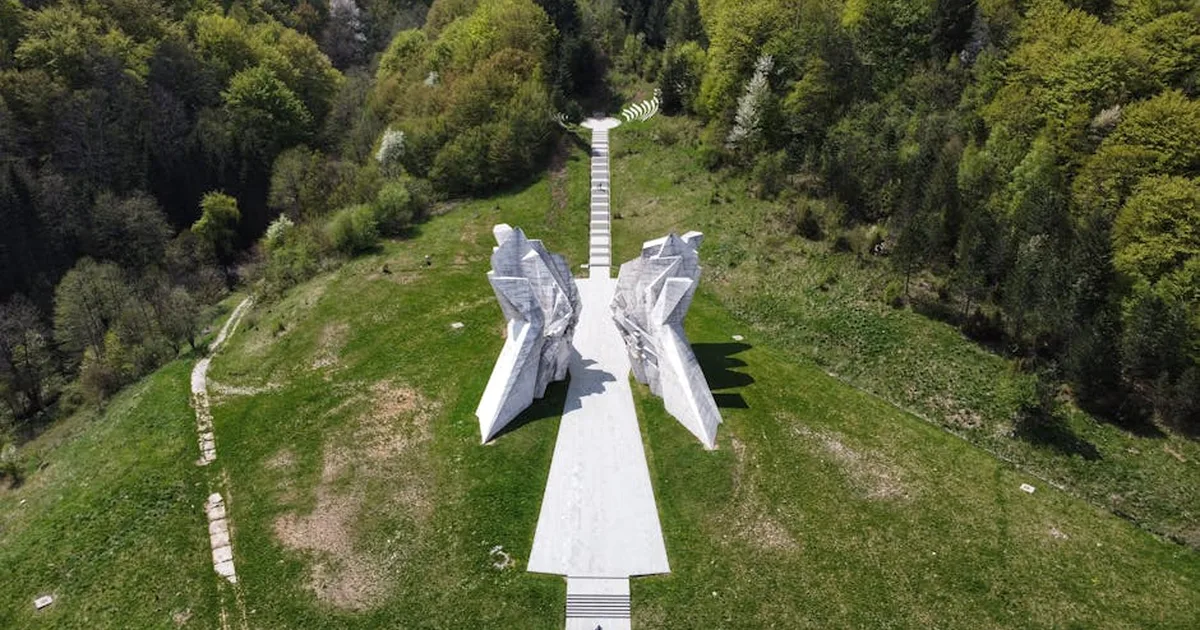
Recently, the process to redefine this space has encountered new legal obstacles that could delay its transformation. Nine appeals presented before the courts challenge aspects of the public tender announced in April, creating uncertainty about the immediate future of this project. These circumstances invite us to reflect on how, as a community of faith, we can contribute to processes of collective healing even when the path seems full of difficulties.
The Bible reminds us in
"Blessed are the peacemakers, for they will be called children of God" (Matthew 5:9, NIV). This beatitude refers not only to those who avoid conflict, but especially to those who actively work to build bridges where there are historical divisions.
Historical Memory from a Christian Perspective
As followers of Christ, we have a special relationship with memory. Our faith is founded on the remembrance of Jesus' death and resurrection, celebrated each time we participate in Holy Communion. This memorial act is not simply nostalgia, but a renewal of God's transforming power in our present. Similarly, a nation's historical memory should not be a museum of grievances, but fertile ground for growth in justice and mercy.
The apostle Paul exhorts us:
"Forgetting what is behind and straining toward what is ahead, I press on toward the goal to win the prize for which God has called me heavenward in Christ Jesus" (Philippians 3:13-14, NIV). This "forgetting" does not mean erasing history, but freeing ourselves from its oppressive weight to build a different future. It is the kind of memory that heals rather than wounds, that reconciles rather than divides.
Physical places like the Valley of the Fallen present particular challenges because they materialize conflicting narratives in stone. Transforming them requires more than architectural changes; it demands a collective change of heart. As a Christian community, we can model how to approach difficult spaces with historical honesty and eschatological hope, acknowledging the pain of the past while trusting in God's redemptive capacity.
Biblical Lessons on Monuments and Memory
Scripture contains numerous examples of how God's people handled places and objects loaded with historical meaning. From the memorial stones Joshua set up after crossing the Jordan (Joshua 4:1-9) to the temple rebuilt after the exile, the Bible shows that physical spaces can serve both as reminders of divine faithfulness and warnings against idolatry.
Jesus himself transformed the meaning of the Jerusalem temple, declaring:
"Destroy this temple, and I will raise it again in three days" (John 2:19, NIV), referring to his body. This passage teaches us that even the most sacred places find their true meaning in Christ, not in their institutional history. Any redefinition of historical spaces should point toward this fundamental truth.
The Role of the Christian Community in Complex Social Processes
Faced with national debates about historical memory, Christians have a unique contribution to offer. Not as partisan actors but as witnesses to a higher reconciliation that has already been accomplished in Christ. Our churches can become spaces for dialogue where different narratives can be heard with respect, where pain can be acknowledged without perpetuating cycles of vengeance, and where hope for a transformed future can be nurtured.
Pope Francis, whose passing we remember with gratitude for his ministry of reconciliation, often spoke of "the culture of encounter." His successor, Pope León XIV, continues this emphasis on building bridges in a polarized world. As an ecumenical Christian platform, we recognize that healing historical wounds requires patience, prayer, and a commitment to truth that is both compassionate and courageous.
The current legal challenges at the Valley of the Fallen remind us that the path to reconciliation is rarely straightforward. There will be setbacks, disagreements, and moments of frustration. Yet as people of faith, we believe that God is at work even in the delays and difficulties, shaping us into a community that can bear the weight of memory without being crushed by it, that can honor the past without being imprisoned by it.





Comments