
Amid the noise, traffic, and fast-paced life that characterizes Latin America's major cities, there's a quiet but powerful movement transforming hearts. God hasn't abandoned urban centers; on the contrary, He's actively at work in them, calling His people to rediscover these spaces as fertile ground for mission. As Christians, we might sometimes feel overwhelmed by the complexity of cities, but Scripture shows us that God has always had a special purpose for these places where human life concentrates.
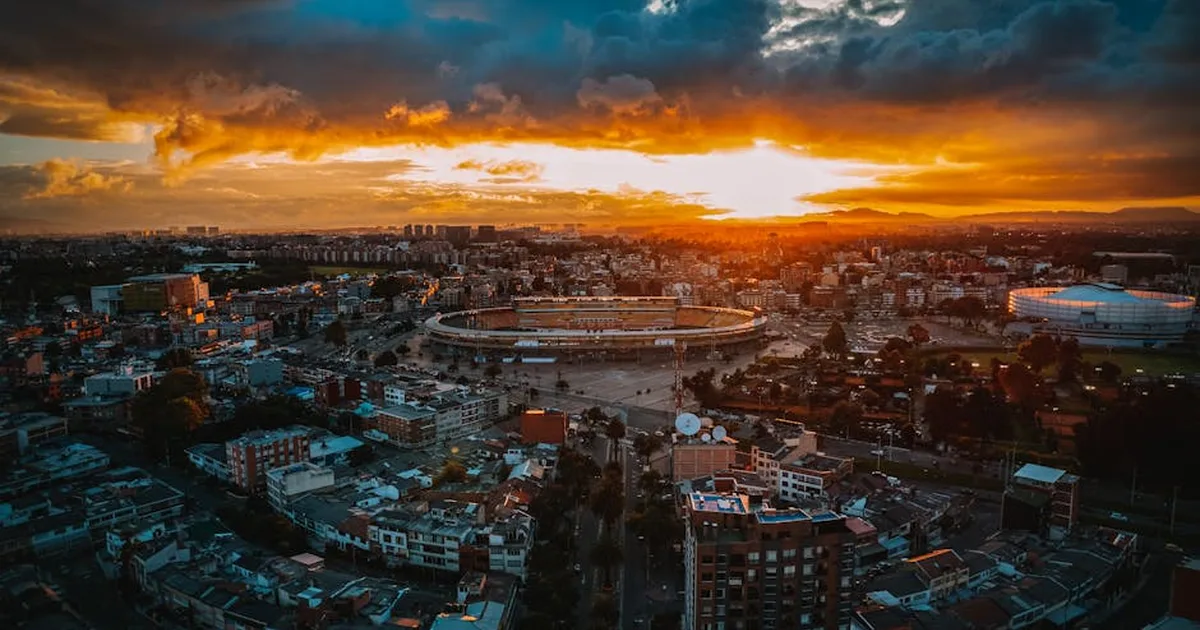
The Scriptures reveal that from earliest times, God has been present in urban contexts. In Genesis, we see how humanity began building cities, and while some like Babel represented human rebellion, others like Jerusalem became places where God manifested His presence in special ways. This tension between the human and divine in urban spaces continues today, and as followers of Christ, we're called to be bridges of reconciliation within it.
When we look around our Latin American cities, we can see unique opportunities to share the Gospel. The cultural diversity, social challenges, and spiritual searching that characterize our urban centers create spaces where Christ's light can shine with particular intensity. It's not just about delivering a message, but about embodying God's love in every interaction, in every neighborhood, in every public space where life unfolds.
Cities in the Biblical Narrative: From Babel to New Jerusalem
The Bible presents a fascinating trajectory when we observe the place of cities in God's redemptive plan. It begins with the Tower of Babel in Genesis 11, where human ambition without God led to confusion, but ends with the glorious vision of New Jerusalem in Revelation 21, where God will dwell forever with His people. Between these two extremes, we find numerous examples of how God used cities to advance His kingdom.
In the book of Acts, we see a clear pattern: the Gospel spread primarily through urban centers. Jerusalem was the starting point, but soon Antioch became a crucial missionary hub. Paul, following the Holy Spirit's guidance, consistently headed to the Roman Empire's major cities, understanding that from these urban centers the message would spread to entire regions. As we read in Acts 19:10 (NIV): "This went on for two years, so that all the Jews and Greeks who lived in the province of Asia heard the word of the Lord."
This principle remains relevant today. When the Gospel takes deep root in a city, its effects extend far beyond geographical boundaries. Cities function as centers of cultural, economic, and social influence, and when Christ transforms lives in these spaces, the impact can reach entire nations. As the church, we need to recover this strategic vision for urban ministry.
Pentecost: A Model for Multicultural Urban Mission
The Pentecost event recorded in Acts 2 offers us a powerful model for mission in our contemporary cities. On that extraordinary day, people from various nations and languages heard the wonders of God in their own tongue. This miracle not only demonstrated the Holy Spirit's power but also anticipated the multicultural reality that characterizes many Latin American cities today.
In our urban centers, people from different cultural backgrounds, religious traditions, and life experiences coexist. Just as at Pentecost, God calls us to communicate His love in ways that transcend cultural and linguistic barriers. Our cities are places where God's Spirit moves among diverse peoples, creating opportunities for genuine connection and transformation. The urban missionary call isn't about imposing a single culture but about allowing the Gospel to take root in every cultural context, just as it did on that first Pentecost when each person heard in their own language.
This approach requires sensitivity, humility, and a willingness to learn from those we serve. It means recognizing that God is already at work in every neighborhood and community, and our role is to join what He's already doing. The urban missionary doesn't bring God to the city but discovers where God is already active and participates in that work. This perspective transforms how we approach ministry, making it less about programs and more about presence, less about projects and more about relationships.
As we engage in urban mission, we remember that our ultimate model is Jesus Himself, who entered our world, took on human flesh, and dwelt among us. He didn't remain distant but immersed Himself in the daily realities of human life. In the same way, urban missionaries are called to incarnational ministry—being fully present in the city's joys and struggles, its celebrations and sorrows. This is how God's kingdom comes to our streets, not as an abstract concept but as tangible love that meets people where they are.





Comments