
In southern Lebanon, where recent clashes have left entire villages in ruins, the small hamlet of Tbenine became the setting for an event many believe is inexplicable. St. George's Church, once a place of peace and prayer, was reduced to rubble: cracked walls, shattered wooden pews, broken glass everywhere. But amid that chaos, Father Elias, returning to the remains of the temple forty-seven days after the last attack, found something that took his breath away: a consecrated host, perfectly intact, on what used to be the altar.
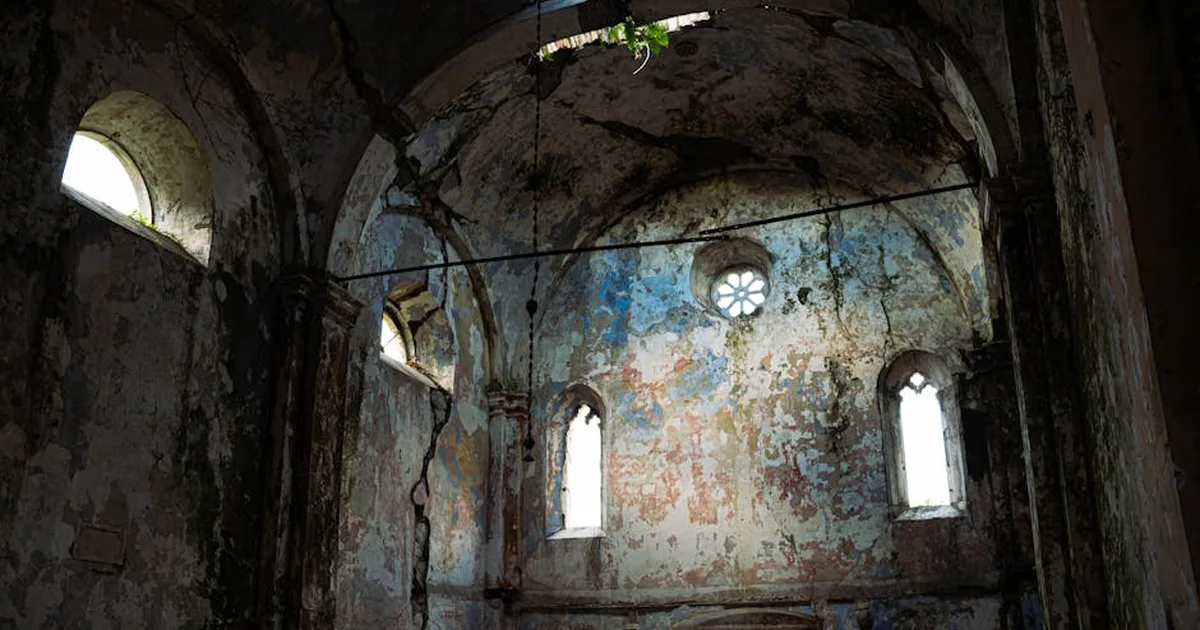
With tears in his eyes, the priest shared that the host showed no sign of decay, despite having been exposed to the elements, dust, and humidity for over a month. For him and the faithful of the community, this was no coincidence, but a powerful reminder that God's presence is not destroyed even in the midst of war.
Such stories not only move local Christians but also invite believers worldwide to reflect on how God reveals Himself in the darkest moments. The Tbenine story is a testimony of faith that transcends borders and denominations.
The Symbolism of the Intact Host in a War Context
For Christians, the consecrated host represents the body of Christ, given for humanity. That it remained intact amid devastation is seen by many as a sign of hope and spiritual resilience. In a country like Lebanon, which has endured decades of conflict, such signs strengthen the faith of those who cling to God in adversity.
The Bible reminds us that God is present even in suffering. In Psalm 46:1 (NIV) we read:
God is our refuge and strength, an ever-present help in trouble.This verse comes alive in the experience of Lebanese Christians, who see in the intact host a confirmation that their faith is not in vain.
The discovery has also raised questions among the faithful: was it a miracle or just a coincidence? For the Tbenine community, the answer is clear. As the apostle Paul says in Romans 8:28 (NIV):
And we know that in all things God works for the good of those who love him, who have been called according to his purpose.Even in destruction, God works for good.
Lessons of Faith for Today's Christian
The story of the intact host is not just a distant tale; it has practical applications for your daily life. Have you been through times when everything seemed to crumble? Perhaps a relationship, a job, or your own health has been affected. In those moments, it's easy to feel that God is absent. But the Tbenine example invites you to look for signs of His presence, however small.
Here are some reflections you can carry with you:
- God does not abandon His temple: Though the physical church was destroyed, God's presence remained. So too, even if your life seems in ruins, God is with you.
- Faith is strengthened in adversity: As gold is purified in fire, your faith can grow when you face trials. James 1:2-4 (NIV) says:
Consider it pure joy, my brothers and sisters, whenever you face trials of many kinds, because you know that the testing of your faith produces perseverance.
- Share your testimony: Father Elias did not keep the discovery to himself; he shared it with his community. Your story of faith can be a beacon of hope for others.
Frequently Asked Questions About the Event
What does it mean that a host remained intact for so long?
For Catholics and many Christians, the host is the Real Presence of Christ. Its preservation is seen as a sign of God's enduring presence and a call to faith. While some may seek scientific explanations, the faithful see it as a miracle that reinforces hope in times of war.





Comments