
In a world shaped by global challenges, the future of international organizations is being questioned. Michel Veuthey, a seasoned diplomat of the Order of Malta, has observed the work of these institutions up close for decades. His criticism of excessive bureaucracy and lack of proximity to affected people is not new, but it is becoming urgent. From a Christian perspective, service to one's neighbor is a central mandate. Jesus Christ himself taught us to see the needs of the weak and oppressed (Matthew 25:35-40). This calling challenges us to critically examine international aid structures and seek more effective ways.
Local Solutions Instead of Centralized Administration
Veuthey emphasizes the importance of local actors and the involvement of those affected. Instead of a top-down approach where decisions are made in distant headquarters, he advocates for a serving role for international organizations. This idea deeply resonates with the biblical understanding of leadership: "Whoever wants to become great among you must be your servant" (Matthew 20:26). Christians are called to serve humbly and listen to the voices of those often overlooked. Practical help on the ground that responds to people's real needs is more sustainable and dignified than standardized aid shipments.
The Danger of Alienation
When international organizations become too bureaucratic, they lose touch with the people they are supposed to help. The Bible warns against an attitude that loses sight of the neighbor: "If anyone has material possessions and sees a brother or sister in need but has no pity on them, how can the love of God be in that person?" (1 John 3:17). Efficiency and administration must not replace mercy. Christian organizations like the Order of Malta or the Red Cross are examples of how faith and practical charity can go hand in hand.
The Future of the International Order
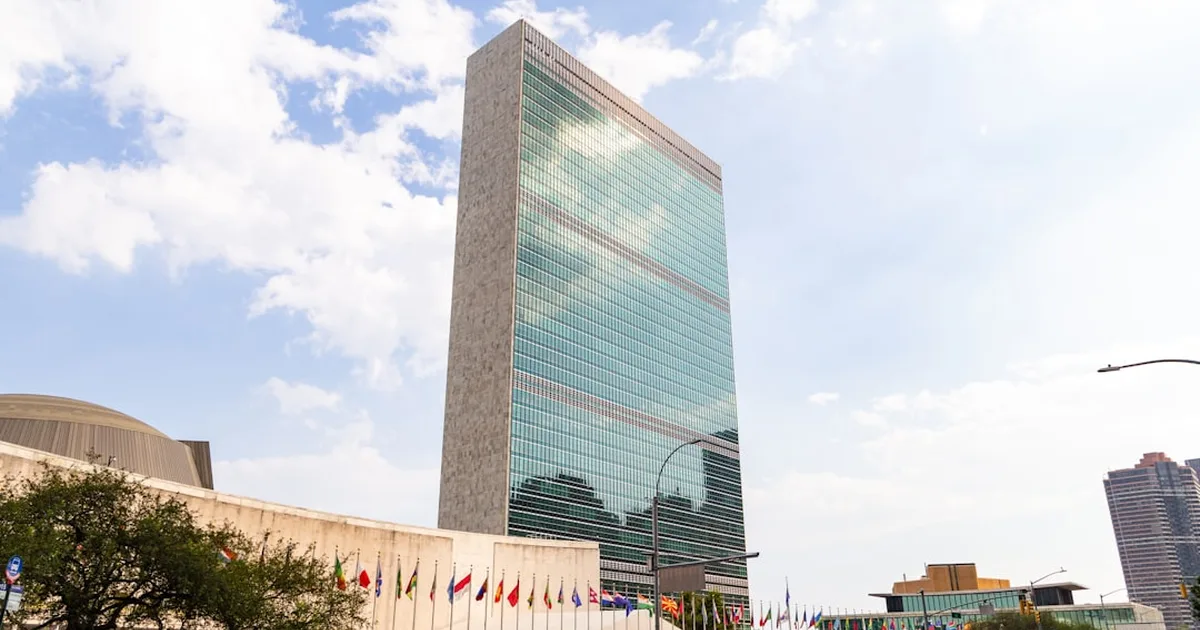
The question of whether the United Nations could one day disappear is not only political but also ethically relevant. As Christians, we believe in a world shaped by God's justice and peace. But human institutions are temporary. The Bible reminds us that our hope rests not on earthly organizations but on the Kingdom of God, which is not of this world (John 18:36). Nevertheless, we are called to work for just structures. Reforms that create more transparency and proximity to citizens are urgently needed.
Veuthey's criticism is a wake-up call. International organizations must change to remain relevant. This includes strengthening local communities and promoting not only material aid but also dignity and self-determination. The Christian message of reconciliation (2 Corinthians 5:18) encourages us to build bridges and resolve conflicts sustainably.
Practical Application for Daily Life
What does this mean for us as individual Christians? We can inform ourselves about which aid organizations truly work in partnership and involve local people. We can pray for those in charge of international organizations, that they may have wisdom and humility (James 3:17). And we can take action ourselves—whether through donations, volunteer work, or advocating for just structures in our community. The remaining question is: how can we help ensure that aid truly reaches people and that they can live with dignity?





Comments