
In a world that often promotes individualism and indifference, Jesus' call resonates with special urgency for our time. This isn't simply one piece of advice among many—it's the very core of our identity as Christ's followers. When the Lord tells us "A new command I give you: Love one another. As I have loved you, so you must love one another" (John 13:34, NIV), He establishes the foundation upon which all Christian life is built.
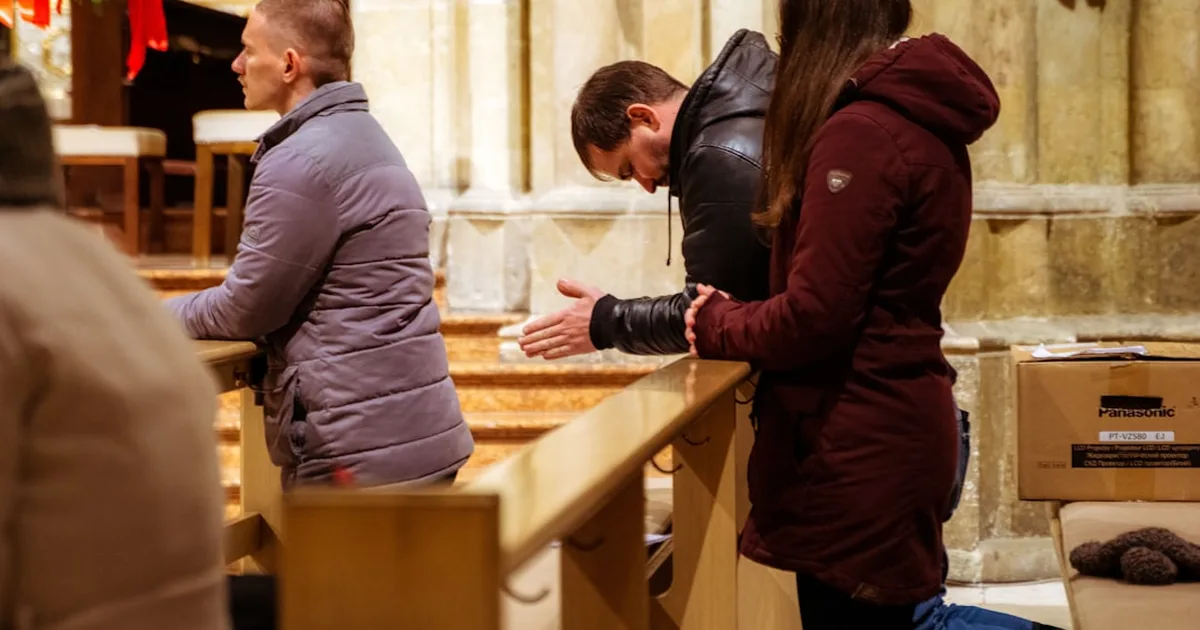
This love Jesus speaks of isn't a passing feeling or superficial emotion. It's a love that translates into concrete actions, gestures of kindness, words of encouragement, and a constant willingness to serve. As the apostle John reminds us in his first letter: "Dear friends, let us love one another, for love comes from God. Everyone who loves has been born of God and knows God" (1 John 4:7, NIV). Love thus becomes the distinguishing mark of those who walk with Christ.
Overcoming the Barriers That Divide Us
In our daily lives, we face numerous situations that can create divisions: misunderstandings, differences of opinion, past hurts, or simply the routine that causes us to neglect our relationships. God's Word invites us to look beyond these difficulties and cultivate an attitude of reconciliation and forgiveness. As Paul wrote to the Colossians: "Therefore, as God's chosen people, holy and dearly loved, clothe yourselves with compassion, kindness, humility, gentleness and patience. Bear with each other and forgive one another if any of you has a grievance against someone" (Colossians 3:12-13, NIV).
Forgiveness doesn't mean ignoring pain or validating injustice, but freeing ourselves from the weight of resentment that prevents us from loving freely. When we hold grudges, we build walls that isolate us from others and, paradoxically, also distance us from the fullness God desires for us. Forgiving is an act of faith that trusts God can heal our wounds and transform even the most difficult situations.
Humility as the Path to Unity
One of the greatest obstacles to living in community is pride. When we consider ourselves superior to others or insist on always being right, we close doors to dialogue and mutual understanding. Humility, on the contrary, allows us to recognize our own fragility and value each person's dignity, regardless of their mistakes or limitations.
Jesus gave us the supreme example of humility when, being God, He made Himself a servant of all. Philippians 2:3-4 exhorts us: "Do nothing out of selfish ambition or vain conceit. Rather, in humility value others above yourselves, not looking to your own interests but each of you to the interests of the others" (NIV). This attitude radically transforms our relationships and creates an environment where love can flourish.
Concrete Practices to Cultivate Brotherly Love
Christian love needs to express itself in concrete gestures that strengthen our community bonds. It's not enough to feel affection for others; we must translate that feeling into actions that demonstrate our commitment to their wellbeing. James' letter reminds us: "What good is it, my brothers and sisters, if someone claims to have faith but has no deeds? Can such faith save them? Suppose a brother or a sister is without clothes and daily food. If one of you says to them, 'Go in peace; keep warm and well fed,' but does nothing about their physical needs, what good is it? In the same way, faith by itself, if it is not accompanied by action, is dead" (James 2:14-17, NIV).
We can begin with small actions that make a big difference: listening attentively to someone who needs to be heard, offering practical help to those going through difficult times, praying for our community members, and celebrating each other's joys and successes. These gestures, though simple, build bridges of trust and solidarity that reflect God's love in our midst.
As we navigate the challenges of our time, including the recent transition in Church leadership from Pope Francis to Pope Leo XIV, we're reminded that Christian community transcends any single individual or moment. The love Christ commands us to practice is what truly unites us across generations and circumstances. When we commit to loving one another as Jesus loved us, we participate in God's transformative work in our world—building communities where grace, forgiveness, and genuine care become tangible realities for all who seek Christ.





Comments