
In a world that shifts beneath our feet, the image of the Good Shepherd remains a steady anchor of hope. Jesus said, "I am the good shepherd; I know my sheep and my sheep know me" (John 10:14, NIV). This is more than a beautiful metaphor—it's a deep invitation into a personal relationship with God. As the Church navigates new waters, with the recent passing of Pope Francis and the election of Pope Leo XIV, the message of the Good Shepherd resonates with fresh urgency. How can we, as a faith community, live this truth in our daily lives?
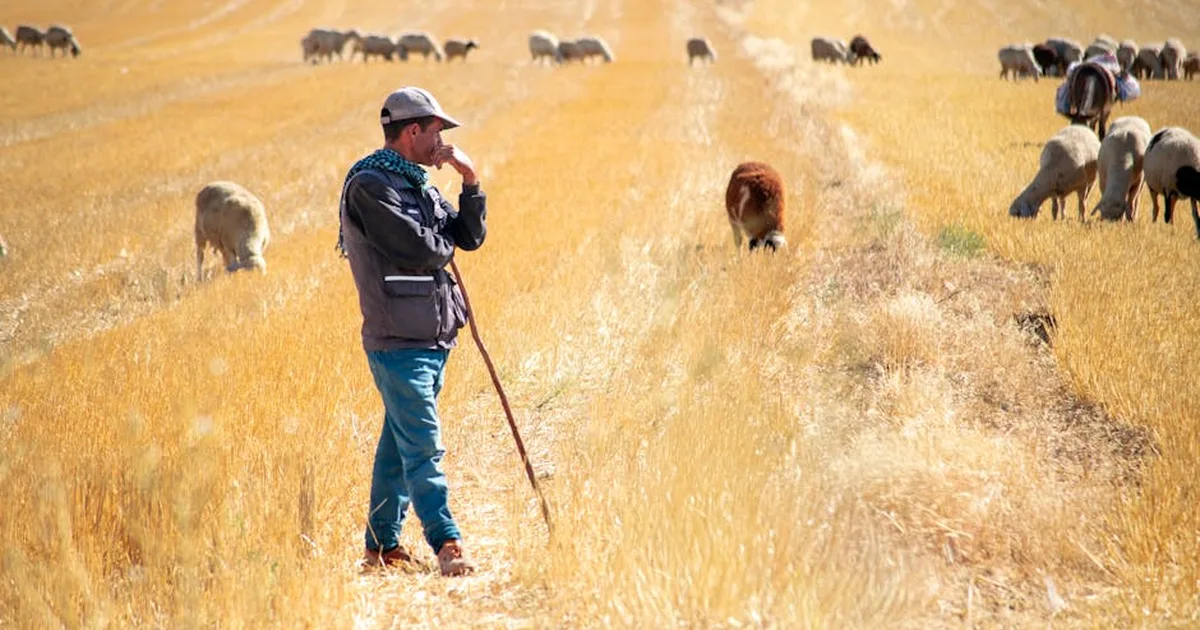
The shepherd tending his flock was a familiar image to ancient Israel. In the Old Testament, God is described as the Shepherd of Israel (Psalm 80:1). Jesus takes this image and applies it to himself, revealing his compassionate heart and desire to guide us. But there's more: He knows us. Not just our names, but our struggles, joys, and deepest needs. And he invites us to know him—not as a piece of information, but as a life-changing experience.
In Christian tradition, Good Shepherd Sunday is a time to reflect on Christ's call to follow him. It's a day to remember that though human leaders come and go, the true Shepherd remains. The Church, in its pilgrimage, has always found comfort in these words, especially in times of transition. As Christians, we are called to trust that Jesus still leads his flock, even when we don't fully understand the path.
Knowing and Being Known: The Heart of Relationship with God
Jesus emphasizes the mutual knowledge between him and his sheep. This knowledge goes beyond information; it is intimate and personal. In biblical culture, "to know" implies a close relationship, like that between a husband and wife (Genesis 4:1). In the same way, Jesus desires deep communion with us. He has known us since before the foundation of the world (Ephesians 1:4), and he longs for us to know him in return.
But how can we know Jesus better? The answer lies in spending time with him through prayer, reading Scripture, and participating in the faith community. The Bible tells us, "Come near to God and he will come near to you" (James 4:8, NIV). This drawing near is not a one-time event but an ongoing process. Just as sheep recognize their shepherd's voice, we can learn to discern God's voice amidst the noise of the world.
Moreover, being known by Jesus means he understands our weaknesses and strengths. We don't have to hide from him. As Psalm 139:1-3 says, "You have searched me, Lord, and you know me. You know when I sit and when I rise; you perceive my thoughts from afar" (NIV). This truth frees us to be authentic and vulnerable before God, knowing his love for us is unconditional.
The Good Shepherd in Church Life Today
The Church, as the body of Christ, is called to reflect the Good Shepherd's care. This means every believer has a role in shepherding others, not just ordained leaders. The apostle Peter exhorts church elders: "Be shepherds of God's flock that is under your care, watching over them—not because you must, but because you are willing, as God wants you to be" (1 Peter 5:2, NIV). But all Christians can shepherd through love, support, and mutual teaching.
In the current context, with the leadership change in the Catholic Church, it's important to remember that the true Shepherd is Christ. Human leaders are instruments, but they don't replace Jesus. Pope Leo XIV has taken office amid global challenges, and Christians of all traditions are called to pray for him and for the unity of the body of Christ. As we navigate these changes, the Good Shepherd's promise remains: He knows us, and we can know him—a truth that brings peace and direction for every step.





Comments