
We live in an era where constant activity has become our measure of worth. From the moment we wake until we go to bed, we rush from one commitment to another, filling every empty space with more doing, more participating, more showing. This dizzying dynamic envelops us so subtly that we often don't even realize how it has transformed us. The simple act of stopping, even for a few moments, can generate in us a feeling of guilt or of wasting time.
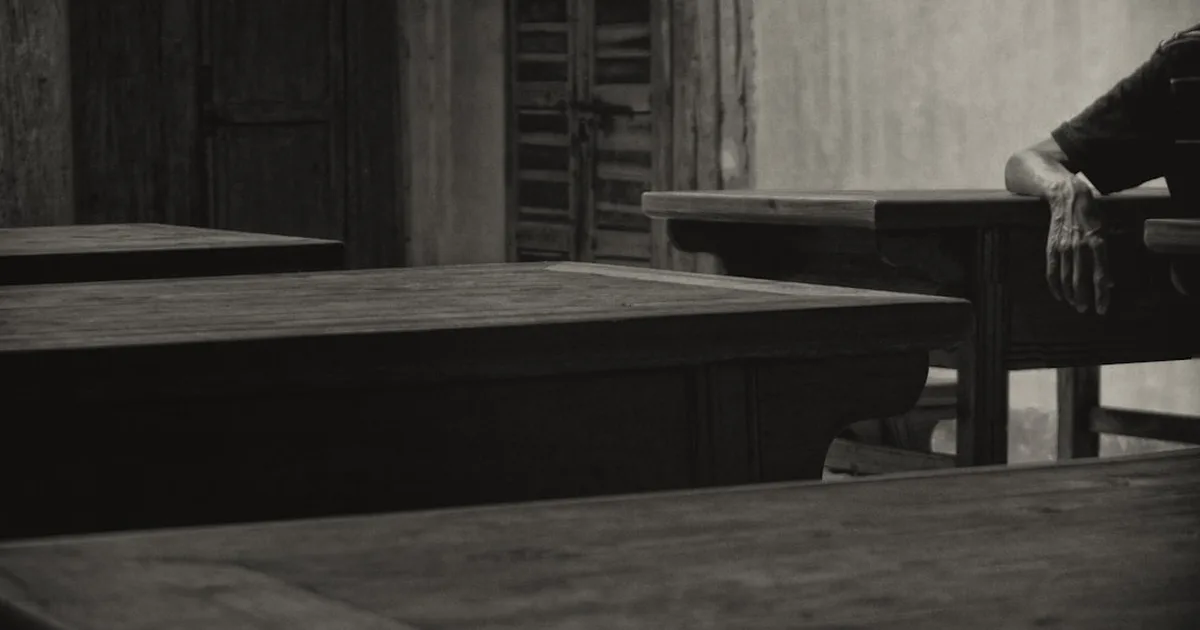
In our current culture, physical presence at events, meetings, and activities has become an almost mandatory requirement. We feel that if we're not present, if we don't appear, if we don't leave a record of our participation, we somehow don't fully exist. This constant need to show ourselves, to display our activity, can gradually pull us away from our true identity in Christ. As the apostle Paul says in Galatians 1:10 (NIV): "Am I now trying to win the approval of human beings, or of God? Or am I trying to please people? If I were still trying to please people, I would not be a servant of Christ."
The Spiritual Value of Withdrawal
Amid this whirlwind of activity, the biblical call to silence and stillness resonates with special force. Jesus himself, despite the crowds that followed him and the constant needs he faced, regularly sought moments of solitude and prayer. Mark 1:35 (NIV) tells us: "Very early in the morning, while it was still dark, Jesus got up, left the house and went off to a solitary place, where he prayed." This example shows us that authentic spiritual life requires spaces of withdrawal, moments where we can hear God's voice above the noise of the world.
The practice of silence is not evasion or spiritual laziness, but an act of deep trust in God. When we stop, we're recognizing that our life doesn't depend solely on our effort, but on divine grace. Psalm 46:10 (NIV) invites us: "Be still, and know that I am God; I will be exalted among the nations, I will be exalted in the earth." This stillness is not passivity, but an active posture of listening and openness to God's action in our lives.
Pope Leo XIV's Testimony on Contemplation
In his first message as Pontiff, Pope Leo XIV placed special emphasis on the need to recover spaces of silence in our spiritual lives. Remembering the words of his predecessor, Pope Francis, who departed to the Father's house in April 2025, he highlighted how contemplation allows us to discover God's presence in the ordinary. This ecumenical perspective unites us as Christians in the search for a more authentic spirituality, less concerned with appearance and more focused on personal relationship with God.
Rediscovering Our Identity in Christ
When our life becomes so filled with external activity that there's no space for inner reflection, we risk losing contact with our true identity. We begin to define ourselves by what we do, by the events we attend, by the photographs we post, rather than by who we are in Christ. God's Word constantly reminds us that our worth doesn't come from our achievements or our visibility, but from being beloved children of God.
Ephesians 2:10 (NIV) offers us a liberating perspective: "For we are God's handiwork, created in Christ Jesus to do good works, which God prepared in advance for us to do." Notice the order: first we are God's handiwork, then we do the works He has prepared. When we invert this order and put works before our identity, we fall into empty activism that can exhaust us without filling us spiritually.
Practical Steps Toward Sacred Silence
Beginning a practice of silence doesn't require dramatic changes. Start with five minutes each morning before checking your phone. Find a quiet corner in your home, close your eyes, and simply breathe. When thoughts come—and they will—gently return your focus to your breathing or to a simple prayer like "Lord, have mercy." The goal isn't emptiness, but creating space for God's presence.
Consider establishing a "digital Sabbath" once a week—a period where you disconnect from screens and notifications. Use this time for prayer, reading Scripture, or simply being present with loved ones. These small acts of resistance against constant noise can become powerful spiritual disciplines that reconnect us with our Creator and with our true selves.





Comments