
In recent years, many Christians have observed a profound change in the shape of the Church. External structures are crumbling, membership numbers are declining, and yet something unexpected is happening: a quiet renewal, often called the "Quiet Revival." But what exactly lies behind this phenomenon? And why does it cause more uncertainty than hope in some people?
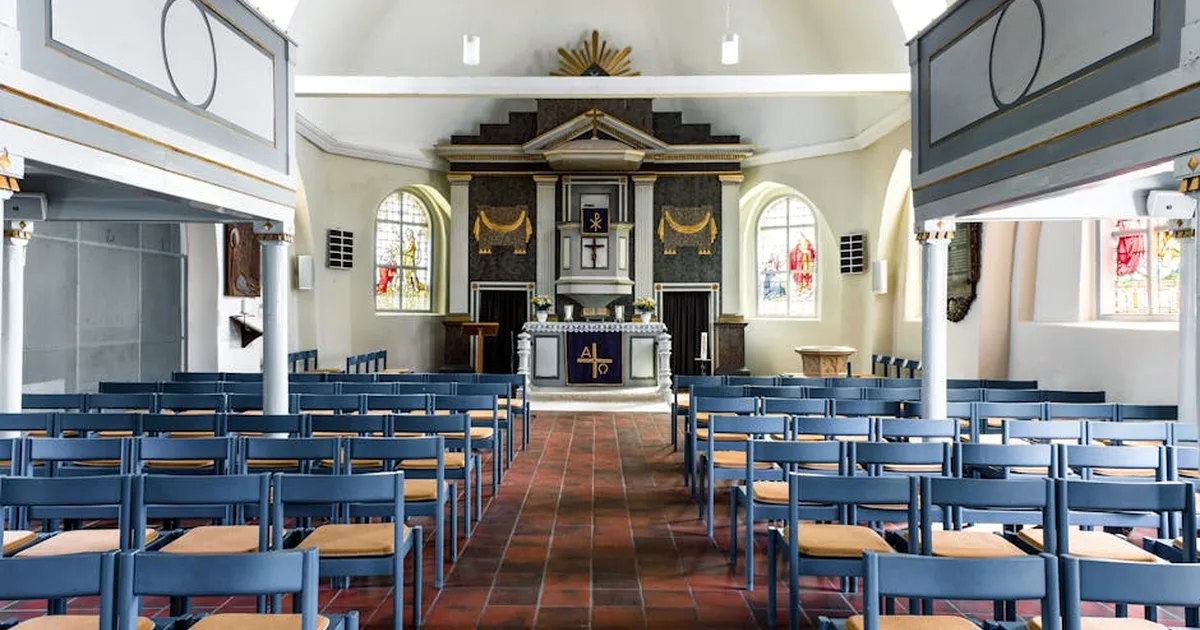
The social form of the Church has always been in flux. From the house churches of the early Christians, through the medieval cathedral, to the modern congregational structure, the face of the community has changed repeatedly. Today we are experiencing an especially rapid change, accelerated by societal upheavals, digitalization, and increasing secularization. Amidst these changes, new, often unspectacular forms of faith and community are emerging.
"Behold, I am making all things new!" (Revelation 21:5, ESV)
What is the "Quiet Revival"?
The term "Quiet Revival" describes a form of spiritual renewal that is not marked by large evangelistic campaigns or spectacular miracle healings, but by a gentle yet persistent movement of the Holy Spirit. It is the quiet conversions, the small prayer groups, the growing longing for authentic community, and the deepened engagement with the Bible that characterize this revival.
In many congregations, the number of adult baptisms is increasing again. People who have been far from the Church for a long time are returning to faith—not through loud sermons, but through personal encounters and the experience of genuine community. Even in countries where church departures are high, there are encouraging signs: in some dioceses, baptism numbers are rising, and new spiritual movements are emerging.
The Role of the Holy Spirit
The Holy Spirit often works in hidden ways. Jesus compared Him to the wind that blows where it wishes, and you hear its sound, but you do not know where it comes from or where it goes (John 3:8). The "Quiet Revival" is such a wind: it is not plannable, not controllable, but it is perceptible. Many Christians report a new depth in prayer, a more intense awareness of God's presence in daily life.
Why Does This Change Cause Uncertainty?
Change is always accompanied by uncertainty. When familiar structures break down, fear arises. Some believers ask themselves: Will the Church survive? What comes after the large established churches? The stillness of the new awakening can be unsettling because it does not bring the expected noise. We are accustomed to measuring success by numbers and visible results. A quiet revival, however, eludes that logic.
But the Bible teaches us that God often acts in stillness. The prophet Elijah experienced God not in the storm or the earthquake, but in a "gentle whisper" (1 Kings 19:12). Perhaps this is the lesson for our time: God is present even in the silence, even when we do not find Him in the big headlines.
Biblical Perspectives on Renewal
Scripture is full of stories of renewal that can guide us. The prophet Ezekiel saw a valley full of dry bones, and God asked him: "Can these bones live?" (Ezekiel 37:3). The answer was a miracle: the Spirit of God breathed life into them. Even if the Church today appears like a field of dry bones, God is able to create new life.
Another example is the story of the raising of Lazarus (John 11). Jesus deliberately waited until the situation seemed hopeless to reveal His glory. Sometimes the old must die so that the new can be born. The





Comments