
The Good Friday vigil is a special moment of silence and prayer observed in many Christian communities worldwide. It commemorates the night when Jesus Christ lay in the tomb after his death on the cross. This time of rest and waiting invites us to contemplate the depth of suffering and the hope of resurrection. In our busy world, the vigil offers a space for reflection that helps us grasp the significance of Jesus' death for our faith.
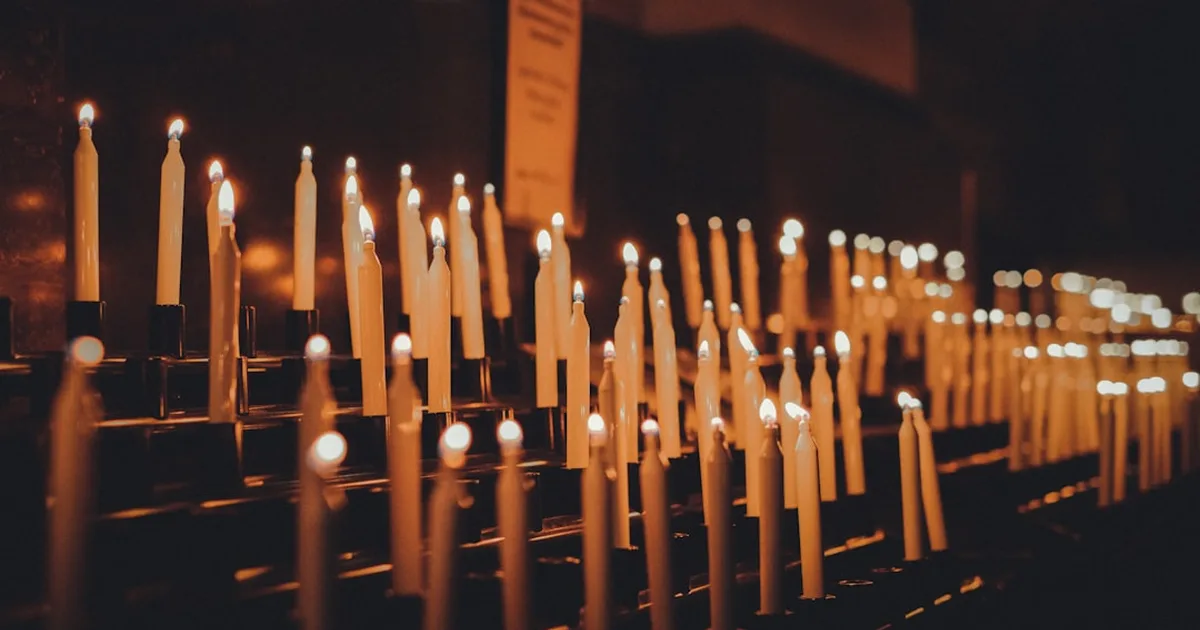
The tradition of the night vigil has its roots in the early church, where believers spent the night before Easter in prayer and Scripture reading. Today, it is often observed on the night of Maundy Thursday into Good Friday or on Good Friday itself. It is a time for inner examination, asking: What does Christ's sacrifice mean for my life? How can I hear God's voice in the silence?
Biblical Foundations for Silence and Watching
Scripture repeatedly calls us to silence and watchfulness. In Psalm 46:10 we read, "Be still, and know that I am God" (NIV). This call to quietness before God is especially relevant during the Passion season. Jesus himself often withdrew to lonely places to pray (Luke 5:16). On the Mount of Olives, he asked his disciples, "Watch and pray so that you will not fall into temptation" (Matthew 26:41, NIV).
The Good Friday vigil takes up these biblical themes. It is a conscious imitation of the disciples, who failed in Jesus' hour of death but are called to repentance. In the silence of the night, we can recognize our own weakness and realign ourselves with God's faithfulness. The apostle Paul encourages us: "For we know that our old self was crucified with him so that the body ruled by sin might be done away with, that we should no longer be slaves to sin" (Romans 6:6, NIV).
Practical Ways to Observe a Good Friday Vigil
A Good Friday vigil can be organized in various ways. Many churches offer a meditative service with candlelight, music, and silence. Others reflect on a Scripture passage, such as the Passion story from Mark or John. It is important that the space of silence is not filled with many words, but that participants have time to go inward. The following elements can be helpful:
- Reading of the Passion story (e.g., Mark 14-15)
- Silent prayer time (10-15 minutes)
- Singing a Passion hymn (e.g., "O Sacred Head, Now Wounded")
- Closing with a blessing
For personal devotion at home, you can light a candle, open the Bible, and meditate on a verse. An example is Isaiah 53:5: "But he was pierced for our transgressions, he was crushed for our iniquities; the punishment that brought us peace was on him, and by his wounds we are healed" (NIV).
The Theological Depth of Silence
The silence of the Good Friday vigil is not empty but filled with God's presence. It reminds us that God is with us in the darkest hours of our lives. Jesus cried out on the cross, "My God, my God, why have you forsaken me?" (Matthew 27:46, NIV). Yet precisely in this abandonment, the deepest communion with the Father is revealed. Silence is a space where we can bring our questions and doubts before God.
Theologian Karl Barth once said, "Silence is the place where God speaks." In the night vigil, we can learn to listen to God's still voice, which brings us comfort and hope. It is a preparation for Easter joy, for without the cross there is no resurrection. As Paul writes, "Now if we died with Christ, we believe that we will also live with him" (Romans 6:8, NIV).





Comments