
The story of the Emmaus disciples, as told in Luke's Gospel, is one of the most moving accounts in the Bible. Two disciples set out on the road to Emmaus after the events in Jerusalem. They are disappointed, confused, and full of doubts. Their Master has died, their hopes are shattered. In this situation of despair, something extraordinary happens: a stranger joins them and begins to talk with them. What appears to be a chance encounter on the road turns out to be a profound experience of God.
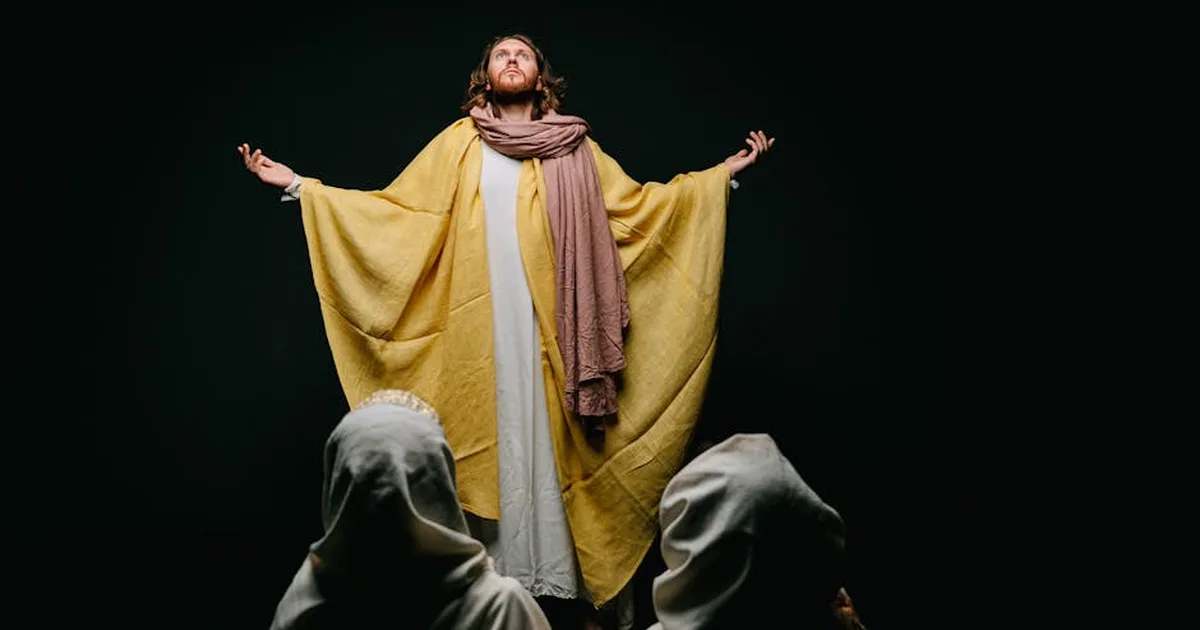
This biblical narrative shows us how Christ meets people in their everyday lives. Not in spectacular miracles or overwhelming visions, but in simple conversation, in walking together. The disciples don't recognize Jesus at first—a detail many believers may recognize from their own experience. Often we recognize God's work only in hindsight, when we look back and understand that He was already with us.
From Doubt to Recognition
The Emmaus story describes a process of recognition that unfolds in three stages. First, the phase of unknowing: the disciples see Jesus, but they don't recognize Him. Then comes the phase of understanding: Jesus explains the Scriptures to them, "And beginning with Moses and all the Prophets, he explained to them what was said in all the Scriptures concerning himself" (Luke 24:27, NIV). Finally comes the moment of recognition: "When he was at the table with them, he took bread, gave thanks, broke it and began to give it to them. Then their eyes were opened and they recognized him" (Luke 24:30-31, NIV).
This process is significant for our own faith journey. We often go through similar phases: times of darkness and lack of understanding, moments of learning and illumination through God's Word, and finally moments of clear recognition when we feel God's presence. The story encourages us to be patient with our doubts and open to the ways God wants to speak to us.
The Role of Holy Scripture
A central element of the Emmaus narrative is the explanation of Scripture. Jesus Himself becomes the teacher who helps the disciples understand events in their deeper meaning. This reminds us of the importance of regular Bible study and spiritual companionship. As Scripture says: "And beginning with Moses and all the Prophets, he explained to them what was said in all the Scriptures concerning himself" (Luke 24:27, ESV).
The explanation of Scripture here doesn't happen in an academic sense, but as a living conversation that arises from the disciples' concrete life questions. They ask about the meaning of what happened, and Jesus responds by showing them how everything fits into God's plan of salvation. This connection between life's questions and the biblical message remains an essential aspect of Christian spirituality.
The Eucharist as a Place of Recognition
The climax of the Emmaus story is the breaking of bread. In this simple yet deeply symbolic act, the disciples finally recognize who their companion is. This reminds us of the central importance of the Eucharist in Christian life. In sharing the bread, communion becomes experiential—not just among the people at the table, but with Christ Himself.
The breaking of bread at Emmaus points beyond the concrete situation to the regular celebration of the Lord's Supper in the Christian community. It reminds us that Christ is present in the sacraments and gives Himself to us. As Paul writes: "The cup of blessing that we bless, is it not a participation in the blood of Christ? The bread that we break, is it not a participation in the body of Christ?" (1 Corinthians 10:16, ESV).
Practical Application for Our Faith Journey
The Emmaus story invites us to look for Christ in our daily lives. Amid our routines, worries, and joys, God walks with us. Sometimes we recognize Him clearly, other times His presence is revealed only with time. What matters is keeping our hearts open and attentive to the moments when He manifests Himself, whether in reading the Bible, in prayer, in community, or in simple gestures of love and service. Every encounter with Christ, however small it may seem, transforms our journey and renews our hope.





Comments