
In these times when political news often dominates the headlines, it's important to remember the spiritual foundations that guide our Christian faith. Recently, we've seen how some public statements have sparked conversations about Church leadership. As a community of believers, we know that the election of the Pope is a deeply spiritual process that transcends any human or political influence.
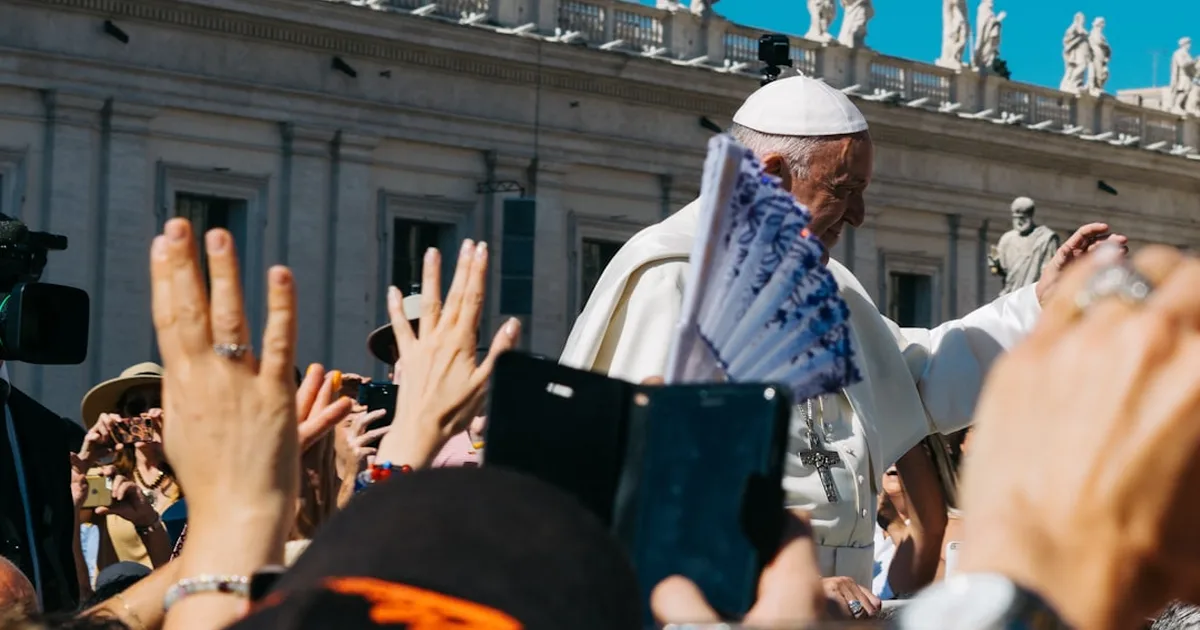
Catholic tradition teaches us that the cardinals, gathered in conclave, seek to discern God's will through prayer and dialogue. This sacred process reflects Jesus' words to Peter: "You are Peter, and on this rock I will build my church" (Matthew 16:18, NIV). Spiritual authority doesn't come from earthly recognition but from divine calling.
In our daily lives, we can learn from this example. Just as the Church seeks the Holy Spirit's guidance in important moments, we too can cultivate spaces of silence and prayer when facing significant decisions. Faith invites us to trust that God acts in history, even when we don't fully understand His ways.
The Pope's Pastoral Role in Today's World
Pope León XIV, as Peter's successor, has a mission that goes beyond any political boundaries. His primary calling is to be a universal shepherd, guiding the Church toward greater unity and witnessing Christ's love to all peoples. In a world marked by divisions and conflicts, his voice seeks to be a bridge of reconciliation.
Jesus' teachings constantly remind us of our vocation to peace: "Blessed are the peacemakers, for they will be called children of God" (Matthew 5:9, NIV). The Pope's ministry, like that of every Christian, is called to build bridges where there are walls, to sow hope where there is discouragement, and to remember our common humanity before God.
In practice, this means that as believers we're invited to support peace efforts in our local communities. Whether through respectful dialogue with those who think differently, collaboration in community projects, or simply cultivating a welcoming attitude toward strangers, every small gesture contributes to building God's kingdom here on earth.
National Responsibilities and Christian Vocation
Scripture offers us profound insight into the role of earthly authorities. The apostle Paul reminds us: "Let everyone be subject to the governing authorities, for there is no authority except that which God has established" (Romans 13:1, NIV). This teaching doesn't mean blind obedience, but rather recognition that all authority has responsibility before God and before the people it serves.
In today's global context, where nations have unprecedented capacity to influence human wellbeing, ethical reflection becomes more urgent than ever. As Christians, we're called to pray for our leaders and to participate responsibly in public life, always guided by Gospel values: justice, mercy, and humility.
World peace isn't just the absence of conflict, but the active presence of justice. The prophet Micah gives us a clear horizon: "He has shown you, O mortal, what is good. And what does the Lord require of you? To act justly and to love mercy and to walk humbly with your God" (Micah 6:8, NIV). This call resonates for both individuals and nations.
Our Response as a Faith Community
Faced with news that may generate concern or division, our response as Christians must be rooted in hope. The history of the Church shows us that, through the centuries, God's faithfulness has sustained His people through times of trial. Our unity as believers doesn't come from political agreement, but from our shared baptism and common commitment to follow Christ.
In practical terms, this means cultivating spiritual practices that ground us in what's essential: regular prayer, participation in the sacraments, study of Scripture, and service to those in need. When we're anchored in these foundations, we can engage with current events with wisdom and charity, without being swept away by fear or polarization.
The Christian vision of politics isn't about taking sides in partisan debates, but about bringing Gospel values into every sphere of society. As Pope León XIV reminds us in his teachings, our faith calls us to be builders of communion, even—and especially—when differences seem insurmountable. This isn't naive optimism, but hope based on the resurrection of Christ, who conquered even death itself.





Comments